Give a Gift
 Previous
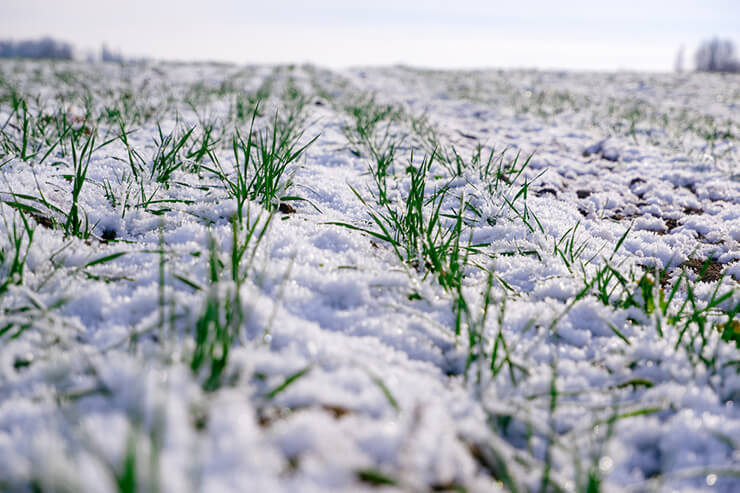
The garden may look quiet under its blanket of snow or mulch, but don’t be fooled—your soil is still alive. Earthworms burrow deeper, microbes slow but don’t stop, and the roots of cover crops or perennials continue their unseen work. Winter is not just downtime; it’s the soil’s season of restoration.
For gardeners, winter is a gift. It’s a chance to pause, protect, and plan for the year ahead.
Rest: Let Soil Recharge
- Leave mulch in place: A thick blanket of straw, shredded leaves, or wood chips protects soil from erosion and temperature swings.
- Living roots matter: Cover crops or overwintering vegetables like garlic and kale keep biology active through the cold.
- Hands off wet soil: Avoid working beds when frozen or soggy—compaction now lingers into spring.
As Emma from Vermont says:
“I used to see snow as a nuisance. Now I see it as insulation—a quilt that keeps my soil cozy.”
Reflect: Learn from the Season
Winter is the gardener’s notebook time. Pull out last year’s soil tests, yield records, and mental notes.
- Which beds thrived?
- Which struggled?
- Did your compost system keep up with demand?
- Were cover crops managed on time?
Answering these questions shapes your spring amendments.
Rebuild: Quiet Soil Projects for Winter
Even when the garden sleeps, you can work on your soil indirectly.
- Make compost: Keep kitchen scraps going; frozen piles come back to life in spring.
- Collect leaves: Bagged leaves from neighbors can be shredded into mulch or leaf mold.
- Build biochar: Winter bonfires of pruned branches can be quenched to create biochar—store it until spring.
- Repair beds & paths: Winter is perfect for fixing raised bed frames, expanding compost bins, or adding mulch to muddy paths.
Winter by Zone
- Cold zones (3–5): Snow cover is protection. Focus on indoor projects—seed starting, compost planning, gathering amendments.
- Moderate zones (6–8): Beds rarely freeze solid; winter greens or cover crops keep soil biology active. Top off mulch as it settles.
- Warm zones (9–12): Winter is prime growing season. Soil may need frequent feeding—compost teas and side-dressings—to keep up with crops.
Containers & Raised Beds in Winter
- Containers: Store under cover or mulch heavily to prevent freeze-thaw cycles that damage soil. Empty small pots and refresh soil in early spring.
- Raised beds: Add a thick mulch layer (4–6 inches). If soil drops, top with compost before mulching.
Common Winter Soil Mistakes
- Leaving soil bare → Wind and water strip away fertility.
- Forgetting mulch → Roots and microbes suffer without protection.
- Compacting soil → Walking on frozen beds crushes structure.
A Gardener’s Reflection
Winter soil care is more about trust than action. You trust the mulch to protect, the cover crops to feed, and the microbes to endure. Meanwhile, you rest, reflect, and dream of the season to come.
As Harold from Montana put it:
“In winter, I don’t see an empty garden. I see a promise under the snow.”
Key Takeaway: Winter is the soil’s season of rest. Protect it with mulch, feed it with cover crops, and use the time to reflect and prepare. By spring, both you and your soil will be ready to wake refreshed.