×
  • Home
  • Daily
    • Buyers Guides
    • Composting
    • Container Gardening
    • Easy Healthy Recipes
    • Food Preservation
    • Garden Design
    • Garden Tools
    • Gardening LIfe
      • Animals in the Garden
      • Funny Business
      • Gardening History
      • Gardening Humor
      • Gardening Mishaps
      • Gardening Poems
      • Gardening Romance
      • Gardening Science
      • Gardening with Kids
      • Healing Gardens
      • Joy of Gardening
      • Mystical Gardens
      • Ornamental Gardening
    • Growing Fruits & Berries
    • Indoor Gardening
    • Pests & Diseases
    • Seeds & Seedlings
    • Soil & Fertilizer
    • Spice & Herb Gardening
    • Vegetable Gardening
    • Watering & Irrigation
  • Freebies
  • Videos
  • Libraries
    • Food Gardening Magazine
    • GreenPrints Magazine
    • RecipeLion Magazine
    • GuideBooks
    • Cookbooks
      • Beverages
      • Bakery
      • Breakfast
      • Appetizers
      • Salads & Dressings
      • Soups
      • Entrées
      • Side Dishes & Sauces
      • Desserts
    • Story Collections
    • StoryBooks
    • Recipe Collections
  • Kits
    • Garden Calendars
    • Garden Plans
    • Recipe Cards
    • Greeting Cards
    • ArtPrints
  • Book Club
  • About Us
  • Contact Us
  • Affiliate Program
  • Sponsor Program
  • Give a Gift
  • Privacy Policy & Terms of Use
  • Authors
  • GreenPrints Writer’s Guidelines
  • Keyword Index
  • Join
Crochet, Food Gardening, Knitting, Quilting, Rug Hooking, Sewing

Food Gardener's Book Club

Give a GiftJoin
Visit Our Amazon Store!
  • Daily
    • Buyers Guides
    • Composting
    • Container Gardening
    • Easy Healthy Recipes
    • Food Preservation
    • Garden Design
    • Garden Tools
    • Gardening Life
      • Animals in the Garden
      • Funny Business
      • Gardening History
      • Gardening Humor
      • Gardening Mishaps
      • Gardening Poems
      • Gardening Romance
      • Gardening Science
      • Gardening with Kids
      • Healing Gardens
      • Joy of Gardening
      • Mystical Gardens
      • Ornamental Gardening
    • Growing Fruits & Berries
    • Indoor Gardening
    • Pests & Diseases
    • Seeds & Seedlings
    • Soil & Fertilizer
    • Spice & Herb Gardening
    • Vegetable Gardening
    • Watering & Irrigation
  • Freebies
  • Videos
  • Libraries
    • Food Gardening Magazine
    • GreenPrints Magazine
    • RecipeLion Magazine
    • GuideBooks
    • Cookbooks
      • Beverages
      • Bakery
      • Breakfast
      • Appetizers
      • Salads & Dressings
      • Soups
      • Entrées
      • Side Dishes & Sauces
      • Desserts
    • Story Collections
    • StoryBooks
    • Recipe Collections
  • Kits
    • Garden Calendars
    • Garden Plans
    • Recipe Cards
    • Greeting Cards
    • ArtPrints
  • Book Club
  • Visit Our Amazon Store!|
  • Sign In
  • Search

Soil Care in Warm & Tropical Climates (Zones 9–12)

Book Club: Soil Care Secrets A to Z

arrow-left Previous
Next arrow-right

Soil Care in Warm & Tropical Climates (Zones 9–12)

By Don Nicholas

In Zones 9–12, the growing season hardly ever ends. You can harvest greens in January, tomatoes in March, and papayas or citrus almost year-round. But while the climate seems like a gardener’s dream, the soil in these zones faces its own challenges: intense heat, rapid nutrient loss, heavy rains (or none at all), and sometimes sandy or depleted ground.

Here, soil care isn’t just about fertility—it’s about keeping soil alive and protected under extreme conditions.

Spring: Early and Often

  • Start early: Warm soils mean you can plant weeks before northern gardeners.
  • Compost boost: Add rich compost before planting heavy feeders like tomatoes, peppers, and melons.
  • Mineral balance: Sandy soils often lack micronutrients—add kelp meal or rock dust.
  • pH check: Some tropical soils trend alkaline, while coastal sands can be acidic. Adjust as needed.

“My tomatoes in Zone 10 only took off once I added rock dust. Turns out the sand just didn’t have the minerals they craved.” —Carlos, Florida

Summer: Shield and Sustain

Summer is often the hardest season on soil in hot zones. Heat, drought, or torrential rains can strip fertility fast.

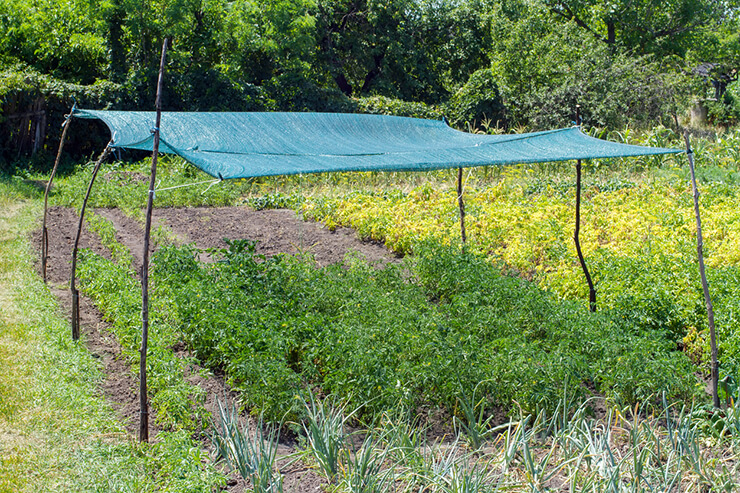
  • Mulch deeply: 4–6 inches of straw, leaves, or wood chips to buffer soil from heat and evaporation.
  • Cover crops for shade: Cowpeas, buckwheat, or sunn hemp protect the soil from baking.
  • Biochar: Helps sandy soils hold water and nutrients—charge it first with compost tea.
  • Irrigation care: Drip irrigation or soaker hoses prevent salt buildup from frequent watering.

Fall: Second Season

Unlike northern zones, fall in warm climates is prime planting time.

  • Recharge beds with compost after summer heat.
  • Cool-season crops (lettuce, broccoli, spinach, carrots) thrive in fall and winter when soil is milder.
  • Rotate families: Don’t follow summer’s tomatoes with fall’s peppers—give soil a break with legumes or leafy greens.

Winter: Productive or Protective

  • Productive winters (Zones 9–10): Grow cool-weather crops—soil biology stays active.
  • Protective winters (Zones 11–12): Heavy rains can leach nutrients—cover crops like clover or vetch hold soil in place and feed it.
  • Tropical zones: Use perennial groundcovers (peanuts, pigeon peas) to protect soil year-round.

Special Soil Challenges in Warm Zones

  • Nutrient leaching: Frequent rain washes fertility away. Combat with organic matter, mulch, and cover crops.
  • Heat stress: Bare soil can exceed 120°F, killing microbes. Always keep soil covered.
  • Salinity: Coastal or irrigated soils may build up salts; flush with deep watering.
  • Low organic matter: Sandy soils decompose OM quickly—replenish constantly with compost and mulch.

Crops That Love Warm-Zone Soils

  • Citrus & avocados: Thrive in sandy loam with steady organic feeding.
  • Sweet potatoes: Flourish in loose, sandy soils.
  • Okra, peppers, eggplant: Heat-loving crops that thrive with steady compost.
  • Tropical fruits (bananas, papayas, mangos): Require rich, consistently moist soil with heavy mulching.

Raised Beds & Containers in Warm Zones

  • Raised beds heat quickly—great for early crops, but mulch heavily in summer.
  • Containers dry out fast; use moisture-retentive mixes with compost and coir.
  • Consider self-watering containers to keep soil evenly moist in hot spells.

A Gardener’s Reflection

Warm-climate soils are both a blessing and a responsibility. They let you grow nearly year-round, but only if you protect them from burning out. Think of your soil as an athlete—it can perform at a high level, but it needs constant hydration, steady nutrition, and regular rest.

As Maya from Texas says:

“In my Zone 9 garden, the soil never sleeps—but neither can I. Mulch and compost are my best friends.”

Key Takeaway: In warm and tropical climates, soil care means constant replenishment, deep mulching, and smart rotation. Protect soil from heat and heavy rain, feed it with organic matter, and it will reward you with harvests all year long.


arrow-left Previous
Next arrow-right

Tags

kelp meal, mulch and compost, tomatoes

Comments

Click here to cancel reply.

Leave a Reply Cancel reply

Your email address will not be published. Required fields are marked *

TABLE OF CONTENTS

  • Healthy Soil for a Bountiful Harvest
  • What Is Soil, Really?
  • Why Healthy Soil Means Healthy Food
  • The A-to-Z of Soil Health
  • Testing Your Soil: The Gardener’s Report Card
  • Amending Existing Soil: Fix, Don’t Fight
  • Building Soil from Scratch: Raised Beds and Containers
  • Organic Principles for Food Gardeners
  • In-Ground Gardens: Working with the Soil You’ve Got
  • Raised Beds: Soil Layering, Refreshing, and Renewal
  • Containers: Small Spaces, Big Potential
  • Herbs: Fragrant and Flavorful in Any Soil
  • Vegetables: Feeding the Family
  • Fruit Trees: Soil for the Long Haul
  • Berries: Sweet Soil Secrets
  • Spring: Waking the Soil
  • Summer: Feeding the Feast
  • Fall: Putting the Garden to Bed
  • Winter: Rest, Reflect, Rebuild
  • Soil Care in Cold Climates (Zones 3–5)
  • Soil Care in Moderate Climates (Zones 6–8)
  • Soil Care in Warm & Tropical Climates (Zones 9–12)
  • Composting A to Z
  • Cover Crops and Green Manure
  • Mulching Matters
  • Crop Rotation and Soil Balance
  • Water, Drainage, and Soil Health
  • Soil pH and Mineral Balance
  • Soil Life and the Food Web
  • Soil Troubleshooting Guide A to Z
  • Putting It All Together — A Year in the Life of Healthy Soil
  • A Gardener’s Promise

Enter Your Log In Credentials

This setting should only be used on your home or work computer.

  • Lost your password? Create New Password
  • No account? Sign up

Need Assistance?

Call Food Gardening Network Customer Service at
(800) 777-2658

Food Gardening Network is an active member of the following industry associations:

  • American Horticultural Society
  • GardenComm Logo
  • GardenComm Laurel Media Award
  • MCMA logo
  • Join Now
  • Learn More
  • About Food Gardening Network
  • Contact Us
  • Affiliate Program
  • Sponsor Program
  • Give a Gift
  • Privacy Policy & Terms of Use
  • Food Gardener’s Book Club FAQ

Food Gardening Network
99 Derby Street, Suite 200
Hingham, MA 02043
support@foodgardening.mequoda.com

To learn more about our Email Marketing and Broadcasting Services, Exchange Program, or to become a marketing partner with any of our publications, click here to contact us at Mequoda Publishing Network.

FREE E-Newsletter for You!

Discover how to grow, harvest, and eat good food from your own garden—with our FREE e-newsletter, delivered directly to your email inbox.

  • Facebook
  • Twitter
  • Instagram
  • Pinterest

Powered by
Mequoda Publishing Network
copyright © 2026 Mequoda Systems, LLC

Food Gardening Network®, Food Gardening Magazine® and GreenPrints® are registered trademarks of Mequoda Systems, LLC.