×
  • Home
  • Daily
    • Buyers Guides
    • Composting
    • Container Gardening
    • Easy Healthy Recipes
    • Food Preservation
    • Garden Design
    • Garden Tools
    • Gardening LIfe
      • Animals in the Garden
      • Funny Business
      • Gardening History
      • Gardening Humor
      • Gardening Mishaps
      • Gardening Poems
      • Gardening Romance
      • Gardening Science
      • Gardening with Kids
      • Healing Gardens
      • Joy of Gardening
      • Mystical Gardens
      • Ornamental Gardening
    • Growing Fruits & Berries
    • Indoor Gardening
    • Pests & Diseases
    • Seeds & Seedlings
    • Soil & Fertilizer
    • Spice & Herb Gardening
    • Vegetable Gardening
    • Watering & Irrigation
  • Freebies
  • Videos
  • Libraries
    • Food Gardening Magazine
    • GreenPrints Magazine
    • RecipeLion Magazine
    • GuideBooks
    • Cookbooks
      • Beverages
      • Bakery
      • Breakfast
      • Appetizers
      • Salads & Dressings
      • Soups
      • Entrées
      • Side Dishes & Sauces
      • Desserts
    • Story Collections
    • StoryBooks
    • Recipe Collections
  • Kits
    • Garden Calendars
    • Garden Plans
    • Recipe Cards
    • Greeting Cards
    • ArtPrints
  • Book Club
  • About Us
  • Contact Us
  • Affiliate Program
  • Sponsor Program
  • Give a Gift
  • Privacy Policy & Terms of Use
  • Authors
  • GreenPrints Writer’s Guidelines
  • Keyword Index
  • Join
Crochet, Food Gardening, Knitting, Quilting, Rug Hooking, Sewing

Food Gardener's Book Club

Give a GiftJoin
Visit Our Amazon Store!
  • Daily
    • Buyers Guides
    • Composting
    • Container Gardening
    • Easy Healthy Recipes
    • Food Preservation
    • Garden Design
    • Garden Tools
    • Gardening Life
      • Animals in the Garden
      • Funny Business
      • Gardening History
      • Gardening Humor
      • Gardening Mishaps
      • Gardening Poems
      • Gardening Romance
      • Gardening Science
      • Gardening with Kids
      • Healing Gardens
      • Joy of Gardening
      • Mystical Gardens
      • Ornamental Gardening
    • Growing Fruits & Berries
    • Indoor Gardening
    • Pests & Diseases
    • Seeds & Seedlings
    • Soil & Fertilizer
    • Spice & Herb Gardening
    • Vegetable Gardening
    • Watering & Irrigation
  • Freebies
  • Videos
  • Libraries
    • Food Gardening Magazine
    • GreenPrints Magazine
    • RecipeLion Magazine
    • GuideBooks
    • Cookbooks
      • Beverages
      • Bakery
      • Breakfast
      • Appetizers
      • Salads & Dressings
      • Soups
      • Entrées
      • Side Dishes & Sauces
      • Desserts
    • Story Collections
    • StoryBooks
    • Recipe Collections
  • Kits
    • Garden Calendars
    • Garden Plans
    • Recipe Cards
    • Greeting Cards
    • ArtPrints
  • Book Club
  • Visit Our Amazon Store!|
  • Sign In
  • Search

Summer: Feeding the Feast

Book Club: Soil Care Secrets A to Z

arrow-left Previous
Next arrow-right

Summer: Feeding the Feast

By Don Nicholas

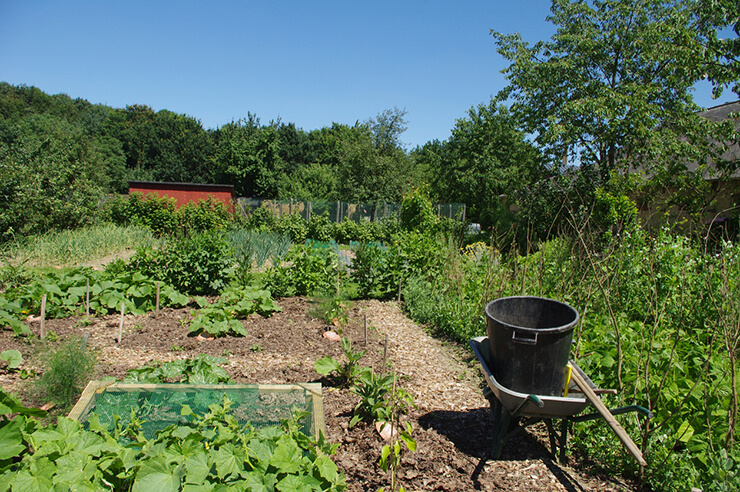
By summer, the garden is in full swing. Tomatoes sprawl across their cages, peppers swell on the stem, beans climb skyward, and zucchini plot to overwhelm you. It’s a season of abundance above ground—but below the surface, your soil is working just as hard.

Plants are hungry in summer. They’re drawing nutrients and water at full speed, and if the soil can’t keep up, you’ll see it in pale leaves, stunted growth, or small harvests. That’s why mid-season soil care is all about feeding and protecting the feast.

Keep the Pantry Stocked: Feeding Soil Mid-Season

Spring compost kickstarts growth, but summer crops often need a little extra.

  • Side-dressing: Sprinkle compost, worm castings, or a balanced organic fertilizer around the base of heavy feeders (tomatoes, corn, squash, brassicas). Scratch in lightly, water well.
  • Compost tea: Brewed from finished compost, it delivers nutrients in a gentle, liquid form that roots and leaves can absorb quickly.
  • Targeted boosters:
  • Tomatoes/peppers → Add lime or crushed eggshells for calcium.
  • Corn → Extra nitrogen (blood meal, alfalfa meal).
  • Root crops → Go light—too much nitrogen makes them leafy, not rooty.

“I give my tomatoes a midsummer compost tea, and it’s like sending them to summer camp. They come back stronger and happier.” —Elaine, Ohio

Mulch: The Summer Lifesaver

Mulch is your soil’s sunscreen and water bottle rolled into one.

  • Benefits: Conserves moisture, suppresses weeds, moderates temperature, and adds organic matter as it breaks down.
  • Best materials: Straw, shredded leaves, grass clippings (in thin layers), or wood chips in paths.
  • Depth: 2–3 inches around vegetables; 4–6 inches around perennials.
  • Pro tip: Keep mulch pulled back an inch from plant stems to prevent rot.

Water Wisely

Summer soil care is also about water management.

  • Deep, infrequent watering encourages roots to grow down, making plants more resilient.
  • Drip irrigation or soaker hoses conserve water and keep leaves dry (reducing disease).
  • Check soil moisture by sticking a finger 2–3 inches deep; if it’s dry, it’s time to water.

Soil Biology in High Gear

Warm temperatures turbocharge microbial activity. You can support it by:

  • Adding compost teas or diluted fish/seaweed emulsions.
  • Keeping soil covered (mulch + plants). Bare soil bakes and loses life.
  • Interplanting quick-growing crops (radishes, lettuce) to shade soil between larger plants.

Managing Soil Stress

Summer stress shows up not just in gardeners but in soil. Watch for these signs:

  • Crusty soil surface → Loosen gently with a rake or add mulch.
  • Compacted paths → Fork-aerate lightly, or lay down more mulch to protect.
  • Salt buildup in containers → Flush with deep watering to leach excess.
  • Nutrient imbalance → Rotate crops and side-dress to restore balance.

Summer Soil for Raised Beds & Containers

  • Raised beds: By midsummer, soil can sink or compact—top up with compost.
  • Containers: Nutrients leach quickly; fertilize lightly every 2–3 weeks with compost tea or liquid kelp. Refresh mulch on top to slow evaporation.

Zone-by-Zone Tips

  • Hot/Dry zones (8–12): Add extra mulch, use shade cloth during heatwaves, and water early morning.
  • Cooler zones (3–5): Watch for late-season nitrogen fade; side-dress long-season crops like cabbage.
  • Moderate zones (6–7): Keep rotation in mind—after early peas or lettuce, amend soil and plant a second crop.

A Gardener’s Reflection

Summer soil care is less about rebuilding and more about maintaining balance. Feed steadily, cover generously, and water wisely, and your soil will keep pace with your plants.

As Marcus from Arizona said:

“The day I realized mulch was as important as water, my garden stopped being a struggle. Now I mulch like my harvest depends on it—because it does.”

Key Takeaway: In summer, soil is working overtime. Support it with mid-season feeding, steady mulching, and smart watering. Protect the soil now, and it will repay you with a feast of vegetables, herbs, and fruits.


arrow-left Previous
Next arrow-right

Tags

balanced organic fertilizer, beans, compost tea, corn, fertilizer, organic fertilizer, peas, peppers, tomatoes, zucchini

Comments

Click here to cancel reply.

Leave a Reply Cancel reply

Your email address will not be published. Required fields are marked *

TABLE OF CONTENTS

  • Healthy Soil for a Bountiful Harvest
  • What Is Soil, Really?
  • Why Healthy Soil Means Healthy Food
  • The A-to-Z of Soil Health
  • Testing Your Soil: The Gardener’s Report Card
  • Amending Existing Soil: Fix, Don’t Fight
  • Building Soil from Scratch: Raised Beds and Containers
  • Organic Principles for Food Gardeners
  • In-Ground Gardens: Working with the Soil You’ve Got
  • Raised Beds: Soil Layering, Refreshing, and Renewal
  • Containers: Small Spaces, Big Potential
  • Herbs: Fragrant and Flavorful in Any Soil
  • Vegetables: Feeding the Family
  • Fruit Trees: Soil for the Long Haul
  • Berries: Sweet Soil Secrets
  • Spring: Waking the Soil
  • Summer: Feeding the Feast
  • Fall: Putting the Garden to Bed
  • Winter: Rest, Reflect, Rebuild
  • Soil Care in Cold Climates (Zones 3–5)
  • Soil Care in Moderate Climates (Zones 6–8)
  • Soil Care in Warm & Tropical Climates (Zones 9–12)
  • Composting A to Z
  • Cover Crops and Green Manure
  • Mulching Matters
  • Crop Rotation and Soil Balance
  • Water, Drainage, and Soil Health
  • Soil pH and Mineral Balance
  • Soil Life and the Food Web
  • Soil Troubleshooting Guide A to Z
  • Putting It All Together — A Year in the Life of Healthy Soil
  • A Gardener’s Promise

Enter Your Log In Credentials

This setting should only be used on your home or work computer.

  • Lost your password? Create New Password
  • No account? Sign up

Need Assistance?

Call Food Gardening Network Customer Service at
(800) 777-2658

Food Gardening Network is an active member of the following industry associations:

  • American Horticultural Society
  • GardenComm Logo
  • GardenComm Laurel Media Award
  • MCMA logo
  • Join Now
  • Learn More
  • About Food Gardening Network
  • Contact Us
  • Affiliate Program
  • Sponsor Program
  • Give a Gift
  • Privacy Policy & Terms of Use
  • Food Gardener’s Book Club FAQ

Food Gardening Network
99 Derby Street, Suite 200
Hingham, MA 02043
support@foodgardening.mequoda.com

To learn more about our Email Marketing and Broadcasting Services, Exchange Program, or to become a marketing partner with any of our publications, click here to contact us at Mequoda Publishing Network.

FREE E-Newsletter for You!

Discover how to grow, harvest, and eat good food from your own garden—with our FREE e-newsletter, delivered directly to your email inbox.

  • Facebook
  • Twitter
  • Instagram
  • Pinterest

Powered by
Mequoda Publishing Network
copyright © 2026 Mequoda Systems, LLC

Food Gardening Network®, Food Gardening Magazine® and GreenPrints® are registered trademarks of Mequoda Systems, LLC.