×
  • Home
  • Daily
    • Buyers Guides
    • Composting
    • Container Gardening
    • Easy Healthy Recipes
    • Food Preservation
    • Garden Design
    • Garden Tools
    • Gardening LIfe
      • Animals in the Garden
      • Funny Business
      • Gardening History
      • Gardening Humor
      • Gardening Mishaps
      • Gardening Poems
      • Gardening Romance
      • Gardening Science
      • Gardening with Kids
      • Healing Gardens
      • Joy of Gardening
      • Mystical Gardens
      • Ornamental Gardening
    • Growing Fruits & Berries
    • Indoor Gardening
    • Pests & Diseases
    • Seeds & Seedlings
    • Soil & Fertilizer
    • Spice & Herb Gardening
    • Vegetable Gardening
    • Watering & Irrigation
  • Freebies
  • Videos
  • Libraries
    • Food Gardening Magazine
    • GreenPrints Magazine
    • RecipeLion Magazine
    • GuideBooks
    • Cookbooks
      • Beverages
      • Bakery
      • Breakfast
      • Appetizers
      • Salads & Dressings
      • Soups
      • Entrées
      • Side Dishes & Sauces
      • Desserts
    • Story Collections
    • StoryBooks
    • Recipe Collections
  • Kits
    • Garden Calendars
    • Garden Plans
    • Recipe Cards
    • Greeting Cards
    • ArtPrints
  • Book Club
  • About Us
  • Contact Us
  • Affiliate Program
  • Sponsor Program
  • Give a Gift
  • Privacy Policy & Terms of Use
  • Authors
  • GreenPrints Writer’s Guidelines
  • Keyword Index
  • Join
Crochet, Food Gardening, Knitting, Quilting, Rug Hooking, Sewing

Food Gardener's Book Club

Give a GiftJoin
Visit Our Amazon Store!
  • Daily
    • Buyers Guides
    • Composting
    • Container Gardening
    • Easy Healthy Recipes
    • Food Preservation
    • Garden Design
    • Garden Tools
    • Gardening Life
      • Animals in the Garden
      • Funny Business
      • Gardening History
      • Gardening Humor
      • Gardening Mishaps
      • Gardening Poems
      • Gardening Romance
      • Gardening Science
      • Gardening with Kids
      • Healing Gardens
      • Joy of Gardening
      • Mystical Gardens
      • Ornamental Gardening
    • Growing Fruits & Berries
    • Indoor Gardening
    • Pests & Diseases
    • Seeds & Seedlings
    • Soil & Fertilizer
    • Spice & Herb Gardening
    • Vegetable Gardening
    • Watering & Irrigation
  • Freebies
  • Videos
  • Libraries
    • Food Gardening Magazine
    • GreenPrints Magazine
    • RecipeLion Magazine
    • GuideBooks
    • Cookbooks
      • Beverages
      • Bakery
      • Breakfast
      • Appetizers
      • Salads & Dressings
      • Soups
      • Entrées
      • Side Dishes & Sauces
      • Desserts
    • Story Collections
    • StoryBooks
    • Recipe Collections
  • Kits
    • Garden Calendars
    • Garden Plans
    • Recipe Cards
    • Greeting Cards
    • ArtPrints
  • Book Club
  • Visit Our Amazon Store!|
  • Sign In
  • Search

Composting A to Z

Book Club: Soil Care Secrets A to Z

arrow-left Previous
Next arrow-right

Composting A to Z

By Don Nicholas


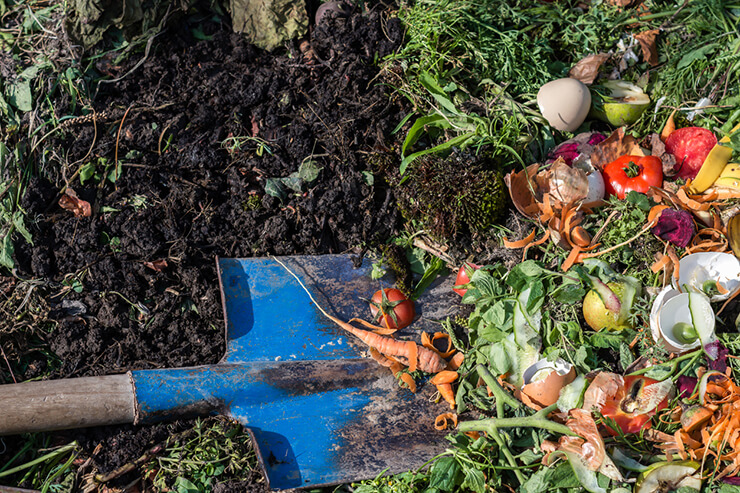
If healthy soil is the foundation of food gardening, compost is the mortar that holds it together. Compost feeds the microbes, balances nutrients, improves structure, and turns yesterday’s kitchen scraps into tomorrow’s harvest. In short: compost is the gardener’s gold.

And the best part? You can make it yourself. No store-bought bag can match the satisfaction—or the soil life—that comes from homegrown compost.

Why Compost Matters

  • Nutrient-rich: Supplies nitrogen, phosphorus, potassium, and micronutrients in slow-release form.
  • Structure-builder: Loosens clay, anchors sand, and balances silty soils.
  • Water manager: Holds moisture in dry spells and improves drainage in wet ones.
  • Microbial booster: Adds beneficial bacteria and fungi to jump-start soil biology.

“Once I started composting, I noticed my soil smelled different—richer, almost sweet. My plants seemed to notice too.” —Henry, Illinois

The Composting Basics: Browns & Greens

Compost is about balance. The two main ingredients are:

  • Greens (nitrogen-rich): Fruit & veggie scraps, coffee grounds, grass clippings, garden trimmings.
  • Browns (carbon-rich): Dry leaves, straw, cardboard, shredded paper, wood chips.

Rule of Thumb: Aim for roughly 2 parts browns to 1 part greens. Too many greens = smelly pile. Too many browns = slow decomposition.

Building the Pile

  1. Choose your spot: Shady, well-drained, easy to access.
  2. Layer it up: Start with browns, add greens, repeat.
  3. Moisture check: Pile should feel like a wrung-out sponge.
  4. Turn for air: Every 1–2 weeks, flip to mix and oxygenate.

Types of Composting

  • Traditional Pile: Simple, effective, needs turning.
  • Bin Systems: Contained, tidy, easier in small spaces.
  • Tumbler: Convenient for small yards; speeds decomposition.
  • Vermicomposting (worms): Great indoors or year-round; produces nutrient-rich castings.
  • Sheet Composting: Spreading organic matter directly on soil to break down in place.

What to Compost (and What Not To)

Yes:

  • Fruit & veggie scraps
  • Coffee grounds & filters
  • Eggshells
  • Grass clippings (thin layers)
  • Leaves, straw, shredded paper

No:

  • Meat, bones, dairy (attract pests)
  • Diseased plants
  • Weeds with seeds
  • Pet waste

Troubleshooting the Pile

  • Smelly pile → Too many greens. Add browns, turn more often.
  • Dry pile → Add water and more greens.
  • Pile not heating up → Too small or imbalanced. Add greens and turn.
  • Flies/rodents → Bury food scraps deeper, cover with browns.

Composting by the Seasons

  • Spring: Add fresh greens (grass clippings, garden trimmings).
  • Summer: Turn piles often; keep moist during dry spells.
  • Fall: Prime time for browns—collect and shred leaves.
  • Winter: Piles slow down but don’t stop; keep adding scraps and resume turning in spring.

Using Finished Compost

Finished compost should be dark, crumbly, and smell earthy. Use it to:

  • Top-dress garden beds.
  • Mix into raised beds and containers.
  • Brew compost tea for liquid feeding.
  • Mulch around perennials, trees, and berries.

“I call my compost ‘black lasagna.’ Every layer of scraps makes it richer. My tomatoes eat better than I do.” —Nancy, Oregon

A Gardener’s Reflection

Composting isn’t just recycling—it’s transformation. It’s the alchemy that turns banana peels, weeds, and autumn leaves into the food that feeds your food. It closes the loop in the garden, reminding us that nothing is wasted, and everything has value.

Key Takeaway: Compost is the single best amendment you can add to your soil. Balance greens and browns, keep it moist and aerated, and within months you’ll have a soil-builder more valuable than gold


arrow-left Previous
Next arrow-right

Tags

compost tea, composting, finished compost, my soil, tomatoes

Comments

Click here to cancel reply.

Leave a Reply Cancel reply

Your email address will not be published. Required fields are marked *

TABLE OF CONTENTS

  • Healthy Soil for a Bountiful Harvest
  • What Is Soil, Really?
  • Why Healthy Soil Means Healthy Food
  • The A-to-Z of Soil Health
  • Testing Your Soil: The Gardener’s Report Card
  • Amending Existing Soil: Fix, Don’t Fight
  • Building Soil from Scratch: Raised Beds and Containers
  • Organic Principles for Food Gardeners
  • In-Ground Gardens: Working with the Soil You’ve Got
  • Raised Beds: Soil Layering, Refreshing, and Renewal
  • Containers: Small Spaces, Big Potential
  • Herbs: Fragrant and Flavorful in Any Soil
  • Vegetables: Feeding the Family
  • Fruit Trees: Soil for the Long Haul
  • Berries: Sweet Soil Secrets
  • Spring: Waking the Soil
  • Summer: Feeding the Feast
  • Fall: Putting the Garden to Bed
  • Winter: Rest, Reflect, Rebuild
  • Soil Care in Cold Climates (Zones 3–5)
  • Soil Care in Moderate Climates (Zones 6–8)
  • Soil Care in Warm & Tropical Climates (Zones 9–12)
  • Composting A to Z
  • Cover Crops and Green Manure
  • Mulching Matters
  • Crop Rotation and Soil Balance
  • Water, Drainage, and Soil Health
  • Soil pH and Mineral Balance
  • Soil Life and the Food Web
  • Soil Troubleshooting Guide A to Z
  • Putting It All Together — A Year in the Life of Healthy Soil
  • A Gardener’s Promise

Enter Your Log In Credentials

This setting should only be used on your home or work computer.

  • Lost your password? Create New Password
  • No account? Sign up

Need Assistance?

Call Food Gardening Network Customer Service at
(800) 777-2658

Food Gardening Network is an active member of the following industry associations:

  • American Horticultural Society
  • GardenComm Logo
  • GardenComm Laurel Media Award
  • MCMA logo
  • Join Now
  • Learn More
  • About Food Gardening Network
  • Contact Us
  • Affiliate Program
  • Sponsor Program
  • Give a Gift
  • Privacy Policy & Terms of Use
  • Food Gardener’s Book Club FAQ

Food Gardening Network
99 Derby Street, Suite 200
Hingham, MA 02043
support@foodgardening.mequoda.com

To learn more about our Email Marketing and Broadcasting Services, Exchange Program, or to become a marketing partner with any of our publications, click here to contact us at Mequoda Publishing Network.

FREE E-Newsletter for You!

Discover how to grow, harvest, and eat good food from your own garden—with our FREE e-newsletter, delivered directly to your email inbox.

  • Facebook
  • Twitter
  • Instagram
  • Pinterest

Powered by
Mequoda Publishing Network
copyright © 2026 Mequoda Systems, LLC

Food Gardening Network®, Food Gardening Magazine® and GreenPrints® are registered trademarks of Mequoda Systems, LLC.