Give a Gift
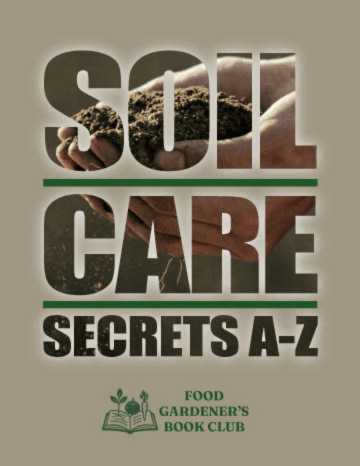
Healthy Soil for a Bountiful Harvest
If you’ve ever come in from the garden with dirt under your fingernails and a smile on your face, you already know this truth: gardening is a partnership. And like all good partnerships, it works best when both sides pull their weight. We gardeners bring the seeds, the water, the care, and sometimes a little… READ MORE
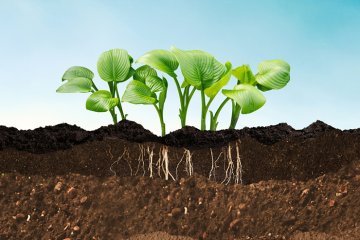
What Is Soil, Really?
When most people hear the word soil, they picture a patch of brown stuff stuck to the bottom of their shoes. Dirt, plain and simple. But as food gardeners, we quickly learn that soil is far from plain. It’s not just the ground we plant in—it’s the foundation of everything we grow, the quiet partner… READ MORE
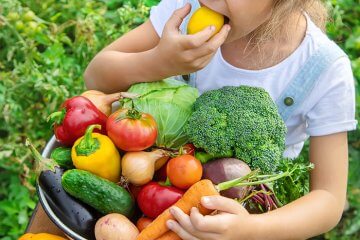
Why Healthy Soil Means Healthy Food
The first bite of a sun-ripened tomato, still warm from the vine, can make you pause mid-chew. It’s juicy, complex, sweet with just the right balance of acidity. Compare that to the pale tomato you might buy at a supermarket in January—mealy, bland, and forgettable—and you start to understand the power of soil. Flavor begins… READ MORE
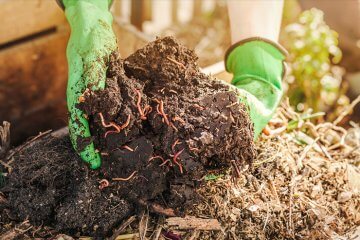
The A-to-Z of Soil Health
Every gardener knows that when you start talking about soil, the conversation quickly fills with words that sound like they came out of a science lab: pH, humus, tilth, mycorrhizae. But don’t worry—soil science doesn’t have to be intimidating. Think of this chapter as your soil dictionary. We’ll take a lighthearted walk from A… READ MORE
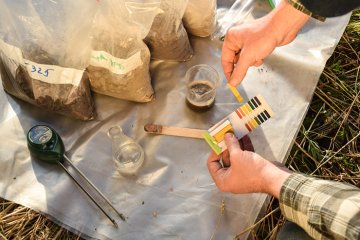
Testing Your Soil: The Gardener’s Report Card
When I was in school, I used to dread report cards. They always told me more about where I had slacked off than where I had succeeded. But as a gardener, I actually look forward to soil report cards. A good soil test doesn’t scold you—it guides you. It shows you what’s working well underground… READ MORE
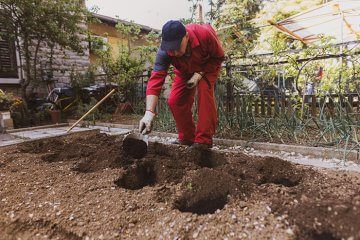
Amending Existing Soil: Fix, Don’t Fight
If there’s one universal truth about gardening, it’s this: none of us start with perfect soil. Maybe yours is sticky clay that clumps on your shovel. Maybe it’s sandy grit that drains water faster than a colander. Or maybe it’s compacted ground that looks more like a parking lot than a vegetable patch. Here’s the… READ MORE
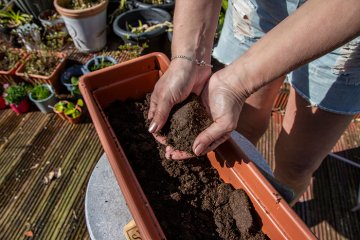
Building Soil from Scratch: Raised Beds and Containers
Sometimes, amending existing soil feels like teaching an old dog new tricks. It can be done, but it takes time, patience, and persistence. For many food gardeners—especially those in urban or suburban areas with poor or contaminated native soil—starting from scratch is the smarter option. Raised beds and containers allow you to build the soil… READ MORE
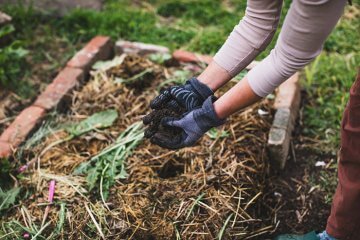
Organic Principles for Food Gardeners
If you’ve ever bitten into a tomato straight from the vine and thought, “This tastes like sunshine,” you’ve already experienced the gift of organic soil care. Food gardeners know that the joy of growing isn’t just about the harvest—it’s about the peace of mind that comes with knowing exactly what went into your soil, your… READ MORE
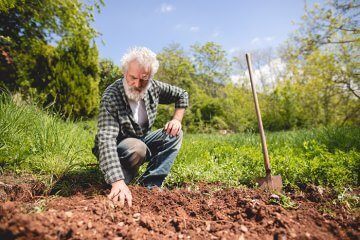
In-Ground Gardens: Working with the Soil You’ve Got
There’s a certain romance to planting straight into the earth—no lumber to buy, no bags to haul, just you, a spade, and the promise of harvest. In-ground food gardens can be wildly productive and resilient, especially when you learn to partner with the soil that’s already there. This chapter shows you how to read it,… READ MORE
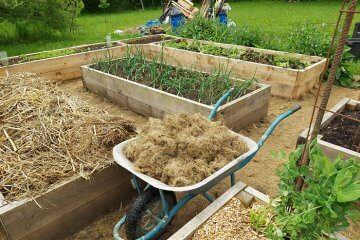
Raised Beds: Soil Layering, Refreshing, and Renewal
Raised beds have become the poster child of modern food gardening—and for good reason. They’re neat, productive, easier on the knees, and they let gardeners sidestep stubborn native soils. But what really makes raised beds shine isn’t the wood, stone, or metal frames. It’s what’s inside them: the soil. If you’ve ever heard a gardener… READ MORE
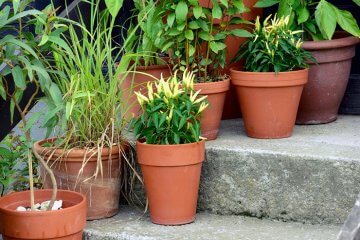
Containers: Small Spaces, Big Potential
Not everyone has a backyard or a patch of land to cultivate, but every gardener has at least one thing in common: a container is always an option. Whether it’s a patio pot of basil, a balcony tomato, or a windowsill full of parsley, container gardening proves that soil can thrive anywhere—even where there isn’t… READ MORE
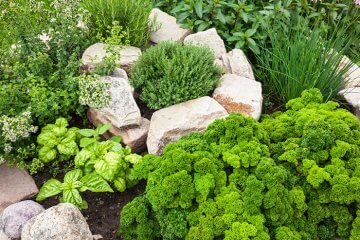
Herbs: Fragrant and Flavorful in Any Soil
Herbs are the gateway crop for many food gardeners. They don’t take much space, they’re forgiving, and they reward you with flavors that transform meals from ordinary to extraordinary. A sprinkle of homegrown basil on pasta, a sprig of rosemary in roasted potatoes, or a handful of mint in iced tea—it’s magic. But here’s the… READ MORE
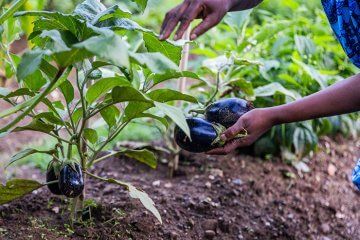
Vegetables: Feeding the Family
If herbs are the seasoning, vegetables are the meal. They’re the backbone of the food garden—the peas in spring, the tomatoes in summer, the kale in fall, and the carrots tucked away for winter soups. But vegetables are also a diverse bunch, and they don’t all want the same soil. Some demand rich, fertile ground;… READ MORE
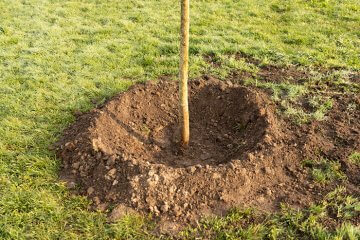
Fruit Trees: Soil for the Long Haul
Planting a fruit tree is an act of hope. Unlike lettuce, which rewards you in weeks, or tomatoes, which fill your baskets in a season, a fruit tree takes years to mature. But once established, it can feed your family for generations. That kind of long-term partnership starts with the soil. When you plant a… READ MORE
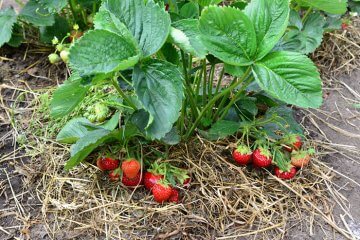
Berries: Sweet Soil Secrets
Few things taste like summer more than a handful of sun-warmed berries. Whether it’s strawberries dipped straight from the patch, raspberries tumbling into morning yogurt, or blueberries staining your fingers, berries are a gardener’s delight. But while they may look delicate above ground, their roots are surprisingly picky below ground. Soil care is the secret… READ MORE
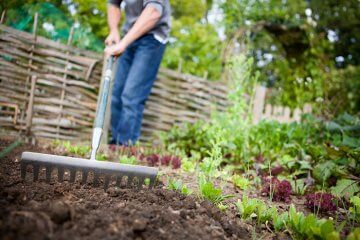
Spring: Waking the Soil
Winter is soil’s season of rest. Beneath the snow or under a blanket of mulch, microbial life slows, roots sleep, and the garden quietly rebuilds itself. But when spring arrives, it’s time to wake the soil gently, feed it, and prepare it for a season of abundance. Think of spring soil care as a gardener’s… READ MORE
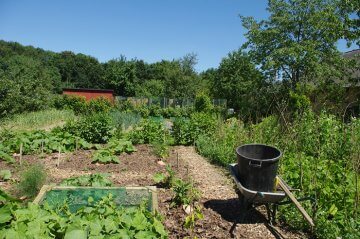
Summer: Feeding the Feast
By summer, the garden is in full swing. Tomatoes sprawl across their cages, peppers swell on the stem, beans climb skyward, and zucchini plot to overwhelm you. It’s a season of abundance above ground—but below the surface, your soil is working just as hard. Plants are hungry in summer. They’re drawing nutrients and water at… READ MORE
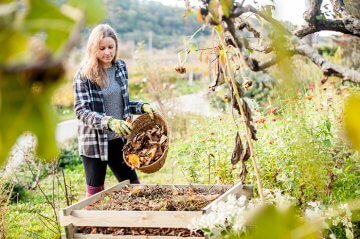
Fall: Putting the Garden to Bed
By the time autumn rolls in, gardeners have baskets of tomatoes, jars of pickles, and maybe a little fatigue in their bones. But while the gardener deserves a rest, the soil deserves a thoughtful send-off. Fall is the season to tuck the garden in, replenish what was taken, and set the stage for next year’s… READ MORE
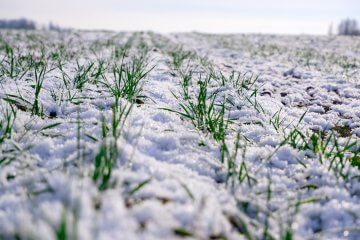
Winter: Rest, Reflect, Rebuild
The garden may look quiet under its blanket of snow or mulch, but don’t be fooled—your soil is still alive. Earthworms burrow deeper, microbes slow but don’t stop, and the roots of cover crops or perennials continue their unseen work. Winter is not just downtime; it’s the soil’s season of restoration. For gardeners, winter is… READ MORE
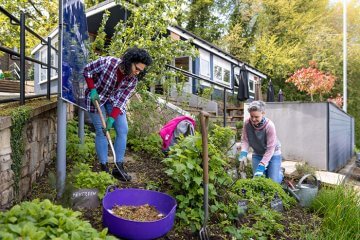
Soil Care in Cold Climates (Zones 3–5)
Gardening in the northern zones is not for the faint of heart. The season is short, the winters are long, and the soil often feels like it has a will of its own. Clay that freezes solid, sandy loam that dries out overnight, or rocky soils that remind you glaciers once passed through—cold-climate gardeners see… READ MORE
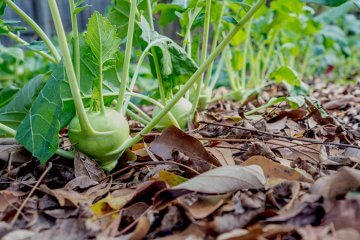
Soil Care in Moderate Climates (Zones 6–8)
For gardeners in Zones 6–8, the soil feels like a gift. Winters are short enough to grow cover crops (or even hardy greens), summers are long enough for tomatoes, peppers, and melons, and the soil itself often seems more forgiving than in northern or southern extremes. But “moderate” doesn’t mean effortless. These zones can experience… READ MORE
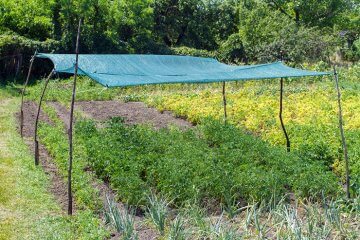
Soil Care in Warm & Tropical Climates (Zones 9–12)
In Zones 9–12, the growing season hardly ever ends. You can harvest greens in January, tomatoes in March, and papayas or citrus almost year-round. But while the climate seems like a gardener’s dream, the soil in these zones faces its own challenges: intense heat, rapid nutrient loss, heavy rains (or none at all), and sometimes… READ MORE
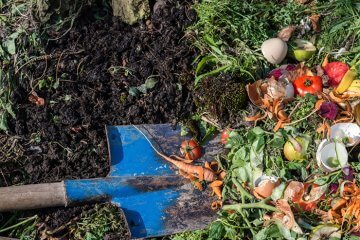
Composting A to Z
If healthy soil is the foundation of food gardening, compost is the mortar that holds it together. Compost feeds the microbes, balances nutrients, improves structure, and turns yesterday’s kitchen scraps into tomorrow’s harvest. In short: compost is the gardener’s gold. And the best part? You can make it yourself. No store-bought bag can match… READ MORE
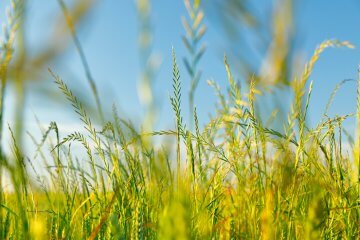
Cover Crops and Green Manure
If compost is the gardener’s black gold, then cover crops are the living green shield of the soil. They keep the earth covered, feed it while they grow, and give it back a feast when they’re turned under or cut down. Known as “green manure,” cover crops are one of the most powerful tools food… READ MORE
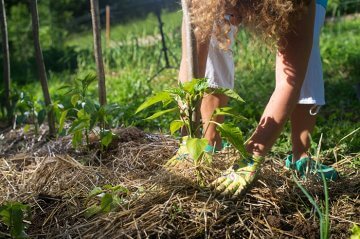
Mulching Matters
Gardeners have many allies, but mulch might be the quietest hero of them all. A good mulch is like a blanket for your soil—it shields it from the weather, conserves moisture, keeps weeds in check, and slowly adds fertility as it breaks down. If cover crops are the garden’s green armor, mulch is the patchwork… READ MORE
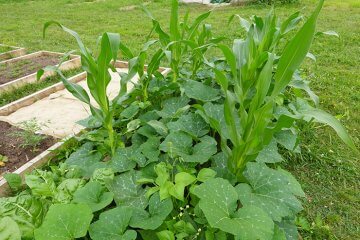
Crop Rotation and Soil Balance
If mulch is the soil’s blanket and cover crops are its armor, then crop rotation is its compass. What you plant—and when—can either drain the soil or restore it. Rotation is the gardener’s way of ensuring balance: feeding different crops in sequence so that no single plant family wears out its welcome or depletes the… READ MORE
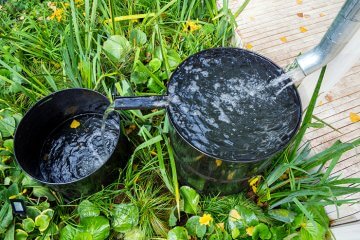
Water, Drainage, and Soil Health
Soil is more than dirt—it’s a living sponge. Too much water and it suffocates, too little and it starves. The art of gardening lies in finding that balance. Managing water wisely is not only about keeping plants alive, but about sustaining the billions of soil organisms that make fertility possible. Why Water Matters to Soil… READ MORE
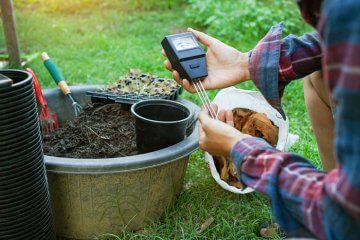
Soil pH and Mineral Balance
If soil is the body of the garden, then pH is its heartbeat. Too acidic, and certain nutrients are locked away. Too alkaline, and others wash through unused. Striking the right balance doesn’t mean chasing a “perfect” number—it means finding the range where your crops thrive and your soil life hums. What Is pH? Definition:… READ MORE
Soil Life and the Food Web
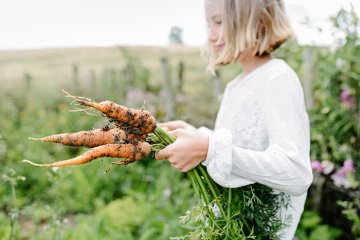
When you dig into soil, you’re not just handling minerals and organic matter—you’re holding a bustling city of life. Bacteria, fungi, protozoa, nematodes, insects, and earthworms are all part of the soil food web, a vast system where energy and nutrients cycle in a delicate balance. Healthy soil isn’t merely fertile; it’s alive. And the… READ MORE
Soil Troubleshooting Guide A to Z
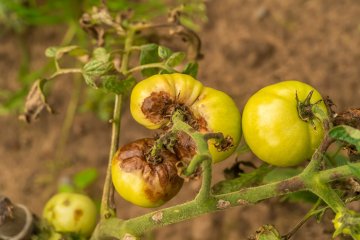
No matter how much love and compost you pour into your garden, soil sometimes misbehaves. Plants look yellow, fruit drops early, or herbs refuse to sprout. The good news? Most of these problems trace back to soil health—and most can be fixed with a thoughtful, organic approach. This A-to-Z guide will help you diagnose common… READ MORE
Putting It All Together — A Year in the Life of Healthy Soil
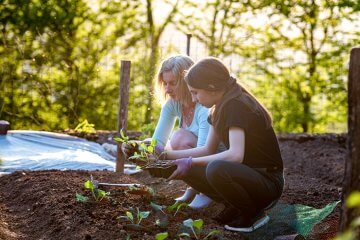
If soil could talk, it would remind us that it doesn’t live by days or hours—it lives by seasons. The rhythm of soil care follows the cycles of growth, rest, and renewal. Whether you’re tending a windowsill herb box, a cluster of raised beds, or a quarter-acre backyard farm, there are patterns that guide soil… READ MORE
A Gardener’s Promise
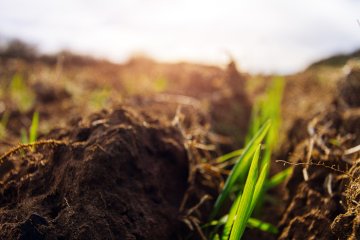
Afterword If you’ve made it this far, you know a secret that many overlook: soil is not just “dirt.” It’s memory, energy, and life itself. It holds the laughter of children pulling carrots, the sweat of farmers bending over fields, and the quiet hum of microbes doing their ancient work unseen. Healthy soil connects us—to… READ MORE
Enter Your Log In Credentials
- Lost your password? Create New Password
- No account? Sign up
Need Assistance?
Call Food Gardening Network Customer Service at
(800) 777-2658
Food Gardening Network is an active member of the following industry associations: