×
  • Home
  • Daily
    • Buyers Guides
    • Composting
    • Container Gardening
    • Easy Healthy Recipes
    • Food Preservation
    • Garden Design
    • Garden Tools
    • Gardening LIfe
      • Animals in the Garden
      • Funny Business
      • Gardening History
      • Gardening Humor
      • Gardening Mishaps
      • Gardening Poems
      • Gardening Romance
      • Gardening Science
      • Gardening with Kids
      • Healing Gardens
      • Joy of Gardening
      • Mystical Gardens
      • Ornamental Gardening
    • Growing Fruits & Berries
    • Indoor Gardening
    • Pests & Diseases
    • Seeds & Seedlings
    • Soil & Fertilizer
    • Spice & Herb Gardening
    • Vegetable Gardening
    • Watering & Irrigation
  • Freebies
  • Videos
  • Libraries
    • Food Gardening Magazine
    • GreenPrints Magazine
    • RecipeLion Magazine
    • GuideBooks
    • Cookbooks
      • Beverages
      • Bakery
      • Breakfast
      • Appetizers
      • Salads & Dressings
      • Soups
      • Entrées
      • Side Dishes & Sauces
      • Desserts
    • Story Collections
    • StoryBooks
    • Recipe Collections
  • Kits
    • Garden Calendars
    • Garden Plans
    • Recipe Cards
    • Greeting Cards
    • ArtPrints
  • Book Club
  • About Us
  • Contact Us
  • Affiliate Program
  • Sponsor Program
  • Give a Gift
  • Privacy Policy & Terms of Use
  • Authors
  • GreenPrints Writer’s Guidelines
  • Keyword Index
  • Join
Crochet, Food Gardening, Knitting, Quilting, Rug Hooking, Sewing

Food Gardener's Book Club

Give a GiftJoin
Visit Our Amazon Store!
  • Daily
    • Buyers Guides
    • Composting
    • Container Gardening
    • Easy Healthy Recipes
    • Food Preservation
    • Garden Design
    • Garden Tools
    • Gardening Life
      • Animals in the Garden
      • Funny Business
      • Gardening History
      • Gardening Humor
      • Gardening Mishaps
      • Gardening Poems
      • Gardening Romance
      • Gardening Science
      • Gardening with Kids
      • Healing Gardens
      • Joy of Gardening
      • Mystical Gardens
      • Ornamental Gardening
    • Growing Fruits & Berries
    • Indoor Gardening
    • Pests & Diseases
    • Seeds & Seedlings
    • Soil & Fertilizer
    • Spice & Herb Gardening
    • Vegetable Gardening
    • Watering & Irrigation
  • Freebies
  • Videos
  • Libraries
    • Food Gardening Magazine
    • GreenPrints Magazine
    • RecipeLion Magazine
    • GuideBooks
    • Cookbooks
      • Beverages
      • Bakery
      • Breakfast
      • Appetizers
      • Salads & Dressings
      • Soups
      • Entrées
      • Side Dishes & Sauces
      • Desserts
    • Story Collections
    • StoryBooks
    • Recipe Collections
  • Kits
    • Garden Calendars
    • Garden Plans
    • Recipe Cards
    • Greeting Cards
    • ArtPrints
  • Book Club
  • Visit Our Amazon Store!|
  • Sign In
  • Search

Berries: Sweet Soil Secrets

Book Club: Soil Care Secrets A to Z

arrow-left Previous
Next arrow-right

Berries: Sweet Soil Secrets

By Don Nicholas

Few things taste like summer more than a handful of sun-warmed berries. Whether it’s strawberries dipped straight from the patch, raspberries tumbling into morning yogurt, or blueberries staining your fingers, berries are a gardener’s delight. But while they may look delicate above ground, their roots are surprisingly picky below ground. Soil care is the secret to plump, sweet, and abundant harvests.

Berry Soil Basics

Most berries need soil that is:

  • Rich in organic matter (compost is a must).
  • Well-drained but consistently moist.
  • Free of weeds—berries hate root competition.
  • Adjusted to the right pH (this varies by berry type).

Soil Preferences by Berry Type

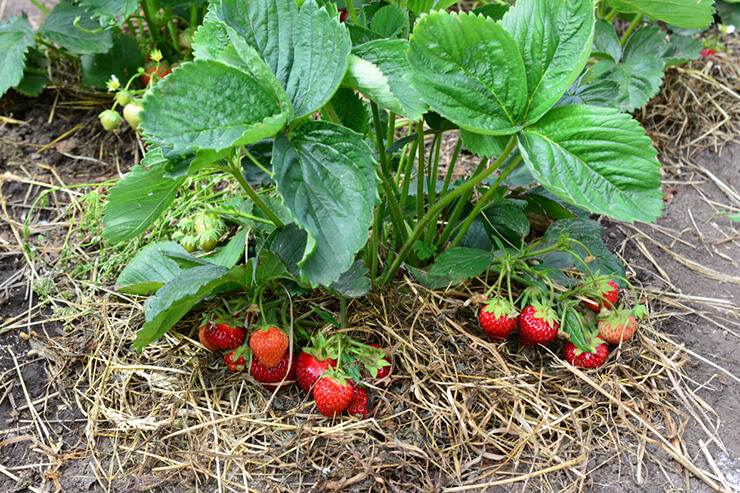
Strawberries

  • Soil: Light loam or sandy loam enriched with compost.
  • pH: 5.8–6.5.
  • Care tips:
  • Plant on raised ridges for drainage.
  • Renew soil fertility every year—strawberries are heavy feeders.
  • Mulch with straw (hence the name!) to keep fruit clean and roots cool.

“The first year I mulched my strawberries with pine needles, the difference was amazing—sweet, clean berries and fewer weeds.” —Lynn, North Carolina

Blueberries

  • Soil: Rich in organic matter, high in peat/coir, acidic.
  • pH: 4.5–5.5 (lower than most garden crops).
  • Care tips:
  • Add elemental sulfur or peat moss to lower pH if needed.
  • Use pine needles, bark mulch, or sawdust to maintain acidity.
  • Never use lime around blueberries—it raises pH too high.
Raspberries & Blackberries (Brambles)

  • Soil: Fertile loam with steady moisture but good drainage.
  • pH: 5.5–6.8.
  • Care tips:
  • Avoid soggy sites; root rot is their #1 enemy.
  • Mulch to reduce weeds and conserve water.
  • Add compost each spring for steady yields.
  • Brambles are perennial in roots but biennial in canes—feed the soil to support this cycle.

Grapes (the honorary berry)

  • Soil: Well-drained, slightly lean soil is best. Grapes don’t like overly rich soil.
  • pH: 5.5–7.0.
  • Care tips:
  • Overly fertile soil makes vines leafy but stingy with fruit.
  • Encourage deep roots by watering deeply and infrequently.
  • Mulch lightly to control weeds, but don’t over-mulch at the crown.

Seasonal Soil Care for Berries

Spring

  • Top-dress beds with compost.
  • Test pH and adjust for blueberries and strawberries.
  • Refresh mulch before weeds wake up.

Summer

  • Maintain steady moisture; berries suffer in drought.
  • Fertilize lightly with organic, balanced feed (too much nitrogen reduces fruit quality).

Fall

  • Add compost around brambles and grapes.
  • Renovate strawberry beds if plants are older than 2–3 years.

Winter

  • Protect soil with mulch—especially for shallow-rooted strawberries.
  • For blueberries, mulch thickly to insulate roots.

Raised Beds & Containers for Berries

  • Strawberries: Perfect for raised beds or containers—easy to refresh soil yearly.
  • Blueberries: Thrive in containers where you can control acidity precisely.
  • Raspberries/Blackberries: Better in ground, but dwarf varieties can succeed in large containers.
  • Grapes: Need deep soil, but can grow in half-barrels with strong support.

Common Berry Soil Problems

  • Pale leaves on blueberries → Soil pH too high; add sulfur or acid mulch.
  • Small, seedy strawberries → Soil fertility too low; add compost before planting.
  • Raspberry dieback → Poor drainage; improve soil or plant on ridges.
  • Leafy grapes, little fruit → Soil too rich; cut back compost and nitrogen.

A Gardener’s Reflection

Berries may demand special attention, but they give back with joy that far outweighs the effort. A patch of strawberries, a row of raspberries, or a cluster of blueberry bushes will quickly become the pride of your garden—and the star of your summer table.

As Naomi from Michigan says:

“My blueberries only thrived once I treated the soil like a recipe—more peat, more pine needles, more patience. Now my grandkids eat them by the handful, and I can’t keep up.”

Key Takeaway: Berries thrive when soil is tailored to their roots—acidic for blueberries, fertile loam for brambles, well-drained sandy loam for strawberries, and leaner soil for grapes. Feed, mulch, and protect their soil, and they’ll sweeten your garden (and your life) for years.


arrow-left Previous
Next arrow-right

Tags

blackberries, blueberries, grapes, raspberries, strawberries, strawberry beds

Comments

Click here to cancel reply.

Leave a Reply Cancel reply

Your email address will not be published. Required fields are marked *

TABLE OF CONTENTS

  • Healthy Soil for a Bountiful Harvest
  • What Is Soil, Really?
  • Why Healthy Soil Means Healthy Food
  • The A-to-Z of Soil Health
  • Testing Your Soil: The Gardener’s Report Card
  • Amending Existing Soil: Fix, Don’t Fight
  • Building Soil from Scratch: Raised Beds and Containers
  • Organic Principles for Food Gardeners
  • In-Ground Gardens: Working with the Soil You’ve Got
  • Raised Beds: Soil Layering, Refreshing, and Renewal
  • Containers: Small Spaces, Big Potential
  • Herbs: Fragrant and Flavorful in Any Soil
  • Vegetables: Feeding the Family
  • Fruit Trees: Soil for the Long Haul
  • Berries: Sweet Soil Secrets
  • Spring: Waking the Soil
  • Summer: Feeding the Feast
  • Fall: Putting the Garden to Bed
  • Winter: Rest, Reflect, Rebuild
  • Soil Care in Cold Climates (Zones 3–5)
  • Soil Care in Moderate Climates (Zones 6–8)
  • Soil Care in Warm & Tropical Climates (Zones 9–12)
  • Composting A to Z
  • Cover Crops and Green Manure
  • Mulching Matters
  • Crop Rotation and Soil Balance
  • Water, Drainage, and Soil Health
  • Soil pH and Mineral Balance
  • Soil Life and the Food Web
  • Soil Troubleshooting Guide A to Z
  • Putting It All Together — A Year in the Life of Healthy Soil
  • A Gardener’s Promise

Enter Your Log In Credentials

This setting should only be used on your home or work computer.

  • Lost your password? Create New Password
  • No account? Sign up

Need Assistance?

Call Food Gardening Network Customer Service at
(800) 777-2658

Food Gardening Network is an active member of the following industry associations:

  • American Horticultural Society
  • GardenComm Logo
  • GardenComm Laurel Media Award
  • MCMA logo
  • Join Now
  • Learn More
  • About Food Gardening Network
  • Contact Us
  • Affiliate Program
  • Sponsor Program
  • Give a Gift
  • Privacy Policy & Terms of Use
  • Food Gardener’s Book Club FAQ

Food Gardening Network
99 Derby Street, Suite 200
Hingham, MA 02043
support@foodgardening.mequoda.com

To learn more about our Email Marketing and Broadcasting Services, Exchange Program, or to become a marketing partner with any of our publications, click here to contact us at Mequoda Publishing Network.

FREE E-Newsletter for You!

Discover how to grow, harvest, and eat good food from your own garden—with our FREE e-newsletter, delivered directly to your email inbox.

  • Facebook
  • Twitter
  • Instagram
  • Pinterest

Powered by
Mequoda Publishing Network
copyright © 2026 Mequoda Systems, LLC

Food Gardening Network®, Food Gardening Magazine® and GreenPrints® are registered trademarks of Mequoda Systems, LLC.