×
  • Home
  • Daily
    • Buyers Guides
    • Composting
    • Container Gardening
    • Easy Healthy Recipes
    • Food Preservation
    • Garden Design
    • Garden Tools
    • Gardening LIfe
      • Animals in the Garden
      • Funny Business
      • Gardening History
      • Gardening Humor
      • Gardening Mishaps
      • Gardening Poems
      • Gardening Romance
      • Gardening Science
      • Gardening with Kids
      • Healing Gardens
      • Joy of Gardening
      • Mystical Gardens
      • Ornamental Gardening
    • Growing Fruits & Berries
    • Indoor Gardening
    • Pests & Diseases
    • Seeds & Seedlings
    • Soil & Fertilizer
    • Spice & Herb Gardening
    • Vegetable Gardening
    • Watering & Irrigation
  • Freebies
  • Videos
  • Libraries
    • Food Gardening Magazine
    • GreenPrints Magazine
    • RecipeLion Magazine
    • GuideBooks
    • Cookbooks
      • Beverages
      • Bakery
      • Breakfast
      • Appetizers
      • Salads & Dressings
      • Soups
      • Entrées
      • Side Dishes & Sauces
      • Desserts
    • Story Collections
    • StoryBooks
    • Recipe Collections
  • Kits
    • Garden Calendars
    • Garden Plans
    • Recipe Cards
    • Greeting Cards
    • ArtPrints
  • Book Club
  • About Us
  • Contact Us
  • Affiliate Program
  • Sponsor Program
  • Give a Gift
  • Privacy Policy & Terms of Use
  • Authors
  • GreenPrints Writer’s Guidelines
  • Keyword Index
  • Join
Crochet, Food Gardening, Knitting, Quilting, Rug Hooking, Sewing

Food Gardener's Book Club

Give a GiftJoin
Visit Our Amazon Store!
  • Daily
    • Buyers Guides
    • Composting
    • Container Gardening
    • Easy Healthy Recipes
    • Food Preservation
    • Garden Design
    • Garden Tools
    • Gardening Life
      • Animals in the Garden
      • Funny Business
      • Gardening History
      • Gardening Humor
      • Gardening Mishaps
      • Gardening Poems
      • Gardening Romance
      • Gardening Science
      • Gardening with Kids
      • Healing Gardens
      • Joy of Gardening
      • Mystical Gardens
      • Ornamental Gardening
    • Growing Fruits & Berries
    • Indoor Gardening
    • Pests & Diseases
    • Seeds & Seedlings
    • Soil & Fertilizer
    • Spice & Herb Gardening
    • Vegetable Gardening
    • Watering & Irrigation
  • Freebies
  • Videos
  • Libraries
    • Food Gardening Magazine
    • GreenPrints Magazine
    • RecipeLion Magazine
    • GuideBooks
    • Cookbooks
      • Beverages
      • Bakery
      • Breakfast
      • Appetizers
      • Salads & Dressings
      • Soups
      • Entrées
      • Side Dishes & Sauces
      • Desserts
    • Story Collections
    • StoryBooks
    • Recipe Collections
  • Kits
    • Garden Calendars
    • Garden Plans
    • Recipe Cards
    • Greeting Cards
    • ArtPrints
  • Book Club
  • Visit Our Amazon Store!|
  • Sign In
  • Search

Organic Principles for Food Gardeners

Book Club: Soil Care Secrets A to Z

arrow-left Previous
Next arrow-right

Organic Principles for Food Gardeners

By Don Nicholas

If you’ve ever bitten into a tomato straight from the vine and thought, “This tastes like sunshine,” you’ve already experienced the gift of organic soil care. Food gardeners know that the joy of growing isn’t just about the harvest—it’s about the peace of mind that comes with knowing exactly what went into your soil, your plants, and eventually your dinner.

For us, the choice is simple: if the goal is to grow food for people, why would we treat the soil with toxic chemicals that we wouldn’t want on our plates?

What “Organic” Really Means

“Organic” is one of those words that gets thrown around a lot, but in the garden it boils down to a few simple truths:

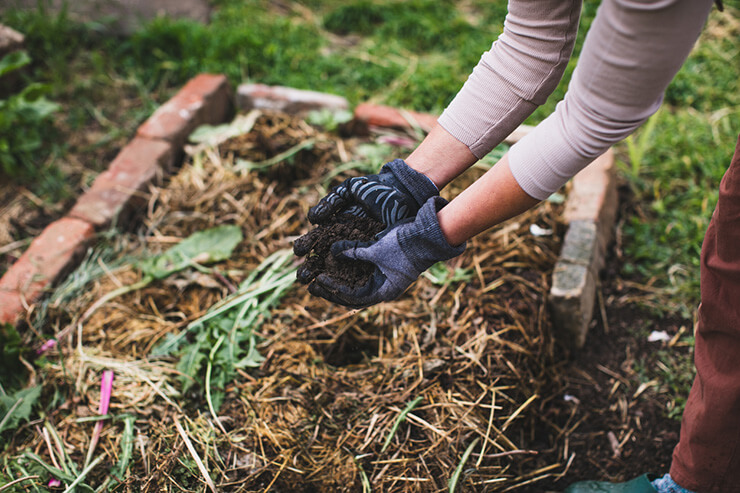
  • Feed the soil, not just the plant. Instead of quick chemical fixes, we build fertility through compost, mulch, and natural amendments.
  • Work with nature, not against it. We invite earthworms, bees, and microbes to help us, instead of wiping them out.
  • Avoid synthetic chemicals. Herbicides, pesticides, and chemical fertilizers may offer short-term solutions, but they damage the soil ecosystem and reduce long-term fertility.
  • Close the loop. Garden waste becomes compost, which becomes soil food, which grows more plants. Nothing is wasted.

Why Chemicals Don’t Belong in the Food Garden

  • Soil life suffers. Synthetic fertilizers bypass the microbial network that plants depend on, essentially “junk feeding” crops instead of nourishing them.
  • Nutrient imbalances. Overuse of chemicals can make soil dependent, weaker, and less resilient.
  • Health concerns. Pesticide residues don’t belong on the very vegetables you’re planning to eat for dinner.
  • Environmental impact. Runoff from chemical fertilizers can pollute streams, rivers, and groundwater.

As Tom from North Carolina once told me:

“I used to buy chemical fertilizer because it gave me fast results. But after a few years, my soil looked dead. Switching to compost brought the worms back—and so did the flavor in my tomatoes.”

The Organic Toolbox

When you garden organically, your toolbox is wide and varied:

  • Compost: The cornerstone of fertility.
  • Mulch: Conserves moisture, adds organic matter, suppresses weeds.
  • Cover crops: Feed the soil and protect it through the seasons.
  • Beneficial insects: Ladybugs, lacewings, and pollinators are your allies.
  • Organic fertilizers: Bone meal, blood meal, kelp meal, fish emulsion—slow and steady nourishment.

Organic Doesn’t Mean “Perfect”

Let’s be honest: organic gardening isn’t always the easy road. Aphids will still find your kale. Slugs may still munch on your lettuce. But instead of blasting them with chemicals, we focus on balance. Sometimes that means hand-picking pests, sometimes it means planting marigolds as companions, and sometimes it means shrugging and remembering that a few holes in a leaf don’t make it any less delicious.

A Philosophy of Care

Organic gardening is not just a method—it’s a mindset. It’s about respecting the soil as a living system, honoring the food we grow, and recognizing that the choices we make ripple outward to our families, neighbors, and communities.

As I often remind fellow gardeners:

“Every compost pile, every mulched bed, every chemical-free harvest is a small act of rebellion against a world that forgets where food comes from.”

Key Takeaway: Organic soil care isn’t a fad—it’s the foundation of safe, nutritious, and delicious food gardening. By feeding the soil naturally, you’re building a healthier garden, a healthier family, and a healthier planet.


arrow-left Previous
Next arrow-right

Tags

chemical fertilizers, fertilizer, food garden, garden soil, my soil

Comments

Click here to cancel reply.

Leave a Reply Cancel reply

Your email address will not be published. Required fields are marked *

TABLE OF CONTENTS

  • Healthy Soil for a Bountiful Harvest
  • What Is Soil, Really?
  • Why Healthy Soil Means Healthy Food
  • The A-to-Z of Soil Health
  • Testing Your Soil: The Gardener’s Report Card
  • Amending Existing Soil: Fix, Don’t Fight
  • Building Soil from Scratch: Raised Beds and Containers
  • Organic Principles for Food Gardeners
  • In-Ground Gardens: Working with the Soil You’ve Got
  • Raised Beds: Soil Layering, Refreshing, and Renewal
  • Containers: Small Spaces, Big Potential
  • Herbs: Fragrant and Flavorful in Any Soil
  • Vegetables: Feeding the Family
  • Fruit Trees: Soil for the Long Haul
  • Berries: Sweet Soil Secrets
  • Spring: Waking the Soil
  • Summer: Feeding the Feast
  • Fall: Putting the Garden to Bed
  • Winter: Rest, Reflect, Rebuild
  • Soil Care in Cold Climates (Zones 3–5)
  • Soil Care in Moderate Climates (Zones 6–8)
  • Soil Care in Warm & Tropical Climates (Zones 9–12)
  • Composting A to Z
  • Cover Crops and Green Manure
  • Mulching Matters
  • Crop Rotation and Soil Balance
  • Water, Drainage, and Soil Health
  • Soil pH and Mineral Balance
  • Soil Life and the Food Web
  • Soil Troubleshooting Guide A to Z
  • Putting It All Together — A Year in the Life of Healthy Soil
  • A Gardener’s Promise

Enter Your Log In Credentials

This setting should only be used on your home or work computer.

  • Lost your password? Create New Password
  • No account? Sign up

Need Assistance?

Call Food Gardening Network Customer Service at
(800) 777-2658

Food Gardening Network is an active member of the following industry associations:

  • American Horticultural Society
  • GardenComm Logo
  • GardenComm Laurel Media Award
  • MCMA logo
  • Join Now
  • Learn More
  • About Food Gardening Network
  • Contact Us
  • Affiliate Program
  • Sponsor Program
  • Give a Gift
  • Privacy Policy & Terms of Use
  • Food Gardener’s Book Club FAQ

Food Gardening Network
99 Derby Street, Suite 200
Hingham, MA 02043
support@foodgardening.mequoda.com

To learn more about our Email Marketing and Broadcasting Services, Exchange Program, or to become a marketing partner with any of our publications, click here to contact us at Mequoda Publishing Network.

FREE E-Newsletter for You!

Discover how to grow, harvest, and eat good food from your own garden—with our FREE e-newsletter, delivered directly to your email inbox.

  • Facebook
  • Twitter
  • Instagram
  • Pinterest

Powered by
Mequoda Publishing Network
copyright © 2026 Mequoda Systems, LLC

Food Gardening Network®, Food Gardening Magazine® and GreenPrints® are registered trademarks of Mequoda Systems, LLC.