×
  • Home
  • Daily
    • Buyers Guides
    • Composting
    • Container Gardening
    • Easy Healthy Recipes
    • Food Preservation
    • Garden Design
    • Garden Tools
    • Gardening LIfe
      • Animals in the Garden
      • Funny Business
      • Gardening History
      • Gardening Humor
      • Gardening Mishaps
      • Gardening Poems
      • Gardening Romance
      • Gardening Science
      • Gardening with Kids
      • Healing Gardens
      • Joy of Gardening
      • Mystical Gardens
      • Ornamental Gardening
    • Growing Fruits & Berries
    • Indoor Gardening
    • Pests & Diseases
    • Seeds & Seedlings
    • Soil & Fertilizer
    • Spice & Herb Gardening
    • Vegetable Gardening
    • Watering & Irrigation
  • Freebies
  • Videos
  • Libraries
    • Food Gardening Magazine
    • GreenPrints Magazine
    • RecipeLion Magazine
    • GuideBooks
    • Cookbooks
      • Beverages
      • Bakery
      • Breakfast
      • Appetizers
      • Salads & Dressings
      • Soups
      • Entrées
      • Side Dishes & Sauces
      • Desserts
    • Story Collections
    • StoryBooks
    • Recipe Collections
  • Kits
    • Garden Calendars
    • Garden Plans
    • Recipe Cards
    • Greeting Cards
    • ArtPrints
  • Book Club
  • About Us
  • Contact Us
  • Affiliate Program
  • Sponsor Program
  • Give a Gift
  • Privacy Policy & Terms of Use
  • Authors
  • GreenPrints Writer’s Guidelines
  • Keyword Index
  • Join
Crochet, Food Gardening, Knitting, Quilting, Rug Hooking, Sewing

Food Gardener's Book Club

Give a GiftJoin
Visit Our Amazon Store!
  • Daily
    • Buyers Guides
    • Composting
    • Container Gardening
    • Easy Healthy Recipes
    • Food Preservation
    • Garden Design
    • Garden Tools
    • Gardening Life
      • Animals in the Garden
      • Funny Business
      • Gardening History
      • Gardening Humor
      • Gardening Mishaps
      • Gardening Poems
      • Gardening Romance
      • Gardening Science
      • Gardening with Kids
      • Healing Gardens
      • Joy of Gardening
      • Mystical Gardens
      • Ornamental Gardening
    • Growing Fruits & Berries
    • Indoor Gardening
    • Pests & Diseases
    • Seeds & Seedlings
    • Soil & Fertilizer
    • Spice & Herb Gardening
    • Vegetable Gardening
    • Watering & Irrigation
  • Freebies
  • Videos
  • Libraries
    • Food Gardening Magazine
    • GreenPrints Magazine
    • RecipeLion Magazine
    • GuideBooks
    • Cookbooks
      • Beverages
      • Bakery
      • Breakfast
      • Appetizers
      • Salads & Dressings
      • Soups
      • Entrées
      • Side Dishes & Sauces
      • Desserts
    • Story Collections
    • StoryBooks
    • Recipe Collections
  • Kits
    • Garden Calendars
    • Garden Plans
    • Recipe Cards
    • Greeting Cards
    • ArtPrints
  • Book Club
  • Visit Our Amazon Store!|
  • Sign In
  • Search

Testing Your Soil: The Gardener’s Report Card

Book Club: Soil Care Secrets A to Z

arrow-left Previous
Next arrow-right

Testing Your Soil: The Gardener’s Report Card

By Don Nicholas

When I was in school, I used to dread report cards. They always told me more about where I had slacked off than where I had succeeded. But as a gardener, I actually look forward to soil report cards. A good soil test doesn’t scold you—it guides you. It shows you what’s working well underground and what needs a little extra help.

The truth is, no matter how your garden looks above ground, the real story starts beneath the surface. Soil testing gives you the inside scoop. It’s like peeking into the pantry before you start cooking—you want to know what you’ve got and what you’re missing before you plan the meal.

Why Test Your Soil?

  • Avoid Guesswork: Without a test, you’re just guessing at what your soil needs. Adding random amendments can waste money—or worse, harm your plants.
  • Improve Yields: Balanced nutrients mean stronger, more productive plants.
  • Save Time: Knowing your soil’s condition helps you focus on what really matters instead of trying every fix under the sun.

As Rachel from Indiana told me:

“Once I stopped winging it and sent in a soil sample, everything clicked. I’d been overfeeding nitrogen but starving my soil of potassium. My tomatoes forgave me the next season.”

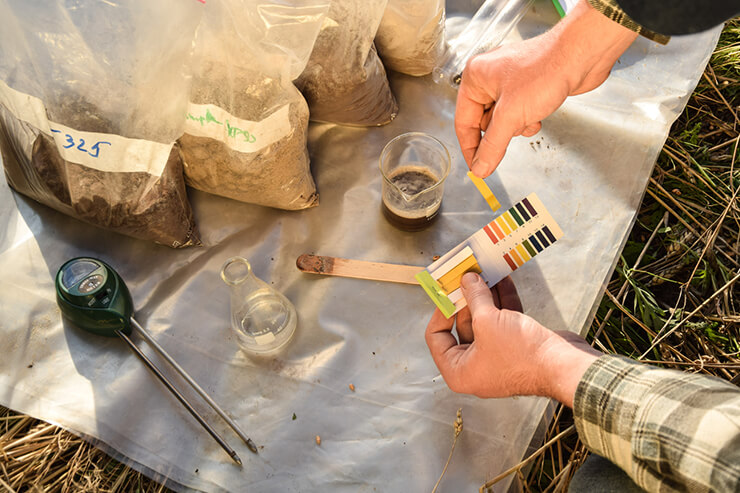
Types of Soil Tests

  1. DIY Home Test Kits
  • Available at garden centers or online.
  • Simple color-coded tests for pH, nitrogen, phosphorus, and potassium (N-P-K).
  • Quick results, but less precise.
  • Best for a fast check when you’re just starting out or adjusting on the fly.
  1. Professional Lab Tests
  • Offered by state extension services or private labs.
  • You send in a soil sample; results come back with detailed nutrient levels, organic matter percentage, and amendment recommendations.
  • Costs a bit more ($15–$30 on average), but worth it for serious food gardeners.
  • Some labs even customize recommendations for the crops you’re growing.

How to Collect a Good Sample

A soil test is only as good as the sample you give. Here’s the gardener’s playbook:

  1. Pick the right time: Test soil in early spring or fall when conditions are stable.
  2. Gather multiple spots: Don’t just dig in one corner—collect samples from 6–8 spots across your garden bed.
  3. Depth matters: For vegetables and herbs, take soil from about 6 inches deep. For orchards or perennials, go 8–12 inches.
  4. Mix it up: Combine samples in a clean bucket to get a representative blend.
  5. Air-dry before sending: If mailing to a lab, let your soil dry naturally—don’t bake it (you’ll kill the microbes).

Reading the Report Card

Most reports will highlight:

  • pH: Is your soil too acidic, too alkaline, or just right?
  • Macronutrients (N-P-K): The big three your plants need most.
  • Micronutrients: Trace elements like zinc, iron, and boron.
  • Organic Matter %: A measure of soil life and fertility. Aim for 3–5% as a baseline, more if possible.

It might look like a lot of numbers, but don’t panic. Labs usually provide clear recommendations—“Add 3 pounds of lime per 100 square feet,” or “Incorporate compost to increase organic matter.”

What to Do with the Results

  1. Amend gradually: Don’t dump in everything at once—soil prefers steady improvement.
  2. Go organic: Choose compost, aged manure, bone meal, or seaweed extracts instead of chemical quick fixes.
  3. Retest regularly: Every 2–3 years is usually enough unless you’re battling a specific problem.

A Gardener’s Lesson

I’ll never forget the year I tested the soil in one of my raised beds and found the pH at 5.2—too acidic for most of my vegetables. No wonder my beans were sulking. A sprinkling of lime, a few months of composting, and the next season I had beans climbing the trellis like they were auditioning for a circus act.

Key Takeaway: Soil testing is your garden’s report card. It’s not about passing or failing—it’s about learning what your soil needs so you can give your plants the best possible start.


arrow-left Previous
Next arrow-right

Tags

beans, my soil, tomatoes

Comments

Click here to cancel reply.

Leave a Reply Cancel reply

Your email address will not be published. Required fields are marked *

TABLE OF CONTENTS

  • Healthy Soil for a Bountiful Harvest
  • What Is Soil, Really?
  • Why Healthy Soil Means Healthy Food
  • The A-to-Z of Soil Health
  • Testing Your Soil: The Gardener’s Report Card
  • Amending Existing Soil: Fix, Don’t Fight
  • Building Soil from Scratch: Raised Beds and Containers
  • Organic Principles for Food Gardeners
  • In-Ground Gardens: Working with the Soil You’ve Got
  • Raised Beds: Soil Layering, Refreshing, and Renewal
  • Containers: Small Spaces, Big Potential
  • Herbs: Fragrant and Flavorful in Any Soil
  • Vegetables: Feeding the Family
  • Fruit Trees: Soil for the Long Haul
  • Berries: Sweet Soil Secrets
  • Spring: Waking the Soil
  • Summer: Feeding the Feast
  • Fall: Putting the Garden to Bed
  • Winter: Rest, Reflect, Rebuild
  • Soil Care in Cold Climates (Zones 3–5)
  • Soil Care in Moderate Climates (Zones 6–8)
  • Soil Care in Warm & Tropical Climates (Zones 9–12)
  • Composting A to Z
  • Cover Crops and Green Manure
  • Mulching Matters
  • Crop Rotation and Soil Balance
  • Water, Drainage, and Soil Health
  • Soil pH and Mineral Balance
  • Soil Life and the Food Web
  • Soil Troubleshooting Guide A to Z
  • Putting It All Together — A Year in the Life of Healthy Soil
  • A Gardener’s Promise

Enter Your Log In Credentials

This setting should only be used on your home or work computer.

  • Lost your password? Create New Password
  • No account? Sign up

Need Assistance?

Call Food Gardening Network Customer Service at
(800) 777-2658

Food Gardening Network is an active member of the following industry associations:

  • American Horticultural Society
  • GardenComm Logo
  • GardenComm Laurel Media Award
  • MCMA logo
  • Join Now
  • Learn More
  • About Food Gardening Network
  • Contact Us
  • Affiliate Program
  • Sponsor Program
  • Give a Gift
  • Privacy Policy & Terms of Use
  • Food Gardener’s Book Club FAQ

Food Gardening Network
99 Derby Street, Suite 200
Hingham, MA 02043
support@foodgardening.mequoda.com

To learn more about our Email Marketing and Broadcasting Services, Exchange Program, or to become a marketing partner with any of our publications, click here to contact us at Mequoda Publishing Network.

FREE E-Newsletter for You!

Discover how to grow, harvest, and eat good food from your own garden—with our FREE e-newsletter, delivered directly to your email inbox.

  • Facebook
  • Twitter
  • Instagram
  • Pinterest

Powered by
Mequoda Publishing Network
copyright © 2026 Mequoda Systems, LLC

Food Gardening Network®, Food Gardening Magazine® and GreenPrints® are registered trademarks of Mequoda Systems, LLC.