Give a Gift
 Previous
When most people hear the word soil, they picture a patch of brown stuff stuck to the bottom of their shoes. Dirt, plain and simple. But as food gardeners, we quickly learn that soil is far from plain. It’s not just the ground we plant in—it’s the foundation of everything we grow, the quiet partner that makes our gardens thrive.
My father used to say, “You can buy from the fanciest seed catalog in the world, but if your soil isn’t healthy, you’re just planting into disappointment.” He was right. Soil isn’t dead matter. It’s a living, breathing community.
Soil as a Living Ecosystem
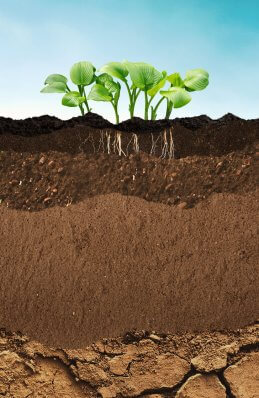
Beneath every lettuce leaf and tomato vine lies a bustling metropolis:
- Microbes: Bacteria and fungi form partnerships with plants, trading nutrients for sugars and helping roots grow stronger.
- Worms and insects: These underground workers chew, churn, and aerate the soil, creating pathways for air and water.
- Minerals: Sand, silt, and clay combine in different proportions to shape soil texture.
- Organic matter: Decomposed leaves, compost, and plant residues act as the buffet table for all soil life.
Soil is more than the sum of its parts—it’s a living system that interacts with plants. When it’s balanced, the garden flourishes. When it’s depleted or compacted, the plants struggle no matter how much fertilizer you throw at them.
Soil vs. Dirt
There’s an old saying among gardeners: “Soil grows things, dirt just gets under your nails.” Dirt is lifeless—it’s what you sweep off the porch. Soil, on the other hand, is dirt plus life. That life makes all the difference.
Mary from Kansas put it perfectly when she told me:
“Once I started treating soil like a pet that needed feeding and care, my beans doubled in size. I stopped calling it dirt. It deserves better.”
Types of Soil: The Building Blocks
Most gardeners inherit soil that falls into one of three main categories:
- Sandy soil: Loose, quick-draining, but often poor at holding nutrients.
- Clay soil: Heavy, sticky, and nutrient-rich, but slow to drain and prone to compaction.
- Silty soil: Smooth, fertile, and moisture-retentive, but can crust over.
The sweet spot is a balance called loam, which has enough sand for drainage, enough clay for nutrients, and enough silt for structure. Few of us start with perfect loam, but the good news is that soil can be improved over time.
The Magic of Organic Matter
If there’s one soil care “secret” worth underlining in red ink, it’s this: organic matter is the gardener’s gold. Compost, leaves, aged manure, straw—these feed microbes, improve texture, and increase water retention. They transform clay into something workable and give sandy soil the grip it needs to hold nutrients.
Think of organic matter as your soil’s pantry, constantly restocked with the good stuff your plants crave.
A Partnership of Care
Healthy soil doesn’t happen by accident—it’s built. Every time you add compost, mulch a bed, or sow a cover crop, you’re feeding the underground world that feeds you. It’s not unlike tending a friendship: a little effort, some patience, and mutual respect go a long way.
As we move through this book, we’ll dive into the A-to-Z of soil care—from acidity to zinc, and everything in between. But it all begins with this simple truth: soil is alive, and when you care for it, it will return the favor in delicious, nutritious abundance.
Key Takeaway: Soil is not “dirt.” It’s a living ecosystem that needs to be nurtured. The more life in your soil, the more life you’ll harvest on your plate.