Give a Gift
 Previous
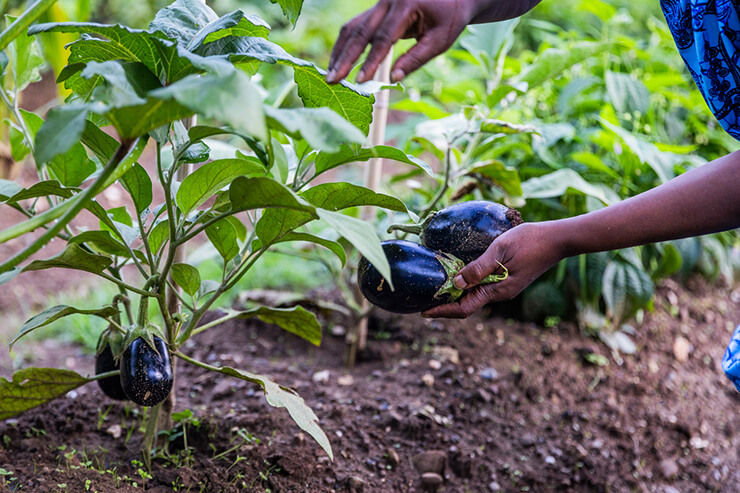
If herbs are the seasoning, vegetables are the meal. They’re the backbone of the food garden—the peas in spring, the tomatoes in summer, the kale in fall, and the carrots tucked away for winter soups. But vegetables are also a diverse bunch, and they don’t all want the same soil.
Some demand rich, fertile ground; others thrive in leaner soil as long as it’s loose and well-drained. Understanding these differences will help you tailor your soil care for each vegetable, ensuring not just bigger harvests but tastier ones too.
Vegetables by Soil “Personality”
You can think of vegetables in three broad soil-loving groups:
- Leafy Crops (lettuce, spinach, kale, cabbage, collards)
- Needs: Nitrogen-rich soil for steady leaf production.
- Best soil: Compost-heavy, moist, fertile, slightly acidic to neutral (pH 6.0–6.8).
- Soil care tips:
- Top-dress with compost mid-season.
- Mulch to keep soil evenly moist.
- Avoid nutrient stress—leaf crops bolt when unhappy.
“When I finally gave my kale a little compost tea, it stopped sulking and became the star of my garden.” —Sarah, Oregon
- Root Crops (carrots, beets, radishes, turnips, parsnips)
- Needs: Loose, stone-free soil for straight, clean roots.
- Best soil: Sandy loam, low in nitrogen, well-drained.
- Soil care tips:
- Sift soil or rake out clumps before planting.
- Avoid fresh manure—too much nitrogen makes hairy, forked roots.
- Thin seedlings early to reduce crowding.
- Fruiting Crops (tomatoes, peppers, squash, beans, peas, cucumbers)
- Needs: Balanced fertility with good potassium and calcium for fruit development.
- Best soil: Rich loam with organic matter and excellent drainage.
- Soil care tips:
- Add lime or crushed eggshells for calcium (tomatoes/peppers).
- Ensure good airflow and avoid soggy conditions.
- For peas and beans, inoculate seed with Rhizobium bacteria to fix nitrogen.
“My peppers didn’t set fruit until I realized they needed more than nitrogen. A sprinkle of kelp meal changed everything.” —James, Georgia
Seasonal Soil Care for Vegetables
Spring
- Test soil pH and amend before planting heavy feeders.
- Incorporate compost into beds for leafy greens and brassicas.
- Plant peas and root crops into cool, loosened soil.
Summer
- Side-dress heavy feeders (tomatoes, squash, corn) with compost or worm castings.
- Keep mulch 2–3 inches thick to conserve moisture and cool soil.
- Use drip irrigation or soaker hoses to reduce stress and disease.
Fall
- Work in finished compost after final harvest.
- Sow cover crops like rye, clover, or oats to protect soil and build fertility.
- For overwintering greens, add a layer of leaf mold or straw mulch.
Winter
- Let soil rest under mulch or cover crops.
- Review your rotation plan—don’t plant the same vegetable family in the same spot next year.
Raised Bed & Container Considerations
- Leaf crops thrive in raised beds enriched with compost.
- Root crops prefer deep, loose soil—try “root boxes” with sandy mixes.
- Fruiting crops like tomatoes need at least 10–15 gallons of container soil to flourish.
Common Soil Problems for Vegetables
- Yellowing leaves → Often nitrogen deficiency; fix with compost or compost tea.
- Blossom end rot → Calcium unavailable due to uneven watering or low pH; add lime, mulch, and water consistently.
- Poor root development → Soil too compacted; loosen and add sand/compost.
- Low yields despite healthy plants → Too much nitrogen; balance with phosphorus and potassium.
A Gardener’s Reflection
Vegetables are demanding, but they reward you generously. Each crop has its quirks, but the common thread is this: the better the soil, the better the harvest.
As my father used to say, “A good stew starts with a good garden, and a good garden starts with good soil.”
Key Takeaway: Group vegetables by their soil needs—leafy, root, and fruiting—and tailor your amendments accordingly. Feed leafy crops with compost, loosen soil for roots, and balance nutrients for fruiting crops. With the right soil, your vegetable garden will feed both your family and your soul.