×
  • Home
  • Daily
    • Buyers Guides
    • Composting
    • Container Gardening
    • Easy Healthy Recipes
    • Food Preservation
    • Garden Design
    • Garden Tools
    • Gardening LIfe
      • Animals in the Garden
      • Funny Business
      • Gardening History
      • Gardening Humor
      • Gardening Mishaps
      • Gardening Poems
      • Gardening Romance
      • Gardening Science
      • Gardening with Kids
      • Healing Gardens
      • Joy of Gardening
      • Mystical Gardens
      • Ornamental Gardening
    • Growing Fruits & Berries
    • Indoor Gardening
    • Pests & Diseases
    • Seeds & Seedlings
    • Soil & Fertilizer
    • Spice & Herb Gardening
    • Vegetable Gardening
    • Watering & Irrigation
  • Freebies
  • Videos
  • Libraries
    • Food Gardening Magazine
    • GreenPrints Magazine
    • RecipeLion Magazine
    • GuideBooks
    • Cookbooks
      • Beverages
      • Bakery
      • Breakfast
      • Appetizers
      • Salads & Dressings
      • Soups
      • Entrées
      • Side Dishes & Sauces
      • Desserts
    • Story Collections
    • StoryBooks
    • Recipe Collections
  • Kits
    • Garden Calendars
    • Garden Plans
    • Recipe Cards
    • Greeting Cards
    • ArtPrints
  • Book Club
  • About Us
  • Contact Us
  • Affiliate Program
  • Sponsor Program
  • Give a Gift
  • Privacy Policy & Terms of Use
  • Authors
  • GreenPrints Writer’s Guidelines
  • Keyword Index
  • Join
Crochet, Food Gardening, Knitting, Quilting, Rug Hooking, Sewing

Food Gardener's Book Club

Give a GiftJoin
Visit Our Amazon Store!
  • Daily
    • Buyers Guides
    • Composting
    • Container Gardening
    • Easy Healthy Recipes
    • Food Preservation
    • Garden Design
    • Garden Tools
    • Gardening Life
      • Animals in the Garden
      • Funny Business
      • Gardening History
      • Gardening Humor
      • Gardening Mishaps
      • Gardening Poems
      • Gardening Romance
      • Gardening Science
      • Gardening with Kids
      • Healing Gardens
      • Joy of Gardening
      • Mystical Gardens
      • Ornamental Gardening
    • Growing Fruits & Berries
    • Indoor Gardening
    • Pests & Diseases
    • Seeds & Seedlings
    • Soil & Fertilizer
    • Spice & Herb Gardening
    • Vegetable Gardening
    • Watering & Irrigation
  • Freebies
  • Videos
  • Libraries
    • Food Gardening Magazine
    • GreenPrints Magazine
    • RecipeLion Magazine
    • GuideBooks
    • Cookbooks
      • Beverages
      • Bakery
      • Breakfast
      • Appetizers
      • Salads & Dressings
      • Soups
      • Entrées
      • Side Dishes & Sauces
      • Desserts
    • Story Collections
    • StoryBooks
    • Recipe Collections
  • Kits
    • Garden Calendars
    • Garden Plans
    • Recipe Cards
    • Greeting Cards
    • ArtPrints
  • Book Club
  • Visit Our Amazon Store!|
  • Sign In
  • Search

The A-to-Z of Soil Health

The A-to-Z of Soil Health

By Don Nicholas


Every gardener knows that when you start talking about soil, the conversation quickly fills with words that sound like they came out of a science lab: pH, humus, tilth, mycorrhizae. But don’t worry—soil science doesn’t have to be intimidating.

Think of this chapter as your soil dictionary. We’ll take a lighthearted walk from A to Z, defining the building blocks of soil health in plain English, with just enough science to give you confidence, and just enough gardener humor to keep things fun.

A – Acidity (pH)

Soil pH tells you how acidic or alkaline your soil is. Most vegetables like a slightly acidic soil (6.0–7.0). Blueberries and azaleas, on the other hand, love it more acidic. If your plants look pale or weak despite your best efforts, check the pH—it’s like their appetite setting.

B – Beneficial Bacteria

Not all bacteria are bad! In fact, soil is full of “good guys” that decompose organic matter, fix nitrogen, and protect roots. They’re the unseen chefs preparing nutrients for your plants.

“When I learned I had to feed the bacteria, not just the plants, my garden came alive,” says Jerome from Ohio.

C – Compost

The gardener’s black gold. Compost adds nutrients, improves soil texture, and feeds the soil life. Whether it’s a backyard bin, worm castings, or leaf mold, compost is the most versatile amendment you can use.

D – Drainage

Plants love water—but not too much! Good drainage keeps roots from drowning. Sandy soils drain fast; clay soils hold water. Amending with organic matter helps balance both.

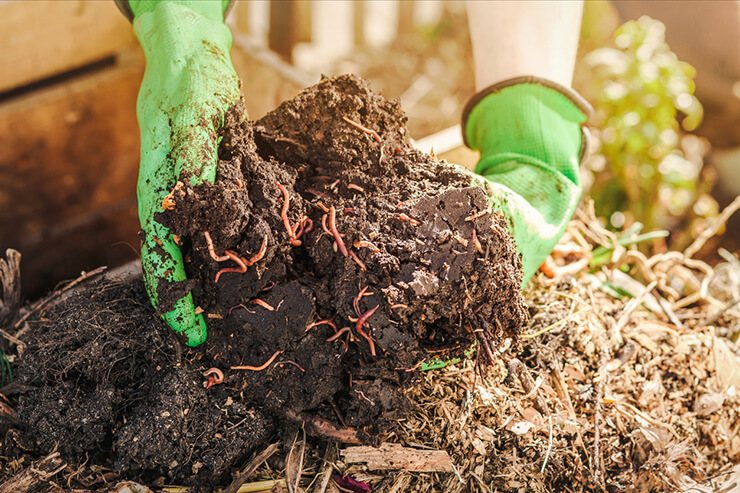
E – Earthworms

Your unpaid garden helpers. They aerate the soil and leave behind nutrient-rich castings. If you see lots of worms, it’s a good sign your soil is alive and healthy.

F – Fertility

Soil fertility isn’t just about adding fertilizer. It’s about creating a balanced, living soil that can continuously provide nutrients through organic matter, minerals, and microbial activity.

G – Green Manure (Cover Crops)

Plants grown specifically to feed the soil, like clover, vetch, or rye. Turned back into the earth, they add nutrients, prevent erosion, and keep weeds at bay.

H – Humus

Not to be confused with hummus (though both are delicious in their own way). Humus is the dark, stable organic material left after composting and decomposition. It holds nutrients and water like a sponge.

I – Inoculants

These are microbial “boosters” you can add to your soil—especially useful for legumes, which form partnerships with bacteria that fix nitrogen.

M – Mycorrhizae

Fungi that team up with plant roots, extending their reach for water and nutrients. They’re like Wi-Fi extenders for your plants.

N – Nitrogen

The big “N” in N-P-K fertilizers. Critical for leafy growth, but too much can cause lush leaves and no fruit. Organic sources include composted manure, blood meal, and alfalfa meal.

O – Organic Matter

The foundation of soil health. Leaves, compost, manure—anything once alive. It improves structure, fertility, and microbial life. If you remember only one soil word, make it this one.

P – Phosphorus

Encourages root growth, flowers, and fruit. Often supplied by bone meal or rock phosphate in organic gardens.

S – Soil Structure & Tilth

The way soil particles clump together. Good tilth means loose, crumbly, easy-to-dig soil that holds moisture without compacting.

W – Water Retention

The ability of soil to hold onto water for roots. Sandy soil loses water quickly; clay holds too much. Organic matter helps find the sweet spot.

Z – Zinc (and Micronutrients)

Small but mighty. Plants need micronutrients like zinc, iron, and boron in trace amounts. Deficiencies often show up as pale or distorted leaves. Balanced soil biology usually keeps these in check.

A-to-Z Takeaway

You don’t need a PhD in soil science to be a great food gardener. If you understand a few key terms—pH, compost, drainage, organic matter—you’ve already got the foundation. The rest is practice, observation, and a willingness to keep learning.

As Denise from Florida likes to say:

“Every season, I learn a new soil word. Last year it was ‘mycorrhizae.’ This year it’s just ‘mulch.’ Whatever you call it, the plants keep teaching me.”

Key Takeaway: Healthy soil has its own language. Learn the basics, and you’ll be fluent in the conversation between your garden and the ground beneath your feet.


« Why Healthy Soil Means Healthy Food
Testing Your Soil: The Gardener’s Report Card »

Tags

blueberries, bone meal, composting, gardener, rock phosphate

Comments

Click here to cancel reply.

Leave a Reply Cancel reply

Your email address will not be published. Required fields are marked *

Give a Gift

FREEBIE!

With your FREEBIE, you’ll also receive regular email messages from the Food Gardening Network. You can unsubscribe at any time.

Your email address is private. We promise never to sell, rent or disclose your email address to third parties.

Freebies

  • Worst Best Gardening Jokes Calendar
  • 5 Easy Healthy Carrot Recipes
  • 5 Easy Healthy Lemon Recipes
  • 5 Easy Healthy Salsa Recipes
  • 5 Easy Healthy Apple Recipes
  • 5 Easy Healthy Chicken Breast Recipes
  • Top 11 Food Gardening Tools You Need to Succeed
  • A Printable Companion Planting Chart
  • Plants for Bug Control Chart
  • Printable Seed Germination Temperature Chart
  • Printable Tomato Garden-to-Table Chart
  • Planning Your Perfect Food Garden
  • Printable Butterfly Garden Planting Chart
  • The Best Way to Grow Tomatoes
  • Printable Composting 101 Charts
  • How to Master Spice and Herb Gardening at Home
  • 10 Best Garden Poems of All Time
  • Vegetable Garden Planting Chart Freebie
  • Printable Flower Garden Companion Planting Chart
  • 10 Things You Can Grow That Your Pet Will LOVE To Eat!
  • Rose Garden Planting Chart Freebie
  • Printable Kitchen Garden Planting Charts
  • Sunflower Garden Planting Chart Freebie
  • Seasonal ArtPrints Collection Kit Sampler
  • Sampler: Gardening Humor
  • Sampler: Wit, Wisdom, & Learning
  • Gardening in Every Season
  • How to Start a Freedom Garden
  • Recipes from Your Garden
  • Sampler: Animals in the Garden
  • Sampler: Healing Gardens
  • Sampler: Joy of Gardening
  • Growing Vegetables Indoors for Beginners
  • 15 Easiest Fruits to Grow at Home
  • How to Grow a Vegetable Garden

Browse Topics

  • Buyers Guides
  • Composting
  • Container Gardening
  • Easy Healthy Recipes
  • Food Preservation
  • Garden Design
  • Garden Tools
  • Gardening Life
  • Growing Fruits & Berries
  • Indoor Gardening
  • Ornamental Gardening
  • Pests & Diseases
  • Seeds & Seedlings
  • Soil & Fertilizer
  • Spice & Herb Gardening
  • Uncategorized
  • Vegetable Gardening
  • Watering & Irrigation

Buyers Guides:

  • 9 Automated Garden Tools for Effortless Growing
  • 12 Cool Gardening Tools and Gifts for the Plant Lover in Your Life
  • Choosing the Best Shovel for Your Gardening Needs
  • 10 Gardening Tools for Seniors That Actually Make a Difference
  • This Countertop Compost Machine Turns Scraps into Compost in a Few Hours
  • 10+ Food Gardening Gadgets We Love
  • 15 Adaptive and Accessible Gardening Tools and Raised Beds
  • 13 Canning Tools, Supplies & Equipment You Need
  • The 3 Best Gardening Shoes
  • 5+ Best Bird Deterrents for Gardens
  • Shop Our Amazon Store

Authors:

  • Bill Dugan
  • Amanda MacArthur
  • Mike McGrath
  • Don Nicholas
  • Norann Oleson
  • Christy Page
  • Becky Rupp
  • Beth Rush
  • Pat Stone
  • Diana Wells

Enter Your Log In Credentials

This setting should only be used on your home or work computer.

  • Lost your password? Create New Password
  • No account? Sign up

Need Assistance?

Call Food Gardening Network Customer Service at
(800) 777-2658

Food Gardening Network is an active member of the following industry associations:

  • American Horticultural Society
  • GardenComm Logo
  • GardenComm Laurel Media Award
  • MCMA logo
  • Join Now
  • Learn More
  • About Food Gardening Network
  • Contact Us
  • Affiliate Program
  • Sponsor Program
  • Give a Gift
  • Privacy Policy & Terms of Use
  • Food Gardener’s Book Club FAQ

Food Gardening Network
99 Derby Street, Suite 200
Hingham, MA 02043
support@foodgardening.mequoda.com

To learn more about our Email Marketing and Broadcasting Services, Exchange Program, or to become a marketing partner with any of our publications, click here to contact us at Mequoda Publishing Network.

FREE E-Newsletter for You!

Discover how to grow, harvest, and eat good food from your own garden—with our FREE e-newsletter, delivered directly to your email inbox.

  • Facebook
  • Twitter
  • Instagram
  • Pinterest

Powered by
Mequoda Publishing Network
copyright © 2026 Mequoda Systems, LLC

Food Gardening Network®, Food Gardening Magazine® and GreenPrints® are registered trademarks of Mequoda Systems, LLC.