Give a Gift
 Previous
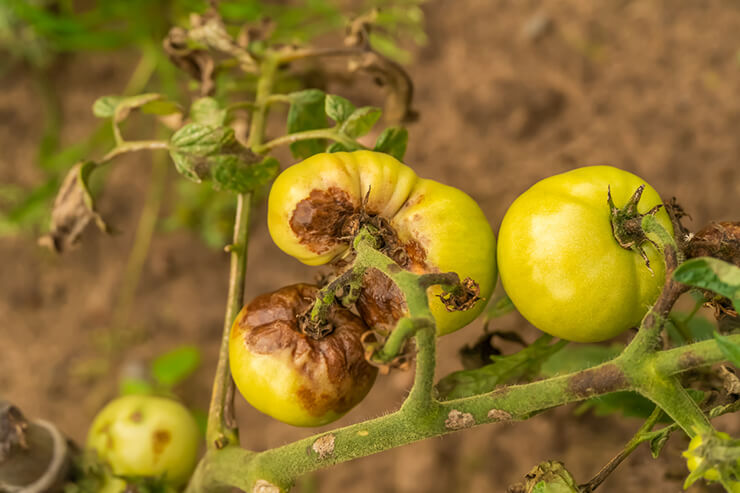
No matter how much love and compost you pour into your garden, soil sometimes misbehaves. Plants look yellow, fruit drops early, or herbs refuse to sprout. The good news? Most of these problems trace back to soil health—and most can be fixed with a thoughtful, organic approach.
This A-to-Z guide will help you diagnose common soil issues and restore balance in your garden beds, raised beds, and containers.
A — Acidity (Low pH)
Symptoms: Stunted growth, pale leaves, poor yields.
Fix: Apply lime or crushed oyster shells to raise pH gradually.
“My beets barely swelled until I discovered the soil was too acidic. One round of lime and they plumped up like magic.” —Sarah, Vermont
B — Bare Soil
Problem: Uncovered soil loses microbes, dries out, and erodes.
Fix: Mulch, cover crops, or living ground covers.
C — Compaction
Symptoms: Hard clods, poor drainage, roots struggle to penetrate.
Fix: Add organic matter, use broadforking, grow deep-rooted cover crops (daikon radish, alfalfa).
D — Drainage (Poor)
Symptoms: Standing water, root rot, fungal problems.
Fix: Add compost, sand, or build raised beds. Consider French drains for soggy sites.
E — Erosion
Symptoms: Topsoil washing away in rain or wind.
Fix: Mulch, plant cover crops, terrace slopes, install swales.
F — Fertility Loss
Symptoms: Plants underperform despite watering.
Fix: Add compost, rotate crops, incorporate green manures.
G — Gritty Soil
Problem: Sandy soils dry too fast and leach nutrients.
Fix: Add organic matter and biochar to increase retention.
H — High Salinity
Symptoms: White crust on soil, burnt leaf tips.
Fix: Flush soil with water, add gypsum, use salt-tolerant cover crops.
I — Iron Deficiency
Symptoms: Yellowing between leaf veins (especially on young leaves).
Fix: Apply chelated iron, compost, or seaweed meal; lower pH if alkaline.
J — Jumpstart Needed (Slow Microbial Life)
Symptoms: Soil feels lifeless, plants lack vigor.
Fix: Add compost tea, worm castings, or mycorrhizal inoculants.
K — Potassium Deficiency
Symptoms: Scorched leaf edges, weak stems, poor fruit.
Fix: Add wood ash (lightly), kelp meal, or greensand.
L — Low Organic Matter
Symptoms: Soil feels thin, dry, or crumbly.
Fix: Add compost, aged manure, shredded leaves, or biochar.
M — Magnesium Deficiency
Symptoms: Yellowing between veins on older leaves.
Fix: Epsom salt (magnesium sulfate) or dolomitic lime.
N — Nitrogen Deficiency
Symptoms: Pale leaves, weak growth, small plants.
Fix: Add compost, alfalfa meal, or plant legumes as cover crops.
“I had pale spinach until I top-dressed with composted chicken manure. Within a week, the leaves deepened to that rich green I was craving.” —James, Kentucky
O — Overwatering
Symptoms: Yellow leaves, root rot, fungus gnats.
Fix: Improve drainage, water less often, mulch smartly.
P — Phosphorus Deficiency
Symptoms: Purplish leaf undersides, weak root development.
Fix: Add bone meal, rock phosphate, or composted poultry manure.
Q — Quick Fix Temptation
Problem: Reaching for chemical fertilizers.
Fix: Stick to organic matter—slow but sustainable.
R — Raised Bed Soil Tired Out
Symptoms: Declining yields after years of planting.
Fix: Top off with compost, rotate crops, occasionally replace some soil.
S — Soil-Borne Diseases
Symptoms: Wilting, damping-off, stunted growth.
Fix: Rotate crops, solarize infected soil, encourage beneficial microbes.
T — Toxic Residues
Symptoms: Poor germination, distorted growth (often from contaminated compost or manure).
Fix: Test soil, dilute with clean organic matter, plant bio-remediators (sunflowers, mustard).
U — Unbalanced pH (Alkalinity)
Symptoms: Stunted growth, yellowing from micronutrient lockout.
Fix: Add elemental sulfur, pine needles, or peat moss.
V — Volatile Weather Impacts
Problem: Heavy rains leach nutrients, drought bakes soil.
Fix: Mulch deeply, use raised beds, install rain barrels.
W — Weeds, Weeds, Weeds
Problem: Invasive or persistent weeds outcompeting crops.
Fix: Smother with mulch, solarize, pull regularly, encourage dense cover crops.
X — eXcess Fertilizer
Symptoms: Burnt roots, salt crust, weak microbial life.
Fix: Flush with water, cut back amendments, return to compost-based feeding.
Y — Yellowing Leaves (General Chlorosis)
Symptoms: Leaves lose green color, plant looks tired.
Fix: Could be nitrogen, iron, or pH imbalance—test soil before guessing.
Z — Zinc Deficiency
Symptoms: Interveinal chlorosis on young leaves, small or misshapen fruit.
Fix: Apply zinc sulfate, kelp meal, or composted manure.
A Gardener’s Reflection
Soil is rarely “perfect”—and that’s the beauty of it. Each problem is a clue, and each clue brings us closer to a deeper relationship with our garden.
As Marta from Texas put it:
“Every soil problem I solved taught me something new. Now I don’t panic when leaves yellow or plants stall—I just listen to the soil and respond.”
Key Takeaway: Soil problems are not failures but feedback. With the right knowledge and patience, every issue can become an opportunity to improve your soil and your harvests.