Give a Gift
 Previous
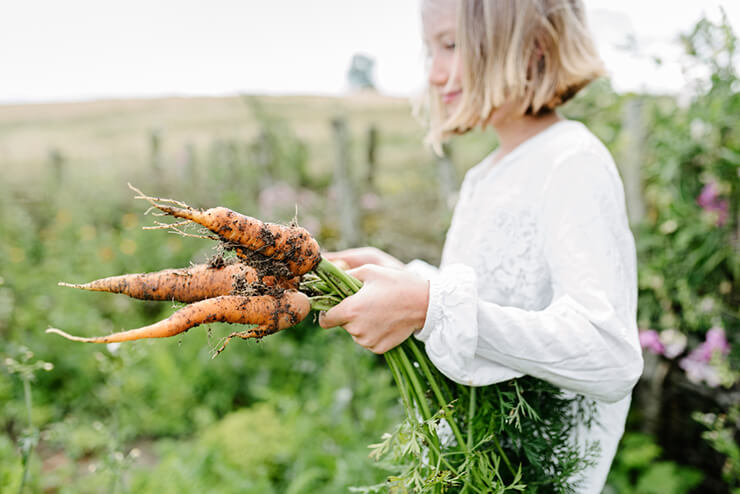
When you dig into soil, you’re not just handling minerals and organic matter—you’re holding a bustling city of life. Bacteria, fungi, protozoa, nematodes, insects, and earthworms are all part of the soil food web, a vast system where energy and nutrients cycle in a delicate balance.
Healthy soil isn’t merely fertile; it’s alive. And the more life in your soil, the more resilient and productive your garden will be.
The Invisible Majority
- Bacteria: Billions per teaspoon! They decompose organic matter and release nutrients.
- Fungi: Form networks (mycorrhizae) that expand root systems and trade nutrients for plant sugars.
- Protozoa: Tiny grazers that feed on bacteria and release plant-available nutrients.
- Nematodes: Some beneficial, some harmful—balance matters.
- Actinomycetes: Special bacteria that decompose tougher materials like cellulose, giving soil its “earthy” smell.
“Once I learned that good soil smells like fresh earth after rain, I started sniffing my compost piles. The right microbes give it away.” —Renee, Ohio
The Visible Helpers
- Earthworms: Nature’s tillers; they aerate soil and enrich it with castings.
- Beetles and ants: Break down organic matter and prey on pests.
- Springtails and mites: Small decomposers that chew organic material into microbe-sized bites.
How the Soil Food Web Works
- Plants capture energy through photosynthesis.
- Roots leak sugars into soil (root exudates) to feed microbes.
- Microbes consume sugars and multiply, fueling the web.
- Predators (protozoa, nematodes, arthropods) eat microbes and release nutrients.
- Earthworms and larger soil animals mix and transport organic matter deeper into the soil.
The result: A constant nutrient cycle that keeps soil fertile without synthetic fertilizers.
Why Soil Life Matters
- Builds soil structure and prevents compaction.
- Stores carbon and reduces greenhouse gases.
- Improves water retention and drainage.
- Defends against soil-borne diseases.
- Boosts plant growth and flavor.
Supporting the Soil Food Web
- Feed it: Add compost, mulch, and cover crops.
- Protect it: Avoid chemical pesticides and herbicides that harm soil life.
- Don’t starve it: Bare soil bakes and kills microbes—keep it covered.
- Encourage diversity: Rotate crops and include flowers to attract beneficial insects.
- Work gently: Minimize tilling, which disrupts fungal networks and microbe communities.
Zone and Seasonal Considerations
- Cold zones (3–5): Soil organisms slow in winter—protect them with mulch.
- Temperate zones (6–8): Food webs thrive—keep feeding with compost and organic matter.
- Hot/dry zones (9–12): Protect microbes from heat and drought stress with thick organic mulch.
Common Mistakes
- Over-sterilizing soil with chemicals or solarization.
- Leaving soil bare, exposing life to UV and desiccation.
- Using synthetic fertilizers excessively, which can bypass and weaken the food web.
- Expecting instant results—building a thriving soil ecosystem is gradual.
A Gardener’s Reflection
The soil food web is a reminder that gardening is a partnership. Plants aren’t alone; they live in cooperation with countless unseen allies. By tending to those allies, we nurture not only our soil but our own nourishment.
As Miguel from California said:
“Once I stopped thinking of myself as feeding plants and started thinking of myself as feeding soil life, everything changed. Bigger tomatoes, sweeter melons, and healthier trees.”
Key Takeaway: Soil life is the hidden workforce of the garden. Feed and protect the soil food web, and it will repay you with healthier soil, stronger plants, and tastier harvests.