Give a Gift
 Previous
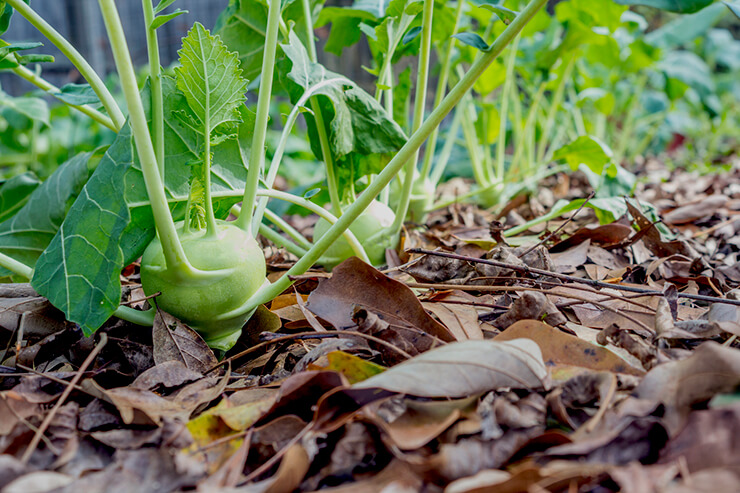
For gardeners in Zones 6–8, the soil feels like a gift. Winters are short enough to grow cover crops (or even hardy greens), summers are long enough for tomatoes, peppers, and melons, and the soil itself often seems more forgiving than in northern or southern extremes. But “moderate” doesn’t mean effortless. These zones can experience wide swings—spring downpours, summer droughts, and autumn storms—that test your soil care skills.
The good news? With steady attention, these soils can support a nearly year-round food supply.
Spring: Early Action
- Test & amend early: Soil thaws sooner than in colder zones, giving you a head start.
- Broadfork or rake lightly to loosen compaction from winter rains without heavy tillage.
- Compost top-dress: 1–2 inches across vegetable beds wakes soil biology.
- Early planting advantage: Cool-season crops like lettuce, peas, and radishes can go in weeks earlier than in Zones 3–5.
“I never realized how much time I had until I stopped waiting until May. Now my March spinach gets me a jump on the season.” —Colleen, Kentucky
Summer: Protect Against Extremes
- Mulch deeply (2–4 inches) to buffer soil against both drought and sudden heat.
- Water deeply but infrequently to encourage deep root growth.
- Side-dress mid-season: Heavy feeders (tomatoes, squash, corn) need a nutrient boost around flowering and fruit set.
- Shade for soil: Intercrop lettuce under trellised cucumbers or beans to protect soil from baking.
Fall: Extend and Enrich
- Second plantings: After early crops (garlic, peas, lettuce), amend soil and sow fall crops like kale, carrots, or broccoli.
- Cover crops: Crimson clover, oats, or winter rye recharge soil over winter.
- Leaf season advantage: Collect autumn leaves to build leaf mold or use directly as mulch.
Winter: Keep Soil Active
- Many moderate-zone soils don’t freeze deeply, meaning biology stays alive all winter.
- Cover crops: Rye, clover, or vetch keep roots in the soil and protect against erosion.
- Mulch beds: For perennials, garlic, and berries, mulch stabilizes soil moisture during freeze-thaw cycles.
- Mild harvests: With row covers or low tunnels, you can keep soil warm enough to support winter greens.
Special Soil Challenges in Moderate Zones
- Compaction from rainfall: Heavy spring rains can pack soil tight. Protect with mulch and avoid walking on wet soil.
- Nutrient leaching: Wet winters can flush nutrients away; replenish with compost each spring.
- Summer droughts: Southern areas of Zone 8 in particular face dry spells—organic matter helps soil hold onto water.
Crop Notes for Zones 6–8
- Tomatoes & peppers: Thrive with long summers—keep soil balanced with calcium and potassium.
- Corn & squash: Heavy feeders; amend with compost mid-season.
- Greens & brassicas: Flourish in cooler shoulder seasons—spring and fall.
- Garlic: Plant in fall, harvest midsummer. Soil appreciates the rotation.
Raised Beds & Containers
These zones are ideal for raised beds because the soil warms early and stays productive late.
- Refresh raised beds with compost in both spring and fall.
- Container gardens benefit from frequent feeding due to long growing seasons—compost tea every 2–3 weeks keeps them thriving.
A Gardener’s Reflection
Zones 6–8 really are a gardener’s playground. You can grow almost anything with the right soil care—lush greens in spring, juicy tomatoes in summer, crunchy carrots in fall, even spinach in winter under a bit of protection. The secret is not to get complacent. Soil here will give generously, but only if you keep replenishing what the long seasons take out.
As Hank from Tennessee said:
“I used to think I was lucky to be in Zone 7. Now I know I’m responsible, too—the soil will keep giving as long as I keep feeding it.”
Key Takeaway: In moderate climates, soil rewards steady care with almost year-round productivity. Protect it from compaction and extremes, feed with compost spring and fall, and use cover crops to keep biology alive all winter.