Give a Gift
 Previous
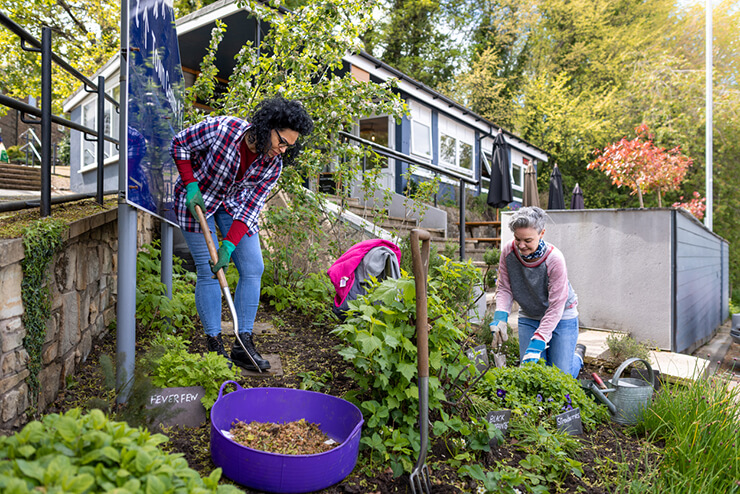
Gardening in the northern zones is not for the faint of heart. The season is short, the winters are long, and the soil often feels like it has a will of its own. Clay that freezes solid, sandy loam that dries out overnight, or rocky soils that remind you glaciers once passed through—cold-climate gardeners see it all.
But with the right care, these soils can be incredibly productive. Cool summers favor crops like peas, brassicas, carrots, and potatoes, while cold winters offer the gift of natural soil pest control. The trick is learning how to make the most of the short growing window while protecting and feeding the soil year-round.
Spring: Patience Pays
- Wait for the crumble test: Don’t rush into wet soil. If it smears instead of crumbles, it’s too early—working it will cause compaction that lingers all season.
- Warm it up: Black plastic, row covers, or even a light layer of clear plastic can help soil temperatures rise faster in spring.
- Compost boost: Add 1–2 inches of compost to give the soil a head start after its long winter nap.
“I used to push my soil too early every April. Now I wait a week longer, and my plants catch up anyway—without fighting compaction.” —Laura, Minnesota
Summer: Feeding the Intensity
- With a short growing season, plants sprint through their cycles.
- Side-dress regularly with compost tea, worm castings, or balanced organic fertilizer.
- Mulch generously to conserve water and moderate soil temperature, especially during hot spells.
- Succession planting: After peas, quickly amend and plant lettuce or kale. After early potatoes, add compost and sow fall carrots.
Fall: Bank Fertility for Next Year
- Cover crops are essential: Winter rye and hairy vetch are classic cold-zone choices. They survive freezing temps and explode with growth in spring.
- Leaf mold magic: Collect autumn leaves and pile them onto beds—they’ll break down over winter and spring into rich organic matter.
- Compost before freeze: Add finished compost in late fall; it will mellow in the soil by spring.
Winter: Protect, Don’t Forget
- Snow is insulation: Don’t see it as an enemy—snow cover keeps soil microbes warmer than bare frozen ground.
- Mulch deeply around perennials, berries, and garlic to prevent heaving during freeze-thaw cycles.
- Plan ahead indoors: Use winter downtime to map crop rotations and order amendments so you’re ready in spring.
Special Soil Challenges in Cold Zones
- Heavy clay: Common in glaciated soils. Combat with compost, gypsum (if sodium is an issue), and deep-rooting cover crops.
- Acidic soil: Many northern soils trend acidic; lime is your friend, but apply in fall so it has months to adjust pH.
- Short fertility cycle: Nutrients leach more quickly in wet springs. Add slow-release organic matter (compost, bone meal) rather than quick chemical fixes.
Crops That Love Cold-Zone Soils
- Potatoes: Thrive in loose, cool soils.
- Carrots and beets: Sweeten with cold nights.
- Cabbage, kale, broccoli: Robust in cool summers.
- Garlic: Planted in fall, harvested mid-summer.
A Gardener’s Reflection
Cold-climate soils can feel unforgiving, but they also produce some of the sweetest, most flavorful crops thanks to chilly nights and patient stewardship. The key is working with the rhythm of the seasons—feeding heavily in summer, banking fertility in fall, and letting soil rest under its snowy quilt.
As Erik from Montana put it:
“My season may be short, but my carrots are sweeter than any you’ll find in the store. That’s the payoff of cold soil done right.”
Key Takeaway: In cold climates, soil thrives when you wait for the right moment in spring, feed steadily in summer, bank nutrients in fall, and protect in winter. Patience and planning turn short seasons into big harvests.