Give a Gift
 Previous
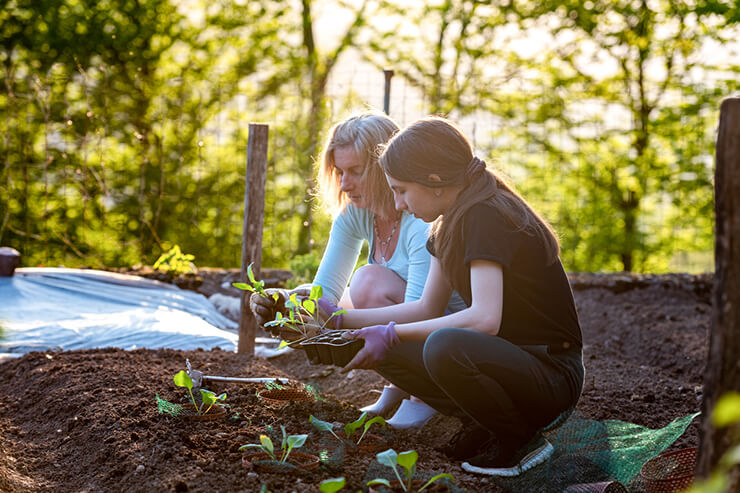
If soil could talk, it would remind us that it doesn’t live by days or hours—it lives by seasons. The rhythm of soil care follows the cycles of growth, rest, and renewal. Whether you’re tending a windowsill herb box, a cluster of raised beds, or a quarter-acre backyard farm, there are patterns that guide soil toward resilience and productivity year after year.
This final chapter pulls together the knowledge from across the book and offers a season-by-season soil care calendar, adaptable to your growing zone.
Winter (Rest and Renewal)
- Test & Plan: Winter is the perfect time to test soil pH and nutrients, then plan amendments for spring.
- Mulch & Protect: Keep beds covered with mulch, leaves, or winter cover crops to prevent erosion.
- Compost Prep: Turn your compost pile and make sure it’s insulated for cold months.
- Raised Beds & Containers: Top them off with fresh organic matter before the freeze sets in.
“I used to think winter was the off-season, but now I see it as when the soil is gathering strength. A blanket of mulch is like tucking it in for a long nap.” —Carl, Wisconsin
Spring (Awakening and Enrichment)
- Amend Generously: Add compost, worm castings, and any needed minerals before planting.
- Cover Crop Transition: Chop down and incorporate winter cover crops as green manure.
- Drainage Check: Watch for soggy spots and loosen compacted soil.
- Container Reset: Mix in fresh potting soil or swap out one-third for new organic matter.
- Herbs & Early Veg: Feed gently with compost tea for quick, leafy growth.
Summer (Growth and Protection)
- Mulch Deeply: Maintain 2–3 inches of mulch to conserve water and keep roots cool.
- Monitor Nutrients: Heavy feeders like tomatoes, peppers, and squash may need mid-season boosts (compost tea, side-dressing).
- Water Wisely: Soak deeply to encourage strong roots; avoid shallow sprinkling.
- Pest Prevention: Healthy soil supports stronger plants—keep adding organic matter to help crops resist pests naturally.
- Berry & Fruit Care: Refresh mulch under fruit trees and berry bushes to retain moisture.
“My blueberries never thrived until I kept the soil mulched all summer. Moisture made all the difference.” —Janet, Oregon
Fall (Repair and Recharge)
- Post-Harvest Feeding: Add compost and manure after crops are cleared, replenishing nutrients.
- Cover Crops: Sow rye, clover, or vetch to protect soil over winter.
- Leaf Gold: Collect fallen leaves—chop and add to compost or layer directly on garden beds.
- Raised Bed Refresh: Mix in organic matter; consider replacing tired soil every 3–4 years.
- Tree & Shrub Care: Mulch fruit trees and perennials to protect roots from frost.
Adapting by Zone
- Northern Zones (3–5): Shorter seasons mean heavier reliance on mulch and cover crops. Focus amendments in spring and fall.
- Middle Zones (6–8): Enjoy two full planting cycles; amend soil in spring and again midsummer for fall crops.
- Southern Zones (9–11): Protect soil from heat stress with mulch and drip irrigation. Fall often acts like a second spring.
The Continuous Cycle of Soil Care
Think of soil care as a loop, not a line. Each season prepares the ground for the next. The compost pile you build in autumn becomes the spring amendment. The cover crops you plant in fall shield winter soil and become green manure in spring.
Healthy soil is not a one-and-done project—it’s a lifelong relationship.
A Final Word from Your Intrepid Gardening Reporter
Soil is where every garden story begins and ends. It is the stage, the script, and the orchestra pit—all rolled into one. Treat it well, and it will reward you with food that tastes better, nourishes more deeply, and connects you to the cycles of nature.
Remember: your soil is alive. You’re not just a gardener—you’re a caretaker of one of Earth’s most important ecosystems. Whether you grow a basil pot on your balcony or a family farm in your backyard, your soil is your partner in every harvest.
So go forth, dig in, and may your hands always be dirty and your harvests always be sweet.
“Every year I say the same thing: I garden because I love food. But the truth is, I stay because I love soil.” —Maria, California
Key Takeaway: A gardener who tends soil first will never go hungry.