Give a Gift
 Previous
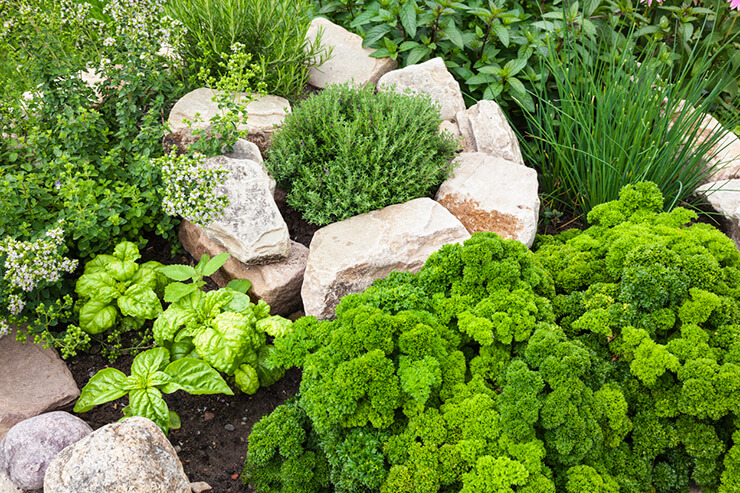
Herbs are the gateway crop for many food gardeners. They don’t take much space, they’re forgiving, and they reward you with flavors that transform meals from ordinary to extraordinary. A sprinkle of homegrown basil on pasta, a sprig of rosemary in roasted potatoes, or a handful of mint in iced tea—it’s magic.
But here’s the secret most new gardeners overlook: herbs are not one-size-fits-all when it comes to soil. The difference between sweet basil and resinous rosemary is written in their roots, and their soil preferences reflect the lands they came from.
Two Kinds of Herb Soils
Broadly speaking, culinary herbs fall into two soil-loving categories:
- Mediterranean Herbs (rosemary, thyme, oregano, sage, lavender)
- Prefer lean, well-drained soil.
- Thrive in sandy or rocky soils with good airflow.
- Too much compost or fertilizer can make them leggy and bland.
- Best pH: slightly alkaline (6.5–7.5).
- Leafy & Tender Herbs (basil, parsley, cilantro, dill, chives)
- Prefer rich, fertile soil high in organic matter.
- Like consistent moisture, but not soggy conditions.
- Respond well to compost additions and side-dressing.
- Best pH: slightly acidic to neutral (6.0–7.0).
As Helen from California says:
“I killed more rosemary with kindness than neglect. Once I stopped overfeeding and gave it sandy soil, it thrived.”
Growing Herbs in Different Settings
In-Ground
- Amend soil based on the category:
- Mediterranean → sand + lime + light compost.
- Leafy → compost + leaf mold + steady moisture.
- Plant on mounds or ridges for drainage if your soil is heavy.
Raised Beds
- Mix zones: dedicate one end to lean herbs, another to lush leafy herbs.
- Divide with a bit of sandier mix on one side, richer compost on the other.
Containers
- Perfect for herbs with specific needs.
- Mediterranean herbs do best in terracotta pots (dry out faster).
- Leafy herbs thrive in plastic or glazed pots (retain more moisture).
Seasonal Soil Care for Herbs
Spring
- Work in compost for leafy herbs.
- Refresh sandy mix for Mediterranean herbs.
- Check drainage in containers before planting.
Summer
- Mulch tender herbs to keep soil cool and moist.
- Avoid mulching Mediterranean herbs too heavily—let them breathe.
- Water deeply but less often to encourage deep roots.
Fall
- Add a thin compost layer around parsley and chives to fuel winter growth.
- For rosemary or thyme, keep soil lean and avoid soggy conditions as rains come.
Winter
- In cold zones, pot up tender herbs and bring them indoors.
- In warm zones, trim herbs lightly to encourage steady growth.
Herb-Specific Soil Tips
- Basil: Loves compost-rich, moist soil. Don’t let it dry out or it will bolt.
- Cilantro: Prefers cooler soil; amend with compost but avoid heavy feeding.
- Mint: Will grow in anything (and everywhere!). Best in containers with compost-rich soil to control spread.
- Rosemary: Needs excellent drainage. Mix sand or perlite into the soil.
- Parsley: Heavy feeder—top-dress with compost mid-season.
- Chives: Tolerant but thrive in fertile, moist soil.
Common Herb Soil Problems
- Yellow basil leaves → Not enough nitrogen; add compost tea.
- Woody, flavorless rosemary → Soil too rich; ease off compost.
- Cilantro bolts early → Soil too warm/dry; plant successions, mulch to cool roots.
- Mint invades everything → Containerize it!
A Gardener’s Reflection
Herbs are storytellers. Rosemary whispers of dry Mediterranean hillsides, while basil shouts of rich river valleys. When you match their soil to their origins, they thrive—and in turn, they enrich your kitchen.
As Paul from Kentucky put it:
“When my basil thrived, I felt like a gardener. When my rosemary finally survived the winter, I felt like a farmer.”
Key Takeaway: Herbs may be small plants, but their soil preferences are mighty. Match your soil to their heritage—lean for Mediterranean herbs, rich for leafy herbs—and you’ll harvest fragrance and flavor all season long.