×
  • Home
  • Daily
    • Buyers Guides
    • Composting
    • Container Gardening
    • Easy Healthy Recipes
    • Food Preservation
    • Garden Design
    • Garden Tools
    • Gardening LIfe
      • Animals in the Garden
      • Funny Business
      • Gardening History
      • Gardening Humor
      • Gardening Mishaps
      • Gardening Poems
      • Gardening Romance
      • Gardening Science
      • Gardening with Kids
      • Healing Gardens
      • Joy of Gardening
      • Mystical Gardens
      • Ornamental Gardening
    • Growing Fruits & Berries
    • Indoor Gardening
    • Pests & Diseases
    • Seeds & Seedlings
    • Soil & Fertilizer
    • Spice & Herb Gardening
    • Vegetable Gardening
    • Watering & Irrigation
  • Freebies
  • Videos
  • Libraries
    • Food Gardening Magazine
    • GreenPrints Magazine
    • RecipeLion Magazine
    • GuideBooks
    • Cookbooks
      • Beverages
      • Bakery
      • Breakfast
      • Appetizers
      • Salads & Dressings
      • Soups
      • Entrées
      • Side Dishes & Sauces
      • Desserts
    • Story Collections
    • StoryBooks
    • Recipe Collections
  • Kits
    • Garden Calendars
    • Garden Plans
    • Recipe Cards
    • Greeting Cards
    • ArtPrints
  • Book Club
  • About Us
  • Contact Us
  • Affiliate Program
  • Sponsor Program
  • Give a Gift
  • Privacy Policy & Terms of Use
  • Authors
  • GreenPrints Writer’s Guidelines
  • Keyword Index
  • Join
Crochet, Food Gardening, Knitting, Quilting, Rug Hooking, Sewing

Food Gardener's Book Club

Give a GiftJoin
Visit Our Amazon Store!
  • Daily
    • Buyers Guides
    • Composting
    • Container Gardening
    • Easy Healthy Recipes
    • Food Preservation
    • Garden Design
    • Garden Tools
    • Gardening Life
      • Animals in the Garden
      • Funny Business
      • Gardening History
      • Gardening Humor
      • Gardening Mishaps
      • Gardening Poems
      • Gardening Romance
      • Gardening Science
      • Gardening with Kids
      • Healing Gardens
      • Joy of Gardening
      • Mystical Gardens
      • Ornamental Gardening
    • Growing Fruits & Berries
    • Indoor Gardening
    • Pests & Diseases
    • Seeds & Seedlings
    • Soil & Fertilizer
    • Spice & Herb Gardening
    • Vegetable Gardening
    • Watering & Irrigation
  • Freebies
  • Videos
  • Libraries
    • Food Gardening Magazine
    • GreenPrints Magazine
    • RecipeLion Magazine
    • GuideBooks
    • Cookbooks
      • Beverages
      • Bakery
      • Breakfast
      • Appetizers
      • Salads & Dressings
      • Soups
      • Entrées
      • Side Dishes & Sauces
      • Desserts
    • Story Collections
    • StoryBooks
    • Recipe Collections
  • Kits
    • Garden Calendars
    • Garden Plans
    • Recipe Cards
    • Greeting Cards
    • ArtPrints
  • Book Club
  • Visit Our Amazon Store!|
  • Sign In
  • Search

Fall: Putting the Garden to Bed

Book Club: Soil Care Secrets A to Z

arrow-left Previous
Next arrow-right

Fall: Putting the Garden to Bed

By Don Nicholas

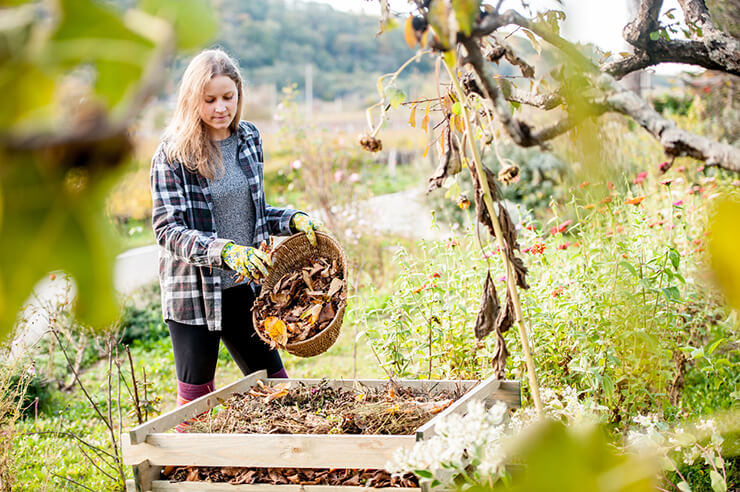
By the time autumn rolls in, gardeners have baskets of tomatoes, jars of pickles, and maybe a little fatigue in their bones. But while the gardener deserves a rest, the soil deserves a thoughtful send-off. Fall is the season to tuck the garden in, replenish what was taken, and set the stage for next year’s success.

Think of it this way: just as a farmer wouldn’t stable a horse without feeding and grooming it, a gardener shouldn’t leave soil bare and depleted going into winter.

Step 1: Clear (But Don’t Strip)

  • Remove spent crops, especially diseased plants (tomato blight, powdery mildew).
  • Chop healthy plants and leave roots in the ground—decaying roots improve soil structure and feed microbes.
  • Add plant tops to the compost pile or chop-and-drop as mulch.

“The year I started leaving roots in the ground, I saw twice as many worms by spring.” —Janet, Minnesota

Step 2: Test and Amend

Fall is an ideal time to test soil because you can amend months ahead of planting.

  • If acidic → Add lime (takes months to work).
  • If alkaline → Add sulfur to lower pH gradually.
  • For fertility → Add compost, manure, or leaf mold to recharge nutrients.

Step 3: Add Compost and Mulch

  • Spread 1–2 inches of compost over garden beds.
  • Top with a thick mulch layer: straw, shredded leaves, or wood chips.
  • Mulch protects soil from erosion, feeds microbes slowly, and insulates overwintering roots.

Step 4: Sow Cover Crops

Cover crops are living blankets that prevent erosion and add nutrients.

  • Cold zones (3–5) → Winter rye, hairy vetch.
  • Moderate zones (6–8) → Crimson clover, oats, field peas.
  • Warm zones (9–12) → Cowpeas, buckwheat (for fall planting), or clover mixes.

Mow or cut back in spring before they set seed, then work gently into the soil or leave as mulch.

Step 5: Protect Perennials

  • Add extra mulch around berry crowns, asparagus, rhubarb, and garlic plantings.
  • For fruit trees, refresh the mulch ring around the drip line.
  • In snowy areas, mulch doubles as insulation; in mild climates, it keeps roots moist and weed-free.

Step 6: Plan for Next Year

Fall is also the time to look ahead:

  • Rotate crops—don’t plant the same family in the same bed year after year.
  • Note problem spots (compaction, poor drainage) and plan amendments.
  • Consider expanding raised beds or refreshing container mixes over winter.

Raised Beds & Containers in Fall

  • Raised beds: Add 2 inches of compost and mulch. Plant cover crops if possible.
  • Containers: Empty annual plantings, compost the soil, and store pots under cover. For larger containers, refresh 50% of soil before spring.

Common Fall Soil Mistakes

  • Leaving soil bare → Leads to erosion, nutrient loss, and compaction.
  • Over-tilling → Destroys soil structure before winter.
  • Skipping compost → Plants “withdraw” nutrients all summer; fall is payback time.

A Gardener’s Reflection

There’s a peaceful rhythm to fall soil care: pulling spent plants, spreading compost, laying down mulch, and sowing covers. It feels like tucking a child in at night—soil included. You rest easier knowing the garden is snug and ready for a fresh start in spring.

As Leo from Maine told me:

“When I walk by my mulched beds under the snow, I don’t see an empty garden. I see next year’s abundance waiting.”

Key Takeaway: Fall is the time to repay the soil for its hard work. Clear gently, amend with compost, mulch heavily, and sow cover crops. Put the soil to bed well, and it will wake in spring ready to thrive.


arrow-left Previous
Next arrow-right

Tags

compost pile, gardener, garlic, leaf mold, overwintering, the compost

Comments

Click here to cancel reply.

Leave a Reply Cancel reply

Your email address will not be published. Required fields are marked *

TABLE OF CONTENTS

  • Healthy Soil for a Bountiful Harvest
  • What Is Soil, Really?
  • Why Healthy Soil Means Healthy Food
  • The A-to-Z of Soil Health
  • Testing Your Soil: The Gardener’s Report Card
  • Amending Existing Soil: Fix, Don’t Fight
  • Building Soil from Scratch: Raised Beds and Containers
  • Organic Principles for Food Gardeners
  • In-Ground Gardens: Working with the Soil You’ve Got
  • Raised Beds: Soil Layering, Refreshing, and Renewal
  • Containers: Small Spaces, Big Potential
  • Herbs: Fragrant and Flavorful in Any Soil
  • Vegetables: Feeding the Family
  • Fruit Trees: Soil for the Long Haul
  • Berries: Sweet Soil Secrets
  • Spring: Waking the Soil
  • Summer: Feeding the Feast
  • Fall: Putting the Garden to Bed
  • Winter: Rest, Reflect, Rebuild
  • Soil Care in Cold Climates (Zones 3–5)
  • Soil Care in Moderate Climates (Zones 6–8)
  • Soil Care in Warm & Tropical Climates (Zones 9–12)
  • Composting A to Z
  • Cover Crops and Green Manure
  • Mulching Matters
  • Crop Rotation and Soil Balance
  • Water, Drainage, and Soil Health
  • Soil pH and Mineral Balance
  • Soil Life and the Food Web
  • Soil Troubleshooting Guide A to Z
  • Putting It All Together — A Year in the Life of Healthy Soil
  • A Gardener’s Promise

Enter Your Log In Credentials

This setting should only be used on your home or work computer.

  • Lost your password? Create New Password
  • No account? Sign up

Need Assistance?

Call Food Gardening Network Customer Service at
(800) 777-2658

Food Gardening Network is an active member of the following industry associations:

  • American Horticultural Society
  • GardenComm Logo
  • GardenComm Laurel Media Award
  • MCMA logo
  • Join Now
  • Learn More
  • About Food Gardening Network
  • Contact Us
  • Affiliate Program
  • Sponsor Program
  • Give a Gift
  • Privacy Policy & Terms of Use
  • Food Gardener’s Book Club FAQ

Food Gardening Network
99 Derby Street, Suite 200
Hingham, MA 02043
support@foodgardening.mequoda.com

To learn more about our Email Marketing and Broadcasting Services, Exchange Program, or to become a marketing partner with any of our publications, click here to contact us at Mequoda Publishing Network.

FREE E-Newsletter for You!

Discover how to grow, harvest, and eat good food from your own garden—with our FREE e-newsletter, delivered directly to your email inbox.

  • Facebook
  • Twitter
  • Instagram
  • Pinterest

Powered by
Mequoda Publishing Network
copyright © 2026 Mequoda Systems, LLC

Food Gardening Network®, Food Gardening Magazine® and GreenPrints® are registered trademarks of Mequoda Systems, LLC.