Give a Gift
 Previous
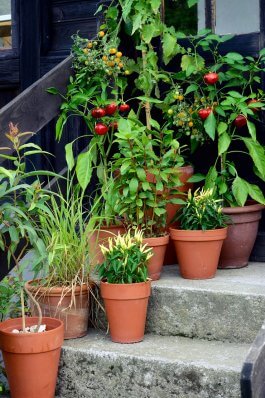
Not everyone has a backyard or a patch of land to cultivate, but every gardener has at least one thing in common: a container is always an option. Whether it’s a patio pot of basil, a balcony tomato, or a windowsill full of parsley, container gardening proves that soil can thrive anywhere—even where there isn’t any soil to begin with.
I’ll never forget my first container success. It wasn’t fancy: just a plastic pot, a scoop of potting soil, and a basil seedling. But when I plucked those fragrant leaves for homemade pizza, I realized something profound: small soil spaces can deliver big flavor.
Why Containers Work
- Flexibility: You can garden on balconies, rooftops, porches, or even indoors.
- Control: You choose the soil mix, ensuring it’s clean, fertile, and organic.
- Mobility: Move pots to chase sun or shelter from storms.
- Scalability: Start with one pot of herbs and grow into a patio jungle.
As Dana from New York told me:
“My fire escape garden isn’t big, but it’s big enough to keep me in fresh mint for mojitos all summer long.”
Soil for Containers: Don’t Use “Dirt”
This is where many beginners stumble. Garden soil—especially clay or sandy loam—is too heavy for containers. It compacts, drains poorly, and suffocates roots. Containers need a specially built soil mix.
Container Soil Recipe (by volume):
- 50% high-quality potting soil (peat or coir base)
- 30% compost (nutrients and biology)
- 20% aeration material (perlite, vermiculite, coarse sand, or pumice)
Optional Boosts:
- Worm castings for a gentle nutrient kick.
- Biochar for long-term fertility.
- Slow-release organic fertilizer pellets (tomatoes especially love them).
Matching Mix to Crops
- Leafy greens (lettuce, spinach, arugula) → Compost-heavy mix for steady nitrogen.
- Root crops (carrots, radishes, beets) → Looser mix with extra sand for straight roots.
- Tomatoes & peppers → Add lime or crushed eggshells for calcium to prevent blossom end rot.
- Herbs → Mediterranean herbs (rosemary, thyme, oregano) prefer drier, leaner soil; basil and parsley like richer mixes.
- Strawberries → Slightly acidic soil with compost and pine needle mulch.
Container Care: Soil Maintenance
Unlike in-ground soil, container soil has limits—it can’t endlessly recycle nutrients or rebuild itself. That means a gardener has to step in.
- Top-dress every season: Add a layer of compost on top of old soil before planting.
- Replace 20–30% yearly: Remove some soil, refresh with new mix and compost.
- Full reset every 3–4 years: Empty containers, clean thoroughly, and rebuild the mix.
- Fertilize lightly, more often: Containers leach nutrients faster with watering. Use compost tea, diluted fish emulsion, or kelp spray.
Watering Wisdom
Containers dry out faster than garden beds, especially in summer.
- Water until excess drains from the bottom.
- Mulch the surface with straw, shredded leaves, or even decorative stones to hold moisture.
- Self-watering containers or drip irrigation save headaches (and plants).
“I lost every pot one July because I didn’t realize how fast they dry out. Now I mulch my containers and use saucers—I haven’t missed a salad since.” —Terry, Arizona
Size Matters
- Small pots (<1 gallon): Good for herbs like thyme or chives.
- Medium (2–5 gallons): Great for lettuce, peppers, dwarf tomatoes.
- Large (10+ gallons): Needed for full-size tomatoes, potatoes, or fruit shrubs.
- Extra-large (15–20 gallons): Small fruit trees, blueberries, or multiple crops together.
Common Container Soil Problems
- Compaction → Refresh soil with aeration materials.
- Yellowing leaves → Add balanced organic fertilizer; check drainage.
- White crust on soil surface → Salt buildup from fertilizers. Flush soil with clean water occasionally.
- Roots circling the pot → Time to upsize or prune roots.
A Gardener’s Reflection
Container soil is a living system on a leash—it thrives if you feed, water, and refresh it, but it doesn’t have the freedom of open ground. The reward? Fresh food steps from your kitchen door, no matter how small the space.
As I like to say: “If you can lift a pot, you can grow a garden.”
Key Takeaway: Container gardening may look small, but the soil inside needs big care. Build the right mix, refresh it regularly, and your harvests will prove that good soil can thrive anywhere—even on a balcony or windowsill.