Give a Gift
 Previous
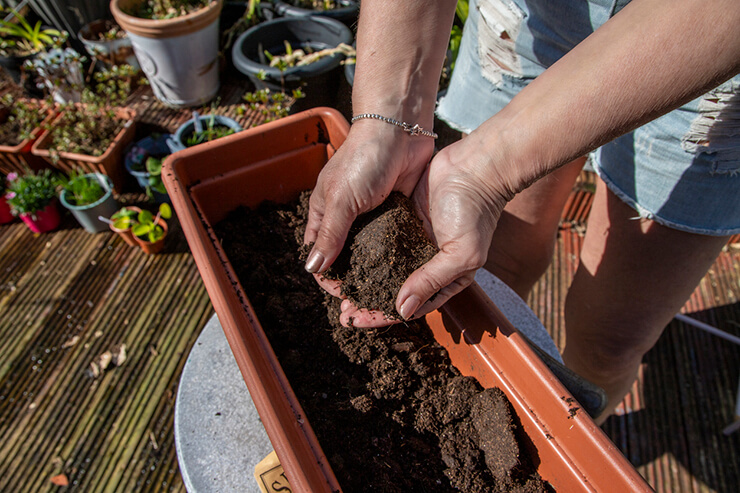
Sometimes, amending existing soil feels like teaching an old dog new tricks. It can be done, but it takes time, patience, and persistence. For many food gardeners—especially those in urban or suburban areas with poor or contaminated native soil—starting from scratch is the smarter option. Raised beds and containers allow you to build the soil you want, with the ingredients you choose, right from the beginning.
Why Start Fresh?
- Poor native soil: Heavy clay, depleted sand, or rocky fill from construction.
- Contamination concerns: Lead, chemicals, or pollutants—especially near old houses or roadways.
- Convenience: Raised beds and containers are easier to manage, especially for people with limited mobility.
- Control: You decide what goes in, ensuring your soil is fertile, safe, and organic.
As Janice from Michigan told me:
“I gardened for years in ground that never produced more than spindly beans. When I built raised beds and filled them with my own mix, it was like flipping a switch—suddenly I had more lettuce than I could eat.”
Raised Beds: Building a Soil Foundation
Raised beds give you space to create deep, rich soil without battling what’s beneath.
The Basic Recipe (per 4×8 bed, 12 inches deep):
- 40% topsoil (screened, chemical-free if possible)
- 40% compost (homemade or purchased—diverse sources are best)
- 20% aeration material (coarse sand, perlite, or coconut coir)
Optional Enhancements:
- A handful of rock dust for minerals.
- Worm castings for biology.
- A sprinkle of organic fertilizer tailored to your crops.
Tips for Success:
- Refresh soil each year with 1–2 inches of compost on top.
- Rotate crops to prevent nutrient depletion.
- After 3–5 years, consider partially replacing soil if it compacts or loses vigor.
Containers: Soil in Small Spaces
Container gardens bring food production to porches, balconies, patios, and even windowsills. But here’s the trick: you can’t just shovel dirt into a pot. Garden soil is too heavy, compacts easily, and drains poorly in confined spaces.
Container Mix Recipe:
- 50% high-quality potting soil (peat- or coir-based)
- 30% compost (for fertility)
- 20% aeration (perlite, vermiculite, or coarse sand)
Crop-Specific Tweaks:
- Leafy greens → Add extra compost for nitrogen.
- Tomatoes & peppers → Add crushed eggshells or lime for calcium.
- Root crops → Use a looser mix with extra sand for better root development.
Maintenance: Keeping Fresh Soil Fresh
Raised bed and container soils don’t last forever. Nutrients get used up, and organic matter breaks down. Here’s how to keep things thriving:
- Top-dress with compost every season.
- Mulch containers just like garden beds to conserve moisture.
- Replace 20–30% of soil in containers each year to prevent compaction and disease buildup.
- Flush containers occasionally to wash out salts that build up from organic fertilizers.
When to Choose Raised Beds vs. Containers
- Raised beds: Best for families wanting a larger harvest—vegetables, herbs, even dwarf fruit trees.
- Containers: Perfect for small spaces, renters, and people just dipping a toe into food gardening.
As Miguel from Arizona puts it:
“I started with one container of basil on my balcony. Now I’ve got six raised beds in the backyard. The containers gave me the confidence to go bigger.”
A Gardener’s Reflection
Starting fresh with soil doesn’t mean giving up—it means giving yourself a fair shot. Whether you’re filling a single pot or a dozen raised beds, building soil from scratch is like laying the foundation for a house: once it’s strong, you can build anything on top of it.
Key Takeaway: Raised beds and containers let you take control of soil from day one. Build it right, feed it regularly, and it will reward you with harvests that prove fresh soil is worth the effort.