×
  • Home
  • Daily
    • Buyers Guides
    • Composting
    • Container Gardening
    • Easy Healthy Recipes
    • Food Preservation
    • Garden Design
    • Garden Tools
    • Gardening LIfe
      • Animals in the Garden
      • Funny Business
      • Gardening History
      • Gardening Humor
      • Gardening Mishaps
      • Gardening Poems
      • Gardening Romance
      • Gardening Science
      • Gardening with Kids
      • Healing Gardens
      • Joy of Gardening
      • Mystical Gardens
      • Ornamental Gardening
    • Growing Fruits & Berries
    • Indoor Gardening
    • Pests & Diseases
    • Seeds & Seedlings
    • Soil & Fertilizer
    • Spice & Herb Gardening
    • Vegetable Gardening
    • Watering & Irrigation
  • Freebies
  • Videos
  • Libraries
    • Food Gardening Magazine
    • GreenPrints Magazine
    • RecipeLion Magazine
    • GuideBooks
    • Cookbooks
      • Beverages
      • Bakery
      • Breakfast
      • Appetizers
      • Salads & Dressings
      • Soups
      • Entrées
      • Side Dishes & Sauces
      • Desserts
    • Story Collections
    • StoryBooks
    • Recipe Collections
  • Kits
    • Garden Calendars
    • Garden Plans
    • Recipe Cards
    • Greeting Cards
    • ArtPrints
  • Book Club
  • About Us
  • Contact Us
  • Affiliate Program
  • Sponsor Program
  • Give a Gift
  • Privacy Policy & Terms of Use
  • Authors
  • GreenPrints Writer’s Guidelines
  • Keyword Index
  • Join
Crochet, Food Gardening, Knitting, Quilting, Rug Hooking, Sewing

Food Gardener's Book Club

Give a GiftJoin
Visit Our Amazon Store!
  • Daily
    • Buyers Guides
    • Composting
    • Container Gardening
    • Easy Healthy Recipes
    • Food Preservation
    • Garden Design
    • Garden Tools
    • Gardening Life
      • Animals in the Garden
      • Funny Business
      • Gardening History
      • Gardening Humor
      • Gardening Mishaps
      • Gardening Poems
      • Gardening Romance
      • Gardening Science
      • Gardening with Kids
      • Healing Gardens
      • Joy of Gardening
      • Mystical Gardens
      • Ornamental Gardening
    • Growing Fruits & Berries
    • Indoor Gardening
    • Pests & Diseases
    • Seeds & Seedlings
    • Soil & Fertilizer
    • Spice & Herb Gardening
    • Vegetable Gardening
    • Watering & Irrigation
  • Freebies
  • Videos
  • Libraries
    • Food Gardening Magazine
    • GreenPrints Magazine
    • RecipeLion Magazine
    • GuideBooks
    • Cookbooks
      • Beverages
      • Bakery
      • Breakfast
      • Appetizers
      • Salads & Dressings
      • Soups
      • Entrées
      • Side Dishes & Sauces
      • Desserts
    • Story Collections
    • StoryBooks
    • Recipe Collections
  • Kits
    • Garden Calendars
    • Garden Plans
    • Recipe Cards
    • Greeting Cards
    • ArtPrints
  • Book Club
  • Visit Our Amazon Store!|
  • Sign In
  • Search

Amending Existing Soil: Fix, Don’t Fight

Book Club: Soil Care Secrets A to Z

arrow-left Previous
Next arrow-right

Amending Existing Soil: Fix, Don’t Fight

By Don Nicholas

If there’s one universal truth about gardening, it’s this: none of us start with perfect soil. Maybe yours is sticky clay that clumps on your shovel. Maybe it’s sandy grit that drains water faster than a colander. Or maybe it’s compacted ground that looks more like a parking lot than a vegetable patch.

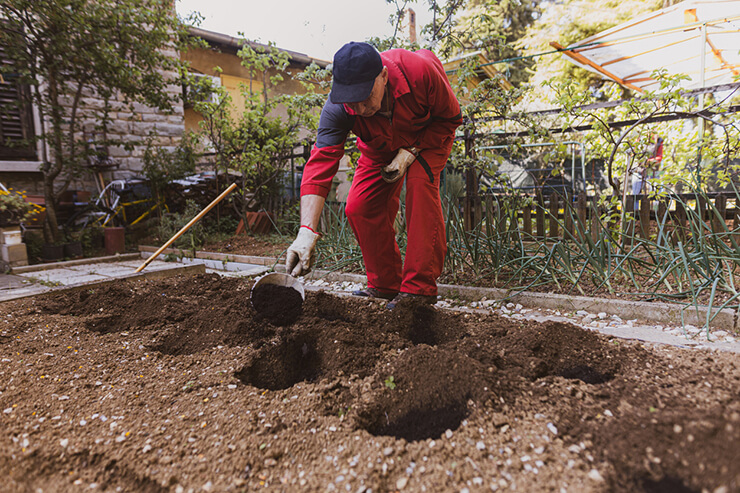
Here’s the good news: you don’t have to throw up your hands or replace everything. Soil can be improved. With patience and the right amendments, any soil can be coaxed into supporting delicious, nutritious harvests. The key is not to fight what you have, but to fix it—little by little, season by season.

Know What You’re Working With

Before you start hauling in bags of compost or sand, take a step back. What’s the natural tendency of your soil?

  • Clay soil: Rich in nutrients, but slow to drain. Needs loosening with organic matter.
  • Sandy soil: Drains quickly, often low in fertility. Needs organic matter to hold nutrients.
  • Silty soil: Fertile but can crust or compact. Benefits from structure-building amendments.
  • Mixed soils: Most of us have a bit of everything.

This is where your soil test (Chapter 4) pays off—it gives you the roadmap.

The Golden Amendment: Organic Matter

If you remember only one soil amendment, make it this: organic matter is the universal fixer.

  • In clay, it loosens and lightens.
  • In sand, it helps hold water and nutrients.
  • In silt, it improves structure and aeration.

Organic matter can be:

  • Compost (homemade or purchased)
  • Aged manure
  • Shredded leaves
  • Grass clippings (in thin layers)
  • Straw or hay (seed-free if possible)

As Louise from Maine told me:

“I thought my clay soil was hopeless. Three years of adding compost, and suddenly I had carrots that didn’t look like pretzels.”

Targeted Amendments

Sometimes organic matter needs a little help. Here are fixes for common soil issues:

  • Too acidic (low pH) → Add lime or wood ash in small doses.
  • Too alkaline (high pH) → Add elemental sulfur or peat moss.
  • Poor drainage → Mix in coarse sand, perlite, or gypsum along with compost.
  • Low fertility → Try organic fertilizers like bone meal (phosphorus), blood meal (nitrogen), or kelp meal (potassium & micronutrients).
  • Compaction → Double-digging once, then annual additions of mulch and compost.

Don’t Overdo It

It’s tempting to think, “If a little compost is good, a lot must be better.” Not always. Adding too much fresh manure can burn plants. Over-liming can lock up nutrients. Over-fertilizing can create imbalances. Think of amending soil like seasoning food: better to sprinkle and taste than dump in the whole jar.

Timing Matters

  • Spring: Add compost or organic fertilizer as you prep beds.
  • Summer: Side-dress with compost tea or worm castings to keep plants thriving.
  • Fall: Work in leaves, cover crops, or a thick mulch layer to decompose over winter.

This seasonal rhythm keeps your soil improving year after year.

A Gardener’s Reflection

I once visited a neighbor who was frustrated because her raised bed soil “just wasn’t right.” She was ready to shovel it all out and start over. Instead, I encouraged her to start amending with compost and cover crops. A year later, she called me over to show off a basket of tomatoes and cucumbers. She grinned and said, “Turns out I didn’t need new soil—I just needed to give mine a second chance.”

Key Takeaway: Don’t fight your soil. Learn its strengths, amend its weaknesses, and let time do the heavy lifting. With steady organic care, even the toughest soil can become fertile ground.


arrow-left Previous
Next arrow-right

Tags

aged manure, amending soil, bags of compost, bed soil, blood meal, bone meal, carrots, compost tea, fertilizer, kelp meal, organic fertilizer, raised bed soil, tomatoes, worm castings

Comments

Click here to cancel reply.

Leave a Reply Cancel reply

Your email address will not be published. Required fields are marked *

TABLE OF CONTENTS

  • Healthy Soil for a Bountiful Harvest
  • What Is Soil, Really?
  • Why Healthy Soil Means Healthy Food
  • The A-to-Z of Soil Health
  • Testing Your Soil: The Gardener’s Report Card
  • Amending Existing Soil: Fix, Don’t Fight
  • Building Soil from Scratch: Raised Beds and Containers
  • Organic Principles for Food Gardeners
  • In-Ground Gardens: Working with the Soil You’ve Got
  • Raised Beds: Soil Layering, Refreshing, and Renewal
  • Containers: Small Spaces, Big Potential
  • Herbs: Fragrant and Flavorful in Any Soil
  • Vegetables: Feeding the Family
  • Fruit Trees: Soil for the Long Haul
  • Berries: Sweet Soil Secrets
  • Spring: Waking the Soil
  • Summer: Feeding the Feast
  • Fall: Putting the Garden to Bed
  • Winter: Rest, Reflect, Rebuild
  • Soil Care in Cold Climates (Zones 3–5)
  • Soil Care in Moderate Climates (Zones 6–8)
  • Soil Care in Warm & Tropical Climates (Zones 9–12)
  • Composting A to Z
  • Cover Crops and Green Manure
  • Mulching Matters
  • Crop Rotation and Soil Balance
  • Water, Drainage, and Soil Health
  • Soil pH and Mineral Balance
  • Soil Life and the Food Web
  • Soil Troubleshooting Guide A to Z
  • Putting It All Together — A Year in the Life of Healthy Soil
  • A Gardener’s Promise

Enter Your Log In Credentials

This setting should only be used on your home or work computer.

  • Lost your password? Create New Password
  • No account? Sign up

Need Assistance?

Call Food Gardening Network Customer Service at
(800) 777-2658

Food Gardening Network is an active member of the following industry associations:

  • American Horticultural Society
  • GardenComm Logo
  • GardenComm Laurel Media Award
  • MCMA logo
  • Join Now
  • Learn More
  • About Food Gardening Network
  • Contact Us
  • Affiliate Program
  • Sponsor Program
  • Give a Gift
  • Privacy Policy & Terms of Use
  • Food Gardener’s Book Club FAQ

Food Gardening Network
99 Derby Street, Suite 200
Hingham, MA 02043
support@foodgardening.mequoda.com

To learn more about our Email Marketing and Broadcasting Services, Exchange Program, or to become a marketing partner with any of our publications, click here to contact us at Mequoda Publishing Network.

FREE E-Newsletter for You!

Discover how to grow, harvest, and eat good food from your own garden—with our FREE e-newsletter, delivered directly to your email inbox.

  • Facebook
  • Twitter
  • Instagram
  • Pinterest

Powered by
Mequoda Publishing Network
copyright © 2026 Mequoda Systems, LLC

Food Gardening Network®, Food Gardening Magazine® and GreenPrints® are registered trademarks of Mequoda Systems, LLC.