

 Give a Gift
 Previous

Fresh fruit, plucked from a tree, is magical. Picking that sun-ripened, juicy peach right off the branch and biting into the soft, fuzzy fruit is the essence of a hot summer day. Wouldn’t it be nice if you could do that? But trees take years to grow, right? Not necessarily! These fast-growing fruit trees could bear tasty gifts for you in as little as two years.
Yep. Depending on what you grow, some fruit trees will bear fruit in no time. Since we’re talking about outdoor trees specifically, though, where you live is very instrumental in determining what you can grow. The United States Forest Service has a nice map where you can check your hardiness zone.
For instance, apple trees need some cool weather to thrive, so if you’re in Florida, you can scratch that one off your list. And, unfortunately, those of us in the north aren’t going to have much luck with a mandarin tree. But let’s not get ahead of ourselves.
Easy-going, fast-growing fruit trees for the beginner
One last thing before we get going here – there is no such thing as fast-growing fruit trees if you plan to grow them from seed. It’s a somewhat complex operation, and in most cases, you’re looking at five years at least before you can expect to get any fruit. It’s much easier to spend a little extra for young trees that are already on their way to maturity.
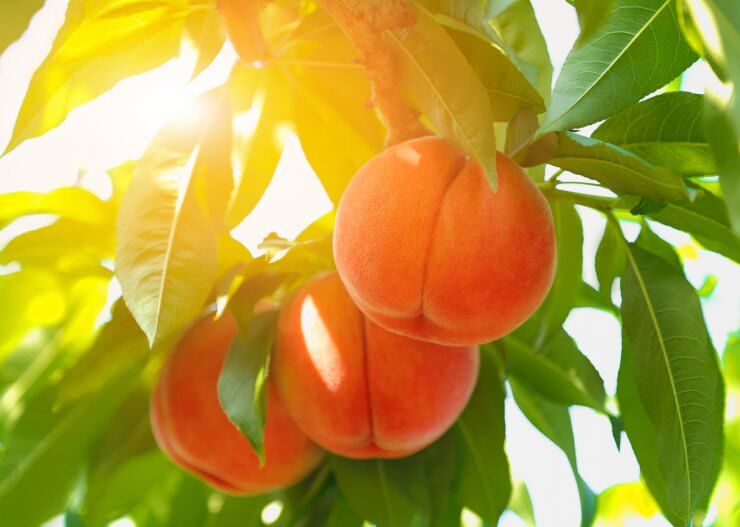
1. Peach Trees. Peach trees will grow in most of the U.S. and will begin bearing fruit in about two years. These trees self-pollinate and can reach about 25-feet tall.
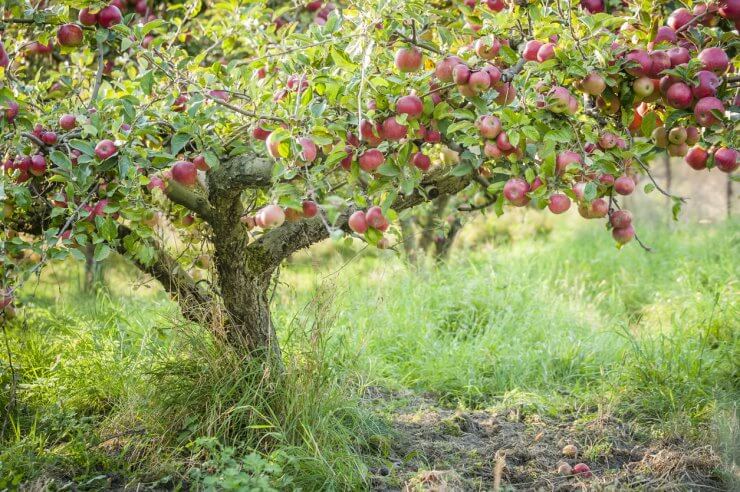
2. Apple Trees. Did you know there are around 2,500 varieties of apples that grow in the U.S.? You certainly wouldn’t if you’ve only gone to the grocery store. I think the last time I was there, they had about six varieties. As for growing apple trees, dwarf and semi-dwarf varieties will produce fruit in two or three years.
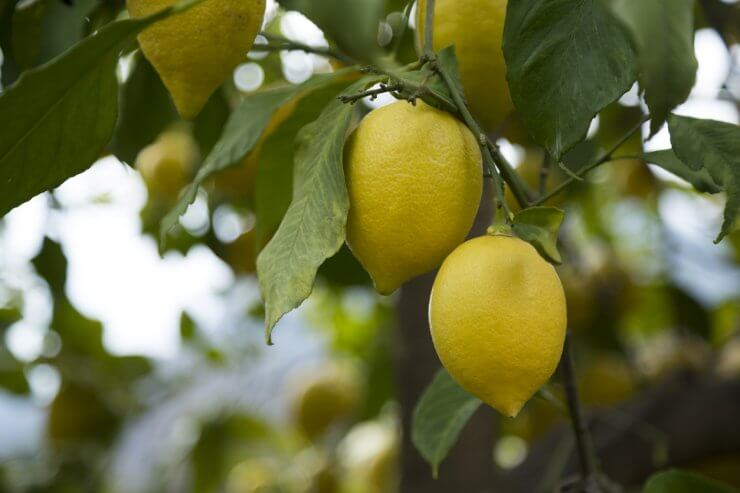
3. Lemon Trees. Do lemon trees belong on a list of fast-growing fruit trees? There is a fair amount of conflicting information out there, but most sources agree that the Meyer lemon tree will produce fruit in two to three years. One thing is for sure, unless you’re in the south or southwest, you can forget about growing a lemon tree outdoors. Temperatures below 29 degrees will be the end of your tree.
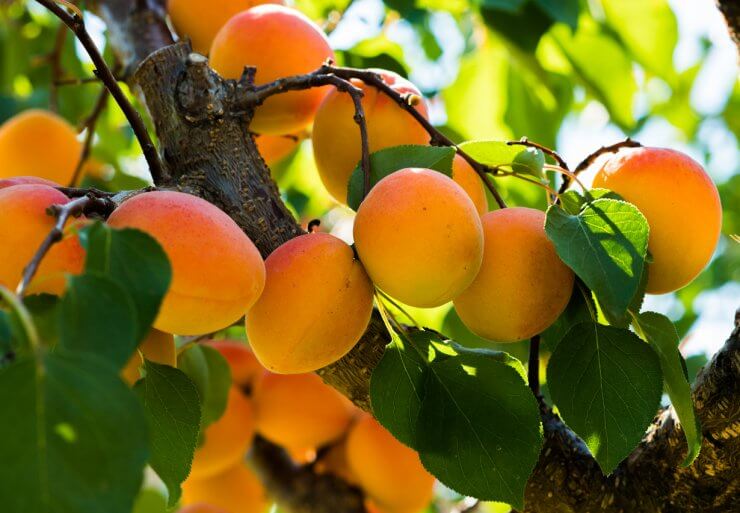
4. Apricot Trees. You can grow apricot trees in much of the U.S. In fact, they like a little chill now and then. Apricot trees can be self-pollinating, but cross-pollination will produce more fruit. They’ll produce fruit in three to four years in most cases.
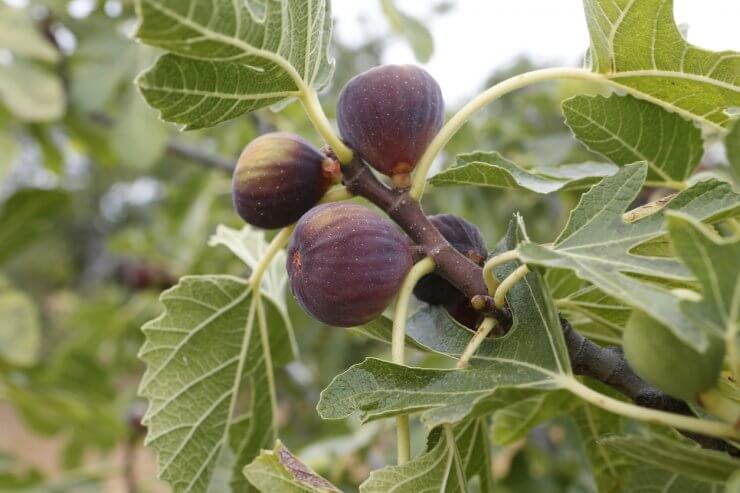
5. Fig Trees. If your idea of a fig is from Fig Newton cookies, you are truly missing out. Fresh figs must be one of the most luxurious fruits out there. You can grow fig trees across the southern half of the continental U.S., as well as into some areas of the northwest coast. A fig tree will produce fruit in three to five years.
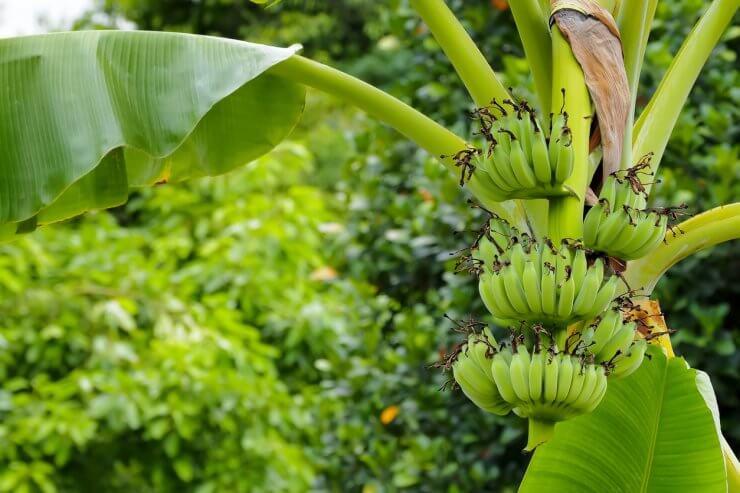
Bonus! Banana Trees. Technically, bananas are not fast-growing fruit trees; they’re actually fast-growing perennial herbs. Admittedly, they do look like trees, but since they never develop a wooden trunk, they are classified as herbs. They are gorgeous plants and can grow quite tall and wide—up to 25-feet tall with broad, abundant foliage. Some banana plants will produce fruit in about nine months. As you might guess, of course, this wonderful fruit is tropical in nature, and therefore will only grow in the very southern portions of the U.S.
There you have it. Now, who’s ready to start an orchard?
Do you grow any fruit trees? What would you suggest for beginners?
Note: Food Gardening Network contains links to affiliate websites including Amazon and Rakuten Affiliate Network and we may receive a commission for any eligible purchases made by you through links on this page.




Can you grow peach, fig, lemon, banana, apricot in a large pot. We have 100° summers but can have a couple days of freezing.tired if Losing older fruit bearing trees to freezes. Want to move in during freezes.
Yes – all of these can be grown in a pot.
Do bears eat lemons?
Yes, bears can eat lemons, although it’s not a common or primary food for them. Bears are omnivores, meaning they eat a wide range of foods, including fruits, plants, insects, small mammals, and even carrion.
Growing lemon, orange, lime, banana, and now trying pineapple indoors in northern Illinois. They go outside for the summer with a 2 wheel dolly when it gets warm enough.
What am I doing wrong? I planted 4 different berries, Peaches, Plums, Bananas, Nectarine, approx 4 years ago and none producing. They are barely even getting bigger. I’m in NW Florida. I’ve watered, fertilized, even put honey on them to attract bee’s to pollinate. HELP!
I would try soil testing, and if that seems OK, it could be the varietals you planted are harder to grow in NW Florida, or that they need more shade. It’s hard to know!
I also grow Pear and Plum they will start producing fruit in 3-5 years
Hi,
Can you plant any of these trees together?
These trees tend to thrive in different climates, but depending on the varietal of apple, I believe you could grow ALL of them in zone 9-ish. Otherwise, they have varied preferred climates. Figs and lemons prefer the warmth, and many apple trees prefer cooler climates but some can grow in the south. Peaches and apricots are somewhere in the middle.