 Give a Gift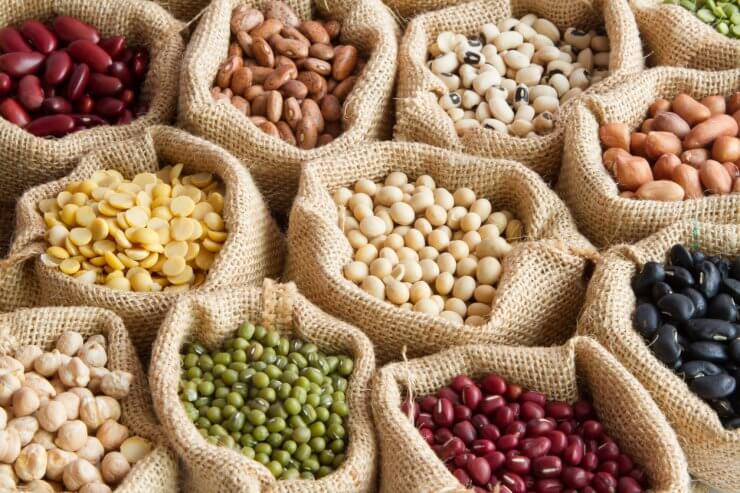
Sometimes I think that if I spend time daydreaming about my spring garden, it will somehow conjure warmer weather and send the snowy New England chill packing! Before sketching out the placement for all my herbs, veggies, and fruits, I like to figure out how they will get into the ground in the first place. Deciding whether to plant from seed, seedling, or plant cutting dictates your planting timeline. Seeds take the longest to get going so I like to decide on these plants by late February/early March. When figuring out how to select good seeds for planting, there are a few variables to consider, like where the seeds came from and how old they are. Here are some guidelines for identifying the good seeds and steering clear of the bad ones.
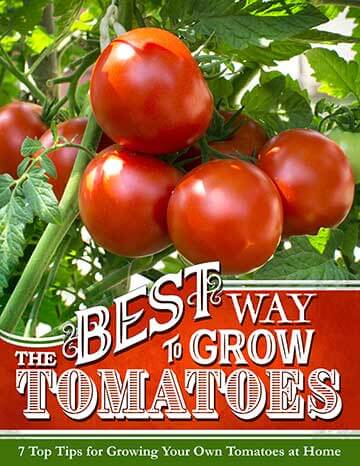
Discover 7 top tips for growing, harvesting, and enjoying tomatoes from your home garden—when you access the FREE guide The Best Way to Grow Tomatoes, right now!
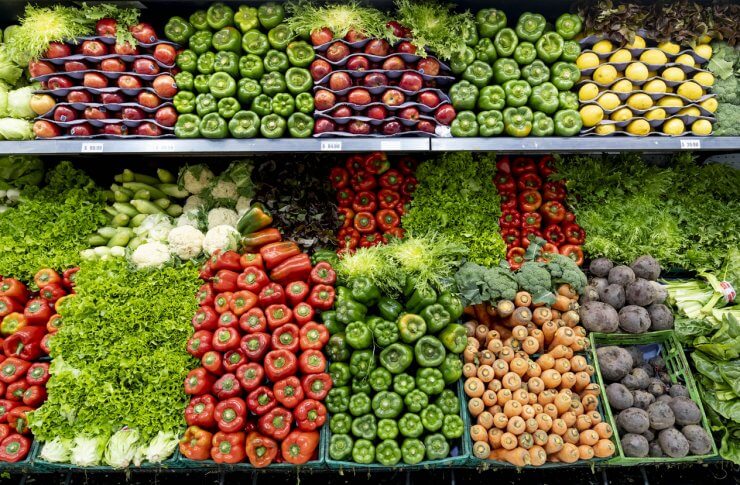
Saving seeds from store-bought produce
Can you save seeds from your grocery store vegetables and fruit? The short answer is: it depends. Many fruits and vegetables purchased at larger chain grocery stores are from hybridized plants. That’s just a fancy way of saying that two plants cross-pollinated to produce a desired effect (a bigger fruit, a larger crop, more nutritional value, etc). Unfortunately, seeds from many hybridized plants will not produce fruit or vegetables. Even if those seeds sprout, there’s a good chance they will not yield any delicious fruit or vegetables.
If you buy your vegetables and fruits from a local farmer’s market, however, you may have better luck. The key to harvesting seeds from store-bought produce is looking for “heirloom” varieties. These fruits and vegetables grow from untampered seeds.
Test your seeds
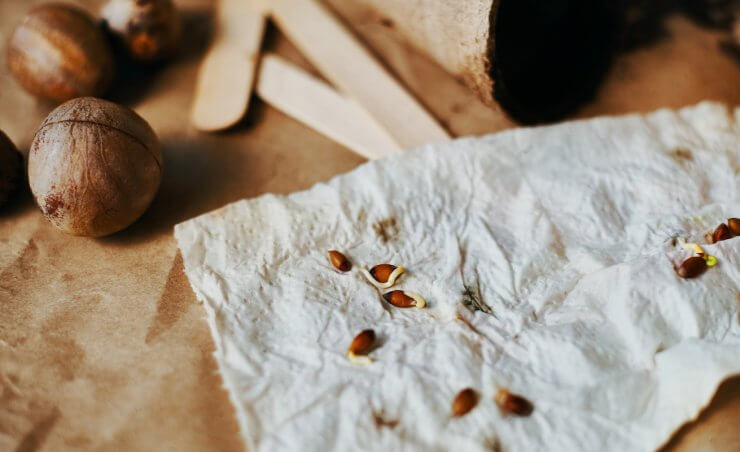
When figuring out how to select good seeds for planting, there are ways to test to find out if seeds will sprout. This is especially helpful if you have leftover seeds from last season, or if you found a random packet of seeds while cleaning out the junk drawer and have no idea how old they are. (Guilty as charged.) A simple germination test can tell you if they are still viable.
One germination test involves dampening a paper towel and folding it, placing about ten seeds in the fold, and putting the paper towel and seeds into a zip-top bag. Check on the bag every day, making sure the towel stays moist (but not flooded). Depending on the seed, germination may take a few days to a couple of weeks. If the seeds sprout, that means they are good seeds for planting.
You can do this same test using sand in a shallow container instead of a paper towel and a bag. The sand method is great if you want to transplant your sprouts into soil. Test larger seeds by placing them in a glass of warm water. After about 15 minutes if the seeds are floating, they will probably not sprout. Tiny seeds tend to float regardless, so use the paper towel or sand test for those.
Know your seed label terminology
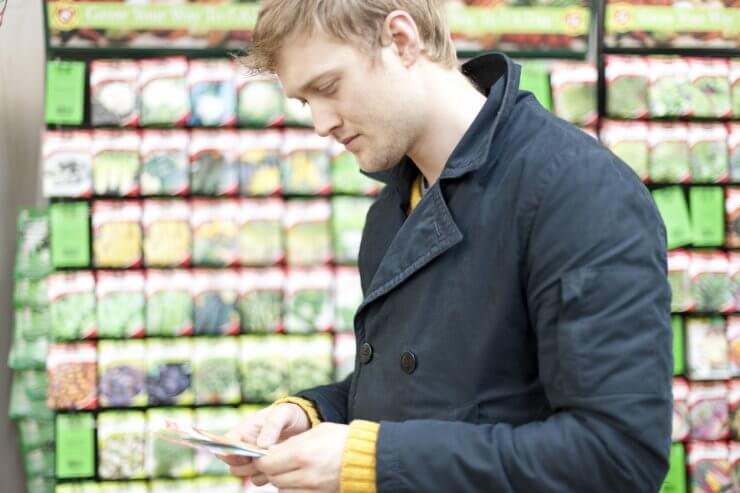
How to select good seeds for planting boils down to doing your homework on where your seeds are coming from. Look for companies that clearly label their varieties. Seed labels will tell you the attributes of a particular varietal. Some label terminology to keep an eye out for:
- Non-GMO: seeds have not been engineered genetically
- Heirloom: seeds that have been saved and passed down from one generation of small and local farmers to the next without any modification. In true technical terminology, heirloom varieties must have been passed down for at least 50 years.
- Organic: seeds have been harvested from plants grown without synthetic fertilizers, genetic engineering, pesticides, or irradiation.
- Open-pollinated: seeds from plants that have been pollinated by insect, wind, bird, humans, or other natural methods.
- Hybrid: seeds from plants that have been cross-pollinated with different-but-related plants over several generations.
In addition to reading seed labels carefully, it’s a good idea to read about the company/brand of seed you’re buying. Many seed companies have signed the Safe Seed Pledge, promising not to sell genetically modified seeds. Choosing to buy from one of these companies may make sense for you if you’re looking to grow a non-GMO vegetable garden.
Discover 7 top tips for growing, harvesting, and enjoying tomatoes from your home garden—when you access the FREE guide The Best Way to Grow Tomatoes, right now!



The vegetables seeds( no fruits)
I am from Papua New Guinea that my climate is subtropical like almost Australia or New Zealand
Please advise on this comment before I get them
For planting in Papua New Guinea, I suggest that you rely on the advice of local gardeners or agricultural experts who understand the specific microclimates within your country.