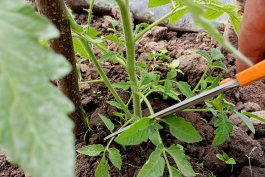
I like to think that I've done my job as a gardener to at least inspire curiosity in my daughter about gardening. Gardening with kids isn't always pretty, but it's …
Tomatoes are nature’s little miracle, aren’t they? From my favorite summertime tomato recipes to preserving tomatoes for use all winter long, homegrown tomatoes are enjoyed year-round at my house. From seed …
Asparagus is a vegetable that deserves a place at the table year-round. Whether it's fresh from the garden, purchased at the farmers market, or from your local grocery store, those …
Treat yourself to a caprese-style sandwich with the addition of grilled chicken. This delicious sandwich is easy to put together and even great for fancy picnics! …
Asparagus is a vegetable that deserves a place at the table year-round. Whether it's fresh from the garden, purchased at the farmers market, or from your local grocery store, those …
Every tomato gardener eventually reaches a point where the question changes.
It’s no longer, “Can I grow tomatoes?”
It becomes, “Which tomatoes do I always want in my garden?”
This chapter is my …
Even after everything you’ve learned—about soil, water, pruning, pests, flavor, and timing—there will be moments when a tomato plant looks at you and says, “Something’s not right.”
That doesn’t mean you’ve …
Every tomato season teaches lessons that don’t always fit neatly into chapters about soil, watering, pests, or harvests.
They’re the quiet truths you learn while tying up vines at dusk.
The shortcuts …
There comes a moment—usually right around midsummer—when every tomato gardener asks the same question:
How do I get more tomatoes… without turning them bland, watery, or forgettable?
Because here’s the hard truth:
It’s …
Every tomato season ends the same way—plants pulled, beds cleaned, tools washed—but for attentive gardeners, something important remains.
Potential.
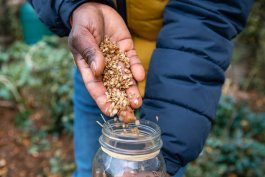
Inside every ripe tomato is next year’s garden, quietly waiting. Seed saving isn’t …
 Give a Gift