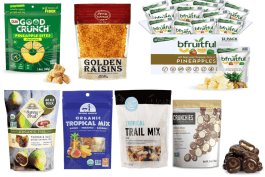
Let’s be honest—while your backyard garden might be bursting with tomatoes and kale, it’s not exactly a tropical paradise. But fear not! We’ve rounded up our favorite exotic and gourmet …
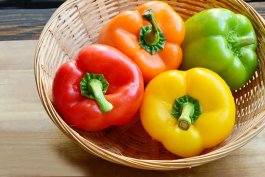
Imagine the joy of stepping into your garden, basket in hand, and harvesting plump, sun-ripened tomatoes and crisp bell peppers. Each bite of your homegrown crop bursts with flavor, nourishing …
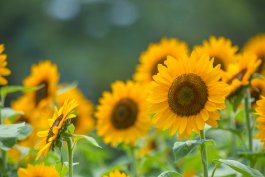
Is there any flower more lovely than the sunflower? Famous post-impressionist painter Vincent Van Gogh painted a series of sunflower canvases. It appears on the state flag of Kansas. There’s …
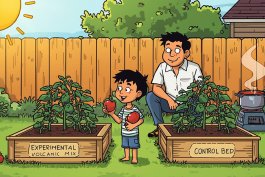
There are many ways a professional chef parents a child. Some teach knife skills. Some teach patience. Mine taught me that if a tomato didn’t taste right, the soil was …
Composting mistakes happen. Some of those mistakes are pretty minor, like when you spill your cup of freshly squeezed rosemary lemonade into the compost pile on a hot summer day. …
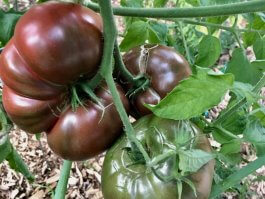
Ah, the Cherokee Purple tomato—part heirloom, part legend, and wholly delicious. This distinctive tomato is said to trace its roots back to the Cherokee Nation, passed down through generations before …
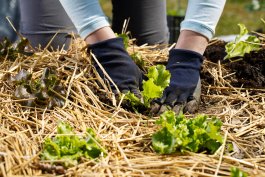
To talk about the best plants for straw bale gardening, it's probably important to clarify what straw bale gardening is exactly. The short version is that you can grow vegetables …
I live in New England, and I love having four distinct seasons, even if winter is a bit longer than I’d like. If you’re reading this based on the title, …
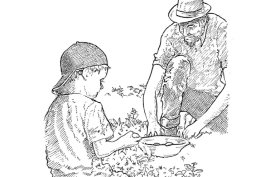
I'm fortunate to have a wonderful family and garden that I love. I especially appreciate how much my daughter loves spending time in the garden. She's (almost) always willing to …
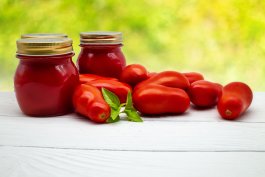
As an avid tomato gardener, let me tell you: San Marzano tomatoes are nothing short of magical. These oblong, bright-red beauties are the secret ingredient behind the best pasta sauce …
 Give a Gift