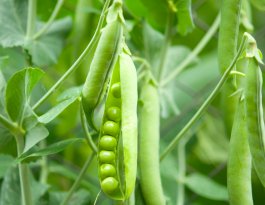
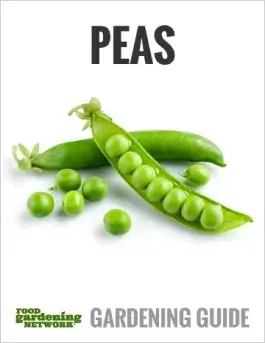
Peas come in three main types: English, snow peas, and sugar snap. English peas, also known as shelling or garden peas (Pisum sativum ssp. sativum), produce inedible pods from which …
In this month’s Food Gardening Magazine, you get everything you need to know about planting peas, growing peas, and harvesting peas—peas so delicious, you may wish you’d planted more! Once …
Once you’ve prepared the ground, preferably a year ahead, it’s time to actually plant your blackberry bushes! It’s easiest to work the ground in spring, and most blackberry varieties are …
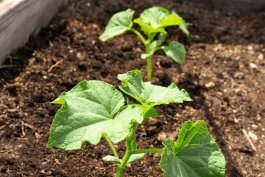
Having healthy cucumber plants starts with having great soil in which to grow them. Cucumbers produce more fruit when they have a low amount of nitrogen, and compost with 2% …
You want well-drained soil that is free of low spots where water can collect. You should check the pH of your soil to make sure it’s in the ideal range, between …
It is mid-February here in Oregon. The racks of seeds have begun to sprout at the the feed store, the earth is beginning to warm, and songbirds are beginning to …
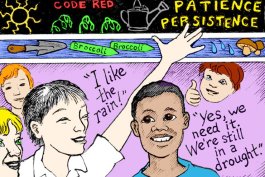
I really don’t think I should be the person teaching young children to garden.” These were the words I said when I was asked to serve as the Garden Leader …
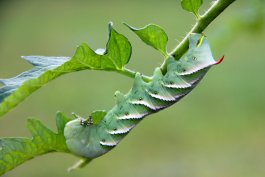
Pests in your tomato garden, left unchecked, can damage and destroy your precious tomato plants. Keeping a close watch on your plants during regular daily inspections will help you spot …
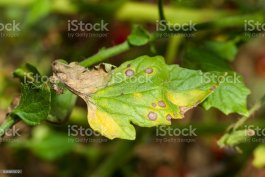
Tomato plant diseases are caused by bacteria, fungi, and viruses. The diseases can spread through the soil, water, air, infected tools, animals, and even gardeners themselves. …
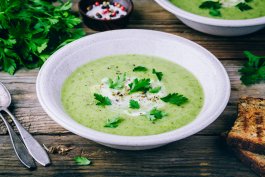
Is it just me or is homemade soup intensely comforting? Some of my earliest childhood memories were of me tiptoeing to get a look over the kitchen counter as my …
 Give a Gift