

 Give a Gift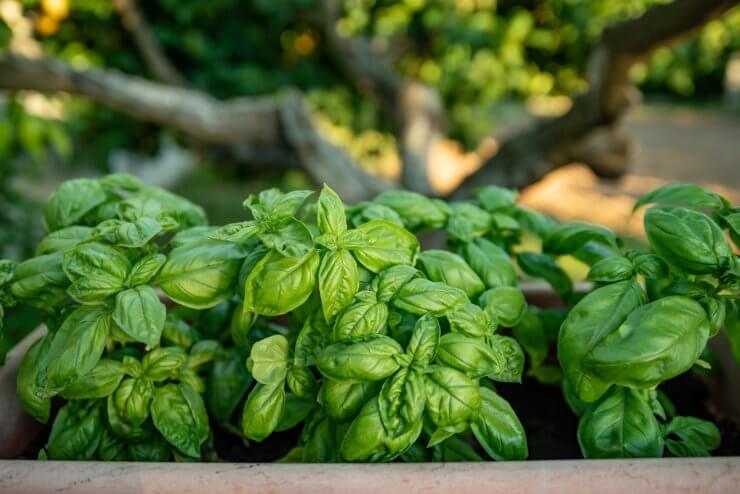
Imagine making pesto and only needing to step outside to your backyard to grab more basil, or realizing how refreshing mint would be in your tea and picking it from your side yard. A garden full of fresh, homegrown produce looks stunning and provides nourishment. Learn how to transform your space into a stylish and productive oasis and get creative ideas for designing a garden that is a feast for your eyes and palate.
The Benefits of Growing Your Own Food
Edible gardens provide many advantages for you, your local ecosystem and the planet. Here are some of the benefits you can expect:
- Lowers emissions: Growing your own food means fewer trips to the grocery store, decreasing transportation-related emissions.
- Reduces packaging waste: Fewer store runs also reduce your use of single-use plastics and packaging materials, which reduces landfill waste.
- Saves money: Creating an edible garden can save on fuel costs and grocery bills.
- Improves the ecosystem: Nourishing the soil and adding native plants supports biodiversity by encouraging pollinators and other wildlife.
- Provides fresher produce: Growing food in your garden means fresher produce, which positively impacts nutritional value, as fruits and vegetables start to lose their nutrients within 24 hours of being harvested.
- Offers aesthetic benefits: Edible gardens provide an array of colors and textures, lending beauty to your outdoor space.
- Supports physical and mental health: Spending time in nature decreases stress and provides physical exercise through tasks like digging, raking and mowing.
As consumers demand more transparency about where their food comes from and what goes into producing it, edible gardens offer that clarity by helping you stay in control of the horticultural products you use. Gardening also fosters a deeper connection with nature — a particular benefit in an increasingly digital age.
Key Considerations for Creating an Edible Garden
From thinking like a landscape artist to making practical choices for your space and climate, these components will guide you through the fundamentals of creating an edible garden.
Thinking Like a Designer
Landscape design relies on factors like color, texture, repetition and unity to create a cohesive and visually pleasing space. Consider these elements to create a beautiful garden you’ll want to spend time in.
You can even choose a theme or style that complements your home, especially when starting an edible garden from scratch. For example, a more modern garden might be minimalist and elegant, while a rustic cottage garden is more whimsical and charmingly messy.
If you already have a garden or ornamental plants, consider their existing visual aspects or what’s missing to create a beautiful landscape. Bright Lights Swiss chard adds vibrancy with its colorful stems, artichokes lend a sense of drama with their layered texture, and scarlet runner beans create movement through their red, cascading flowers.
Implementing Waste Management Systems
Many gardeners believe that composting is the most sustainable method for managing waste. While it’s better than contributing more waste to landfills, it requires high-quality organic materials to prevent environmental contamination. Composting can also attract pests and takes a long time — organic materials may need anywhere from a month to an entire year to fully decompose.
Some commercial companies use industrial-scale rendering to recycle animal byproducts as an alternative to composting. Home gardeners have alternatives to traditional composting. Vermicomposting relies on worms to digest scraps and produce fertilizer for the garden. Compost tumblers are also a good alternative. They prevent pests and are available in dual-chamber options to expedite the process.
Practicing Smart Plant Selection
Along with thinking about aesthetics, consider maintenance, climate and seasonality to select the best edible plants for your garden. Low-maintenance options, like rosemary, cherry tomatoes, sage and garlic, can provide a lot of produce for minimal upkeep. For instance, cherry tomato plants mature in 65-90 days and produce 15-45 pounds per 10-foot row.
Climate also plays an important role in plant selection. Choosing varieties that are native to your region and its climate will support a thriving garden, as native plants are built to grow in your environment and have a mutually beneficial relationship with local wildlife. Take your regional weather conditions into account, as well. Rosemary, for instance, does well in dry climates since it’s drought-resistant.
To ensure your edible garden offers beauty and food year-round, choose perennial plants, which bloom throughout the year, as well as those that grow in distinct seasons for nutritional variety and an ever-changing environment.
Maximizing Your Space
If you have minimal space to work with, try going vertical with trellises, arbors and walls for vining plants, like cucumbers, pole beans and small melons. You can also draw inspiration from food forests, which replicate the verticality of natural woodlands through multiple layers, ranging from the canopy to the ground cover.
Container gardening is also a great solution for city dwellers with balconies or paved outdoor spaces. If you are confined indoors, consider a wall planter or a windowsill box for herbs. These approaches also work well for locations with poor soil, as they provide more control over your growing environment.
Wow-Worthy Edible Garden Ideas
Now that you’ve nailed the principles of edible garden design, here are some creative ways to bring your outdoor pantry to life.
- Lawn alternatives: Instead of creating a stand-alone garden, consider transforming a portion of your lawn into an edible landscape. Replace a section of traditional grass with edible ground covers like creeping thyme or strawberries.
- Edible edging: Use herbs like rosemary or chives to create fragrant and beautiful borders along walkways and flower beds, merging ornamental and nutritional design.
- Focal points: Design your garden around a single, eye-catching focal point, like Tuscan kale or cardoons.
- Themed garden beds: Consider what cuisines you and your loved ones enjoy to inspire your plant selections. For a pizza garden, plant tomatoes, oregano and peppers. A taco garden might have jalapenos, cilantro, onions and lettuce. For a sophisticated twist, plant mint, lemon verbena and edible flowers in a cocktail garden.
- Espalier: Espalier is the horticultural art of training plants to grow along a flat surface, like a wall, fence or trellis. You can grow fruit trees this way for an artistic statement in your garden.
- Herb spirals: To create a beautiful structure perfect for small spaces, grow herbs on a spiral-shaped raised bed.
Experiment by mixing and matching these ideas to fit your unique space and culinary tastes. Your garden is a living canvas for creativity. The goal is to design a landscape that is both a conversation piece and a source of food.
Where Beauty and Bounty Meet
By thinking like a designer and making intentional choices about plants, space and style, you can cultivate a landscape that is a harmonious blend of form and function. You might start small with a single themed container on your patio or decide to transform your entire front yard. Either way, you can create a personal garden that wows with its beauty and enriches your life with the freshest food, right at your doorstep.