

 Give a Gift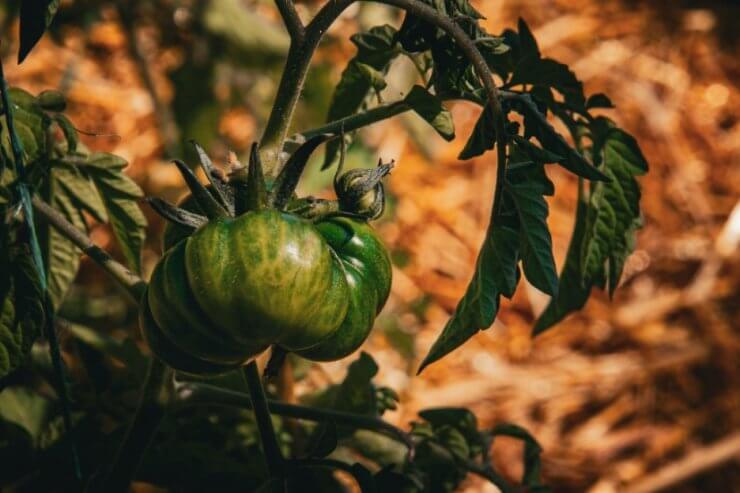
Browsing a seed catalog or website, you may see names like “Mortgage Lifter” tomatoes, “Dragon’s Tongue” beans and “Moon and Stars” watermelons. These whimsical-sounding products are real, and many gardeners are passionate about them. Heirloom seeds are living artifacts. Each packet is a connection to a specific time, place or group of people. In addition to getting unique produce, growing them in your garden also means embracing their rich history.
What Does ‘Heirloom Variety’ Actually Mean?
The definition of “heirloom variety” is an open-pollinated plant that has been saved and passed down for generations, typically for 50 years or more. “Open-pollinated” means that the plants are pollinated naturally, such as by insects, wind or self-pollination, so the seeds they produce will grow into plants identical to the parent plant. Most modern commercial seeds can’t produce true-to-type offspring because they’re only designed for a single generation.
Families, immigrant communities and specific regional groups preserved these seeds because they had value. This can be anything from superior flavor and unique appearance to hardiness in the local climate and cultural importance.
Heirloom Seeds vs. Hybrid Seeds: What’s the Difference?
Some farmers may prefer hybrid seeds, which also offer unique advantages. Here’s a quick look at the key differences between these two seed varieties.
Heirloom Seeds
These seeds have been passed down through generations of crops. They offer:
- Superior taste: Legacy produce features more complex, nuanced and intense flavors.
- Genetic diversity and history: Heirlooms preserve diversity, and each type has a unique story.
- Seed saving and self-sufficiency: Save seeds from your legacy plants each year, eventually adapting the strain to your garden conditions to save money.
- Lower or less predictable yield: Harvest is rarely as bountiful as commercial hybrids.
- Less uniformity: Plants and fruits may vary in size, shape and ripening time.
- Increased disease risk: Some varieties are more susceptible to common diseases because they haven’t been commercially bred to resist them.
Hybrid Seeds
These seeds are genetically modified by crossing two distinct plant varieties together. They provide:
- High yield and uniformity: Hybrids are designed for maximum yield. The fruits often ripen all at once and have consistent size, shape and color.
- Targeted performance: Cross-pollination produces a new plant with the best traits of both parents.
- Disease and pest resistance: They’re often bred to resist the diseases and pests that commonly affect them.
- Common taste: Plant breeding prioritizes long shelf life, consistent appearance and durability for shipping, which can sacrifice the compounds that create exceptional flavor.
- Reduced genetic diversity: The widespread use of a few popular hybrids contributes to a decline in the vast diversity preserved in legacy varieties.
- Higher cost: Due to their processes, hybrids are more expensive than open-pollinated plants.
Stories From the Garden: Famous Heirloom Varieties and Their History
Every legacy variety has a unique history that makes it special. Here’s an overview of the tale behind two beloved heirlooms.
The Tale of the Brandywine Tomato
The Brandywine tomato holds the legendary status as the “benchmark” for tomato flavor. It can grow as big as 16 to 17 centimeters in diameter and weigh up to 32 ounces. It has an intense, rich and perfectly balanced flavor that’s perfect for making tomato paste.
The history of the Brandywine tomato remains a topic of debate among historians and horticulturists. Some believe that it’s named after Pennsylvania’s Brandywine Creek, referencing Thomas H. Brinton, an American tomato grower in the area who grew over 100 varieties. In 1888, he noted the variety should be called Brandywine after one of the most beautiful streams in the state.
Another tale says that the variety has Amish origins. There’s no evidence that proves or disproves this claim, which is based on the presence of Amish communities near the Brandywine Creek.
The Cherokee Purple Tomato’s Journey
The Cherokee Purple tomato has a dusky, purple-pink color with green shoulders and a rich, brick-red interior. It’s one of the most widely grown and sold heirlooms today, known for its unique balance of sweetness, acidity and savoriness.
Craig LeHouillier, a tomato connoisseur with a personal collection of more than 3,000 varieties, reintroduced this heirloom to the world. In 1986, he joined the Seed Savers Exchange, where he shared tips and insights about plants with other seed savers and gardeners. In 1990, he received a packet of tomato seeds that were originally from the Cherokee people. He grew the seeds, sent samples to friends and seed companies, and the rest is history.
How to Save Heirloom Seeds and Preserve History
Here’s a step-by-step guide to preserving seeds from your legacy plants.
Take Seeds Only From the Best Plants
Take seeds only from your best, healthiest and most flavorful plants. The fruits must be fully, or even overly, ripe to ensure the seeds inside are mature and viable.
Prepare the Seeds for Storage
For wet-seeded fruits, such as tomatoes and cucumbers, scoop the seeds and pulp into a jar with water. Let them sit for a few days until mold forms on top. This process removes the germination-inhibiting gel sack around the seeds. Rinse and dry the seeds thoroughly before storing them.
For dry-seeded plants, such as peas, beans and lettuce, let the pods or flower heads dry completely on the plant. Then, break them open to get the seeds inside.
Store the Seeds for the Next Season
Heat, moisture and light can affect seed viability, so store your seeds in a cool, dark and dry location. Place them in paper envelopes, small jars or bags. Label them with their corresponding variety and harvest year.
By preserving heirloom variety seeds, you’re safeguarding a source of wellness and stress relief for yourself and your community. Each seed is a piece of nature that will someday grow to be a part of a garden. The green space, in turn, offers tangible health benefits, from reducing stress and improving mental wellness to producing nutritious, flavorful produce.
Tips for Growing Your Own Heirloom Garden
Excited to plant heirloom variety seeds? Ensure you’re off to a great start with these gardening tips:
- Start small: Choose one or two heirloom varieties that are relatively easy to grow, like Cherokee Purple tomatoes, Kentucky Wonder green beans and Chicago Pickling cucumbers.
- Research before planting: Unlike uniform hybrids, heirlooms have distinct needs. Doing your homework and choosing varieties that will thrive in your garden’s conditions will go a long way.
- Maximize your space: You don’t need a sprawling backyard to grow most legacy seeds. With a few smart strategies, you can cultivate a lush, heirloom garden on your window box, patio, balcony or rooftop.
- Keep your garden clean: Remove weeds, debris and sickly plants immediately to prevent the spread of disease.
Grow Your Place in History
Growing heirloom varieties is more than just about produce — it’s about participating in a chain of human history, preserving biodiversity and connecting with the past. If you’re up to it, embrace the challenge of growing them on your land. Save your first seeds, taste the flavor of a certain era and become part of that plant’s ongoing story for the next generation.