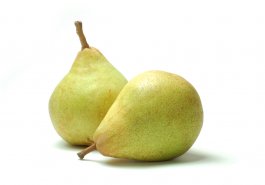
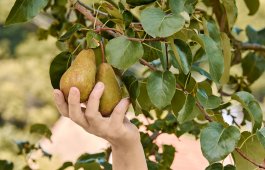
The Comice pear is considered to be the tastiest of all European pears. This pear is a dessert cultivar with a rich, buttery flavor. In the fall, expect a crop …
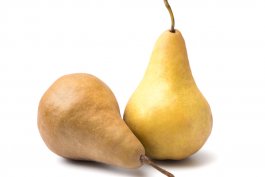
The Bosc pear is often called the aristocrat of pears. In the fall, you can look forward to a heavy crop of long-necked, warm cinnamon colored pears. The fruit is …
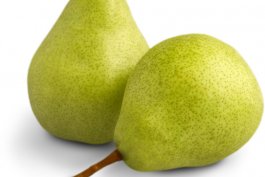
This is a longtime favorite pear. In late summer, pears are ready for harvest. Bartlett pears are juicy, sweet, and tender—perfect for eating, canning, and preserves. If stored properly, Bartlett …
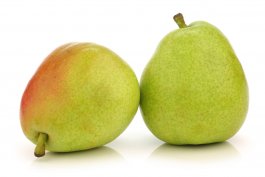
Pyrus communis “Anjou” is a high producer. In the fall, expect a heavy crop of pale green pears with just a touch of russeting. These pears are perfect for eating, …
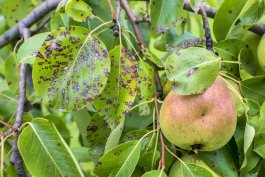
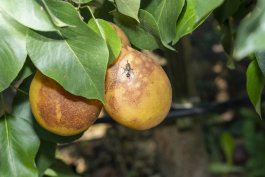
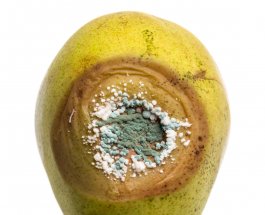
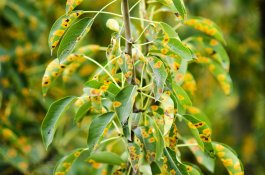
Try some of these techniques for avoiding pear disease or damage in the first place. Prune judiciously: Over-pruning your pear trees can create new opportunities for terminal shoot growth, and …
Pear trees may fall victim to local wildlife: rabbits love bark and young branches, and deer love pears. So, consider some chicken wire or netting to protect your crop. …
All pear trees are at some risk of pests and disease; location and weather will influence which pests and diseases are most likely to be a risk factor for your …
European pears don’t ripen on the tree; they ripen a certain number of days after full bloom, commonly called DAFB. When you get your trees, ask about the harvest timing …
 Give a Gift