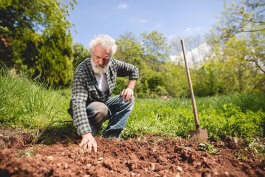
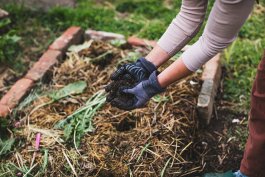
Every tomato season ends the same way—plants pulled, beds cleaned, tools washed—but for attentive gardeners, something important remains.
Potential.
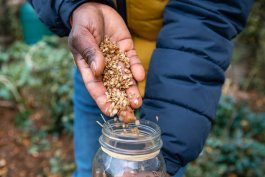
Inside every ripe tomato is next year’s garden, quietly waiting. Seed saving isn’t …
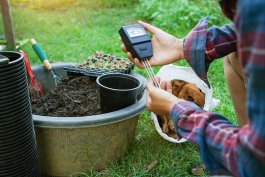
If soil is the body of the garden, then pH is its heartbeat. Too acidic, and certain nutrients are locked away. Too alkaline, and others wash through unused. Striking the …
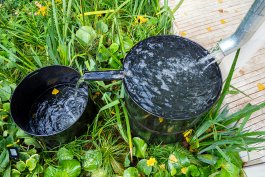
Soil is more than dirt—it’s a living sponge. Too much water and it suffocates, too little and it starves. The art of gardening lies in finding that balance. Managing water …
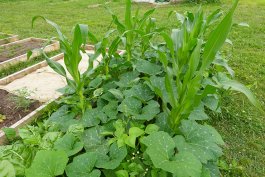
If mulch is the soil’s blanket and cover crops are its armor, then crop rotation is its compass. What you plant—and when—can either drain the soil or restore it. Rotation …
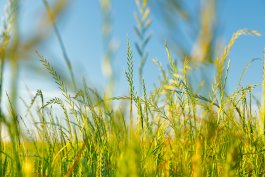
If compost is the gardener’s black gold, then cover crops are the living green shield of the soil. They keep the earth covered, feed it while they grow, and give …
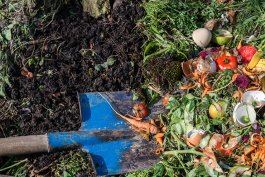
If healthy soil is the foundation of food gardening, compost is the mortar that holds it together. Compost feeds the microbes, balances nutrients, improves structure, and turns yesterday’s kitchen scraps …
Gardening in the northern zones is not for the faint of heart. The season is short, the winters are long, and the soil often feels like it has a will …
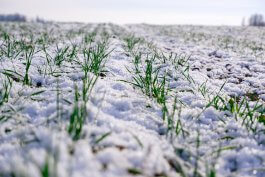
The garden may look quiet under its blanket of snow or mulch, but don’t be fooled—your soil is still alive. Earthworms burrow deeper, microbes slow but don’t stop, and the …
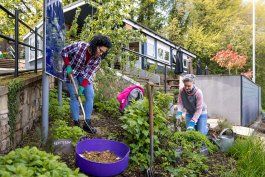
There’s a certain romance to planting straight into the earth—no lumber to buy, no bags to haul, just you, a spade, and the promise of harvest. In-ground food gardens can …
If you’ve ever bitten into a tomato straight from the vine and thought, “This tastes like sunshine,” you’ve already experienced the gift of organic soil care. Food gardeners know that …

 Give a Gift