

 Give a Gift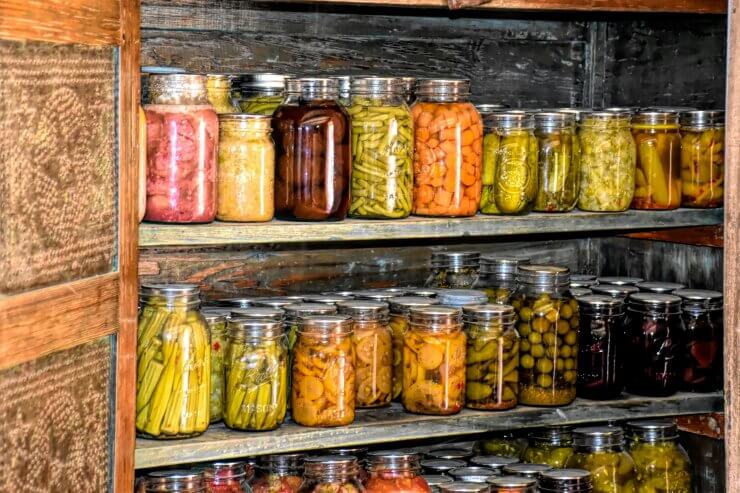
An underground root cellar is one of the oldest and most reliable food storage solutions, now gaining renewed relevance among today’s home growers. These structures allow for sustainability and self-sufficiency, with modern versions blending traditional wisdom and contemporary tech solutions. Discover what root cellars are, how to build one, what to store and how to maintain the ideal environment.
What Are Root Cellars and Their Benefits for Food Storage?
History shows that people have preserved food underground for thousands of years, but walk-in root cellars first became common in the 17th and 18th centuries, particularly in the Americas. Typically, these are cool, dark, humid storage spaces, often but not always underground, that use the earth’s naturally stable temperature to preserve fruits and vegetables. Unlike refrigerators or freezers, they require little energy, relying instead on soil insulation and careful ventilation.
The benefits are considerable:
- Extended storage life for fresh, homegrown produce without using electricity
- Reduced food waste, especially during bumper harvest years
- Lower grocery bills and access to flavorful vegetables all winter
- Improved self-reliance and a small environmental footprint
How to Create an Underground Garden for Winter Storage
To start your own root cellar, you don’t need to own acreage or heavy equipment. From simple retrofits to fully finished spaces, there are root cellar ideas for nearly every home and budget. Building one from scratch can cost an average of $200 to $55,000, of which up to $2,000 may be the required permits. However, there are cheaper options.
DIY Root Cellar Approaches
Many gardeners begin with adapting existing structures, for example:
- Basement corner cellars using insulated walls and a vent to the outdoors
- Buried containers, such as old freezers or food-grade trash cans, sunk into the ground
- Closet conversions on north-facing walls to take advantage of cooler temperatures
These options are affordable and effective, especially for home growers just starting to experiment with winter storage.
Modern Root Cellar Ideas
For those seeking a more permanent or polished solution, prebuilt underground units can be installed with minimal disruption, while custom-built cellars may include shelving, finished walls and moisture-resistant flooring. Smart sensors now allow you to remotely monitor temperature and humidity, ensuring your harvest stays in peak condition with minimal guesswork.
A Critical Safety Check Before You Build
Because root cellars are wholly or partially underground, they are susceptible to the same environmental factors as basements, including one critical potential hazard — gas. When uranium in the soil decays, it releases radon, an invisible and odorless radioactive gas. Radon is a known carcinogen and is cited as the second leading cause of lung cancer. The risk comes when the gas enters an enclosed space like a root cellar or basement and is inhaled.
The only way to know whether radon concentration is dangerously high is to perform a test. You can buy a kit for this at most home improvement stores. If the result shows radon at 4.0 pCi/L or higher, you must consult a professional regarding mitigation and ventilation options.
With proper ventilation and testing measures, you can ensure your root cellar is safe for you and all of your crops. Ideally, you can maintain the space at a consistent temperature and humidity level to grow crops best suited for the space. Additionally, proper drainage is crucial for underground structures. According to landscape drainage experts, signs of potential issues include “water flooding back into your basement when it rains” and “noticeable cracks in your home’s foundation.” Professional drainage solutions such as French drains or drain tiles may be necessary to divert water away from your underground storage area, preventing moisture damage to both the structure and your stored produce.
What Foods are Best Stored in a Root Cellar?
Not all crops thrive under the same conditions. According to a University of Minnesota study, successful storage depends on grouping foods by their preferred environment.
| Crop Type | Examples | Ideal Conditions | Storage Notes |
|---|---|---|---|
| Cold and Moist | Carrots, beets, potatoes | 32 to 40 degrees Fahrenheit, High humidity | Store in damp sand or sawdust, or perforated bins |
| Cool and Dry | Onions, garlic,winter squash | 40 to 50 degrees Fahrenheit, Low humidity | Hang up or space apart for airflow |
| Other Goods | Apples, pears, canned or fermented goods | Varies by item | Open racks allow better air circulation |
Cured meats and hard cheeses may also benefit from the stable temperatures of an underground root cellar, provided local food safety guidelines are followed. Store fruit away from vegetables, because fruits such as apples emit ethylene gas, which can accelerate over-ripening and spoilage.
How to Maintain Your Root Cellar
Long-term success depends on your active care. Even the best-built cellar needs routine attention to stay safe and effective.
Achieving Ideal Root Cellar Temperature and Humidity
Aim for a humidity level of 85% to 95% and a core temperature of between 32o and 40o Fahrenheit. If you are serious about storage, you will likely want to invest in a reliable thermometer and hygrometer to monitor this, unless you have a modern root cellar equipped with smart technology to do it for you.
To fine-tune conditions, you can adjust ventilation to release excess heat or moisture. Additionally, use pans of water or damp gravel floors to raise humidity. Maintaining the correct root cellar temperature preserves food quality and reduces the risk of mold or bacterial growth.
Other Maintenance Tasks
Try to ensure darkness in the cellar, as most suitable storage foods thrive in this. Check produce regularly and remove any spoiled items promptly. Avoid washing harvested food before you store it.
Why Choose Root Cellars for Preserving Winter Foods?
By preserving the harvest naturally, you can enjoy better flavor, less waste and a deeper connection to your food. Whether you opt for a simple DIY root cellar or invest in a modern underground structure with smart controls, the payoff is long-lasting. With thoughtful planning, careful monitoring and basic safety checks, this bridge between seasons becomes an indispensable asset for any serious home grower seeking resilience, sustainability and year-round nourishment.