

 Give a Gift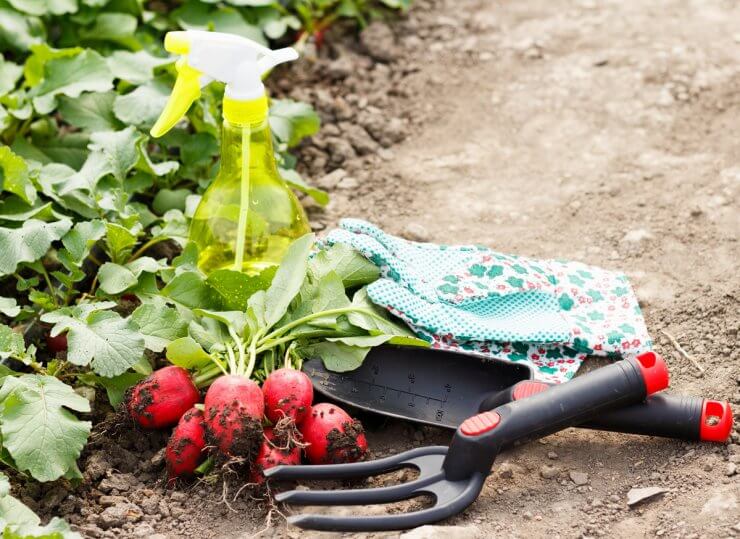
Tools for radish gardening
Spending a productive day in the garden is like therapy for your mind, but it can be challenging for your body. The next day, you might wake up with a stiff, aching lower back and wonder if you worked your body in a healthy way or if you should be more gentle with yourself. Learn how to tell the difference between helpful and concerning soreness and explore tips for treating lower back pain after gardening.
Signs of a Good Sore
You may experience one or a few of the following symptoms and not be bothered by them.
The Ache Feels Spread Out
It’s normal to experience soreness across the entire muscle group you used a few days after gardening. This is called delayed onset muscle soreness (DOMS) — a painful yet positive sign that your muscles are adapting and getting stronger. It’s a natural response to asking your muscles to do more than they’re used to.
Pain Is Dull and Achy
Persistent soreness that feels like a dull throb is a “good sore” pain. Your lower back or legs may feel tender when you touch them, but the discomfort doesn’t cause you to stop moving suddenly. You may feel this in your knees after kneeling for too long or in your back after sitting in an awkward position.
Discomfort Eases With Light Movement
A “good sore” often feels better with gentle activity. When you get out of bed, you may feel the pain, but after stretching or walking for a few minutes, the muscles warm up and the discomfort disappears. You may occasionally feel discomfort, but you can still go about your day as usual.
Red Flags of a Bad Sore
Sometimes, soreness is your body’s way of calling for help. Here are some signs to watch for.
Pain Is Sharp, Stabbing or Electric
A debilitating lower back ache often indicates a more serious problem. Compression fractures can cause stabbing pain along the middle and lower parts of your back. If your pain persists for a week after trying home remedies, you should visit your physician for proper evaluation.
Pain Shoots Down Your Leg or Into Your Glutes
Back pain that travels to one of your legs, both legs or into your glutes may indicate a pinched nerve, damaged disc in your spine or sciatica. However, there’s no need to worry, as these conditions are treatable. The sooner you address it, the sooner you’ll find relief.
Discomfort Is Constant and Doesn’t Improve With Rest
If you’re experiencing the same pain for days or it’s hampering you from doing daily activities, it may be time to visit a doctor. A “bad sore” often feels relentless and doesn’t get better with rest or gentle stretching.
Proactive Tips to Prevent Future Back Pain After Gardening
Treating lower back pain after gardening begins with preventive measures. Follow these tips for an ache-free experience.
Warm up Before You Garden
Treat gardening like a workout. A proper warmup helps improve blood flow and decrease the risk of injuries. Some simple exercises include brisk walking, arm circles, leg swings and torso twists.
Work Smarter, Not Harder
Use garden tools to your advantage. Raised garden beds, rolling seats and long-handled trowels can help limit the need to bend and kneel for long periods. When you need to carry something heavy, like sacks of soil, use a wheelbarrow or ask a family member for help.
Do a Post-Gardening Cooldown Routine
Finish your gardening session with a productive cooldown. Spend five to 10 minutes performing gentle, stretching exercises for your lower back, shoulders, legs and hands. A quick yoga session, such as doing a child’s pose, also does the trick.
Take Care of Your Garden and Your Body
Understanding the differences between helpful and concerning soreness can help you determine whether some rest is enough or if it’s time to check in with your doctor. Follow these preventive tips to help both your garden and your body thrive.