

 Give a Gift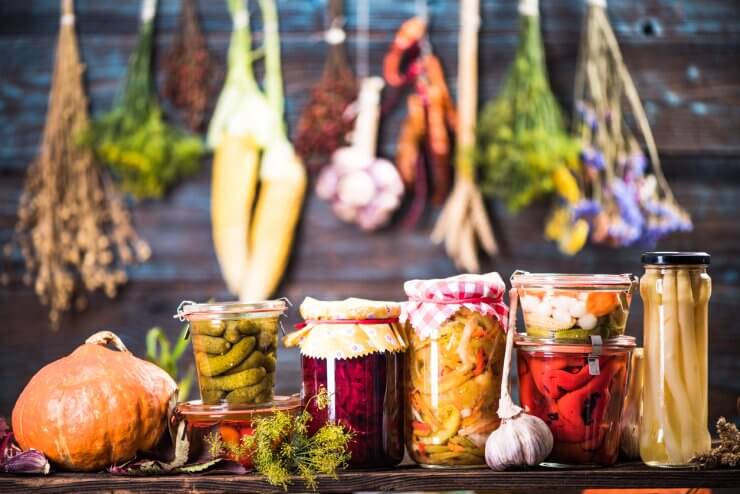
A garden bursting with produce brings huge satisfaction. But how can you enjoy every last bit of your hard-earned harvest before it goes to waste? Imagine transforming those vegetables, capturing peak season freshness while unlocking a new world of tangy, complex flavors. Welcome to the magic of fermentation, a time-honored tradition that turns garden surplus into long-lasting pantry staples. If you’re curious about this simple and rewarding craft, here’s what you need to know to get started.
What is Vegetable Fermentation?
It’s a natural process in which microscopic organisms — naturally present on the skin of the vegetables — transform and preserve them. The technical term for this process is lacto-fermentation, referring to the specific type of beneficial bacteria involved, Lactobacillus. It’s an elegantly fascinating chain of events:
- Vegetables are submerged in a saltwater brine
- Spoilage-causing bacteria cannot survive this due to a lack of oxygen
- However, salt-tolerant Lactobacillus thrive
- They consume the natural sugars in the veggies and convert them to energy
- This releases lactic acid as a by-product
- Which lowers the pH of the brine
- Making it acidic and even more inhospitable to harmful bacteria
- Thereby preserving the vegetables.
Lactic acid is also responsible for the complex, tangy flavor that is the hallmark of fermented foods. If you’ve ever enjoyed the sharpness of sauerkraut, the zesty crunch of a traditional dill pickle or the spicy depth of kimchi, you’ve tasted the results of lacto-fermentation. It’s an ancient technique that generations relied on to preserve the harvest long before refrigeration was invented.
Why Ferment Vegetables?
Apart from the fact that they taste good, there are two key benefits — it’s good for you, and it’s good for the planet.
Health Benefits of Fermented Vegetables
Fermentation increases the level of certain vitamins in veggies, especially vitamins C, B12, K, folate and riboflavin. It also boosts antioxidants, polyphenols and flavonoids present. Multiple studies have found that this newly unlocked nutritional value helps to reduce inflammation throughout the body. This matters because chronic inflammation, where your immune system mistakenly attacks your own body, is associated with many serious illnesses, including heart disease, cancer, diabetes, Alzheimer’s and mental health concerns.
Fermenting also creates a community of fermentation-associated microbes, which may include probiotics and postbiotics, depending on the exact food used. Many studies have shown that fermented foods contribute to gut microbiome diversity, which is linked to improved health in various ways. One study also showed that sauerkraut helps reduce the symptoms of irritable bowel syndrome.
Environmental Benefits of Fermented Vegetables
Roughly one-third of all food produced is wasted — a shocking statistic in this age of food insecurity and climate concerns. For gardeners who care about the planet, fermenting your leftover harvest is a great way to contribute to reducing food waste. You can also do this with store-bought produce or even bread. With so much energy and resource input having gone into producing food, the responsible thing to do is to at least prevent it from ending up in landfill, where possible.
Essential Supplies for Your First Ferment
If you’re convinced about the why, you’ll want to know about the how. You don’t need any specialized equipment to get started with fermenting garden vegetables, but you might want to gather:
- Glass jars: Wide-mouth mason jars are ideal.
- Fermentation weights: You can use small jelly jars that will fit inside the mason jar, or natural weights such as a cabbage core or an apple. Alternatively, purchase glass or ceramic weights.
- Airlocks: Optional, but helpful for beginners.
- Salt: Use non-iodized varieties such as kosher or pickling salt.
- Water: Use filtered or bottled water to avoid chlorine and other impurities.
A 4-Step Guide to Fermenting Vegetables
Here’s an easy process for your first fermentation project.
1. Choose and Prep Your Produce
The best vegetables for beginners are cabbage, carrots, radishes, green beans, bell peppers and small pickling cucumbers — firm, dense items will hold up well. Wash but don’t scrub, as you want to keep their beneficial bacteria intact. How you chop them is up to you. You could shred them, cut them into sticks or coins or even leave small beans or peppers whole. However, aim for uniform pieces so they ferment at an even rate.
2. Make Your Saltwater Brine
Avoid standard table salt as the added iodine and anti-caking agents will inhibit fermentation. Dissolve two tablespoons of salt in one quart of water and stir until it is completely dissolved.
3. Pack the Jar
Your goal is to create an oxygen-free environment. Tightly pack your vegetables into the mason jar. If you are adding any extra flavorings such as garlic cloves, dill sprigs or peppercorns, layer them in as you go. Add the brine, ensuring the veggies are completely covered. Leave a couple of inches of space at the top of the jar to allow for expansion during fermentation.
The single most important rule in fermenting is to keep items submerged to avoid them developing mold. Use a weight, placed on top of the vegetables, to hold them securely beneath the surface of the liquid.
4. Let the Fermentation Begin
Now you can let nature take over while you simply watch and wait. Loosely screw on the lid of the jar. Once a day, you will need to “burp” the jar by unscrewing the lid to release gas. Alternatively, you can use an airlock that will automatically release the gas. Store your jar in a room-temperature location out of direct sunlight. In the first few days, you will see the ferment come to life, with bubbles, a cloudy brine and a pleasant sour aroma — these are all good signs.
Wait for at least a week, and then taste. When it reaches a level of tanginess you enjoy, it’s ready to eat. Remove the weight, secure a tight lid and move the jar to the refrigerator, where it will keep well for several months.
Troubleshooting Common Fermentation Issues
Newcomers to fermenting vegetables often wonder if it is safe. Yes, it is. In the U.S., there have been no documented cases of illness linked to fermented foods. However, beginners often encounter some questions and concerns — here are the most common.
What Is the White Film on My Ferment?
A thin, white or creamy-colored film on the top of your fermented vegetables is quite normal. This smooth or crinkly layer is Kahm yeast. It is harmless, but it can affect the taste, so simply skim it off.
Why Is There Mold on My Fermented Veggies?
If you see powdery, fuzzy or hairy green, black, blue or pink patches on the surface or on the vegetables themselves, that’s mold, not Kahm yeast, and it’s not something you want to eat.
Experienced fermenters may skim it away and inspect the rest of the ferment — if it looks and smells good, it’s fine to eat. However, beginners may prefer to discard the entire batch, to be on the safe side. Mold typically occurs when food is not well covered by the liquid. In the future, ensure there is a minimum of 3 centimeters of brine above the vegetables to inhibit mold growth.
Why Are My Fermented Vegetables Mushy?
This could have one of several causes:
- High temperature: If your jar was in sunlight or in a too-warm room, the process will have sped up, leading to soft veggies. Move the next batch to a different location.
- Over-fermentation: If you leave it for too long, cell walls can be broken down, leading to a loss of crispness. Check on the next batch sooner.
- Not enough salt: If the concentration is too low, the food can become mushy. In your next attempt, increase the salt.
Mushy pickles are still safe to eat, even if the texture is off — try using them up in soups or stews.
Beyond the Basics — Experimenting With Fermentation
Once you get started, you may quickly get the fermenting bug. Enthusiasts often report that learning from fermenting mistakes is rewarding and that experimentation is part of the fun. As you get the hang of it, you can broaden your choice of vegetables or experiment with adding herbs and spices — try ginger, garlic, chilli or even edible flowers.
You can also ferment vegetable leaves and stems. Puree fermented food into a sauce for cooking, or dry your finished ferments and pound them into seasoning powders. Why not?
Start Your Fermenting Journey
Fermenting your garden vegetables is an easy, rewarding and delicious way to reduce waste, preserve your harvest and create incredible new flavors. With just a few basic steps, you can unlock a world of nutrition, taste and tradition. Experiment and enjoy the culinary adventure.