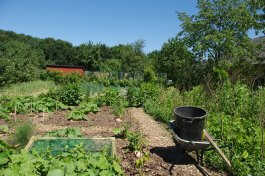
For gardeners in Zones 6–8, the soil feels like a gift. Winters are short enough to grow cover crops (or even hardy greens), summers are long enough for tomatoes, peppers, …
Gardening in the northern zones is not for the faint of heart. The season is short, the winters are long, and the soil often feels like it has a will …
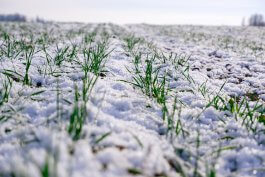
The garden may look quiet under its blanket of snow or mulch, but don’t be fooled—your soil is still alive. Earthworms burrow deeper, microbes slow but don’t stop, and the …
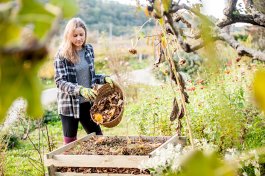
By the time autumn rolls in, gardeners have baskets of tomatoes, jars of pickles, and maybe a little fatigue in their bones. But while the gardener deserves a rest, the …
By summer, the garden is in full swing. Tomatoes sprawl across their cages, peppers swell on the stem, beans climb skyward, and zucchini plot to overwhelm you. It’s a season …
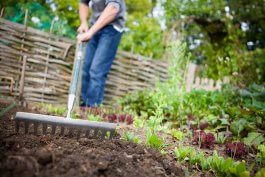
Winter is soil’s season of rest. Beneath the snow or under a blanket of mulch, microbial life slows, roots sleep, and the garden quietly rebuilds itself. But when spring arrives, …
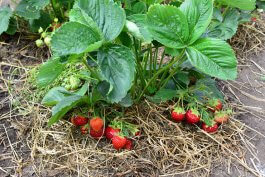
Few things taste like summer more than a handful of sun-warmed berries. Whether it’s strawberries dipped straight from the patch, raspberries tumbling into morning yogurt, or blueberries staining your fingers, …
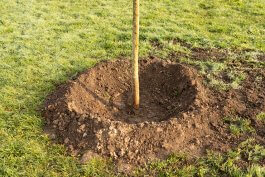
Planting a fruit tree is an act of hope. Unlike lettuce, which rewards you in weeks, or tomatoes, which fill your baskets in a season, a fruit tree takes years …
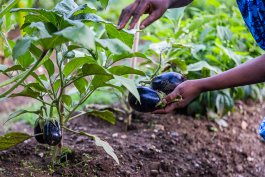
If herbs are the seasoning, vegetables are the meal. They’re the backbone of the food garden—the peas in spring, the tomatoes in summer, the kale in fall, and the carrots …
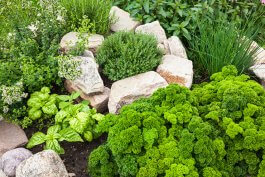
Herbs are the gateway crop for many food gardeners. They don’t take much space, they’re forgiving, and they reward you with flavors that transform meals from ordinary to extraordinary. A …

 Give a Gift