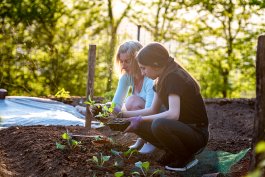
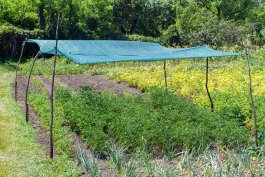
If soil could talk, it would remind us that it doesn’t live by days or hours—it lives by seasons. The rhythm of soil care follows the cycles of growth, rest, …
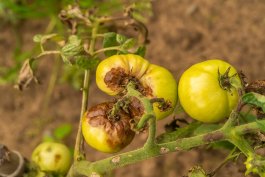
No matter how much love and compost you pour into your garden, soil sometimes misbehaves. Plants look yellow, fruit drops early, or herbs refuse to sprout. The good news? Most …
When you dig into soil, you’re not just handling minerals and organic matter—you’re holding a bustling city of life. Bacteria, fungi, protozoa, nematodes, insects, and earthworms are all part of …
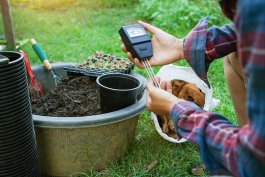
If soil is the body of the garden, then pH is its heartbeat. Too acidic, and certain nutrients are locked away. Too alkaline, and others wash through unused. Striking the …
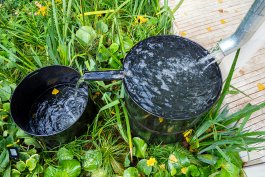
Soil is more than dirt—it’s a living sponge. Too much water and it suffocates, too little and it starves. The art of gardening lies in finding that balance. Managing water …
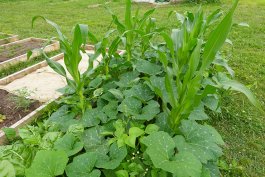
If mulch is the soil’s blanket and cover crops are its armor, then crop rotation is its compass. What you plant—and when—can either drain the soil or restore it. Rotation …
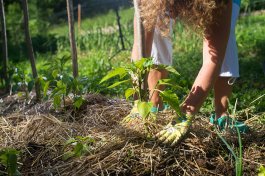
Gardeners have many allies, but mulch might be the quietest hero of them all. A good mulch is like a blanket for your soil—it shields it from the weather, conserves …
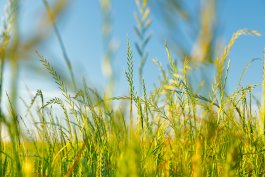
If compost is the gardener’s black gold, then cover crops are the living green shield of the soil. They keep the earth covered, feed it while they grow, and give …
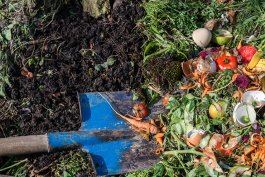
If healthy soil is the foundation of food gardening, compost is the mortar that holds it together. Compost feeds the microbes, balances nutrients, improves structure, and turns yesterday’s kitchen scraps …
In Zones 9–12, the growing season hardly ever ends. You can harvest greens in January, tomatoes in March, and papayas or citrus almost year-round. But while the climate seems like …

 Give a Gift