Why Grow Protein-Rich Crops?
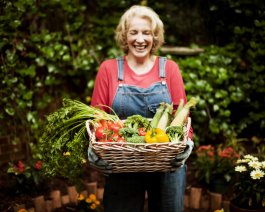
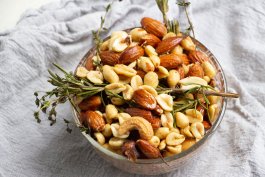
Plant proteins are more than just “meat replacements.” They’re full of fiber, antioxidants, vitamins, and minerals that animal proteins don’t provide. Best of all, many protein-rich fruits …
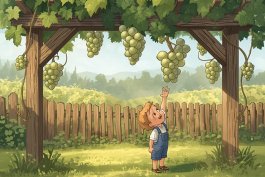
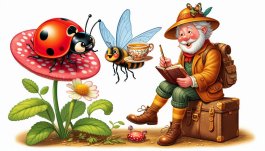
Once upon a time in the verdant town of Plymouth, Massachusetts, there lived a gardener named Pat. Pat had a flourishing garden filled with vibrant vegetables, fragrant herbs, and blossoming …
I didn’t make it to Hawaii until I was an adult, but the islands had already taken up residence in our living room long before that—mostly via the glow of …
What I remember most about the California State Fair in the 1960s isn’t the rides, the midway games, or even the smell of corn dogs drifting through the Summer air. …
I’ve read more self-help books than I care to admit. Some were helpful, some were forgettable, and a few were written with such certainty that I half expected the author …
I’ve spent a lifetime around kitchens, from my father’s professional restaurant setup to my own ever-expanding collection of countertop appliances. Some kids grew up playing outside—I grew up watching my …
There’s a certain kind of magic that happens when your imagination takes flight—especially when it’s riding on the tiny wings of a ladybug named Lily.
This week, I had the distinct …
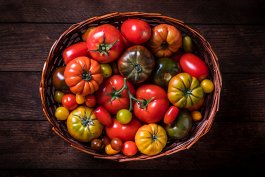
Every tomato gardener eventually reaches a point where the question changes.
It’s no longer, “Can I grow tomatoes?”
It becomes, “Which tomatoes do I always want in my garden?”
This chapter is my …
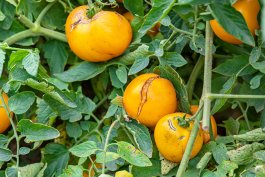
Even after everything you’ve learned—about soil, water, pruning, pests, flavor, and timing—there will be moments when a tomato plant looks at you and says, “Something’s not right.”
That doesn’t mean you’ve …


 Give a Gift