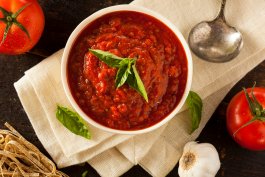
For me, it is very important that I am canning and jarring tomato sauce all summer long. I think my grandmother Philomena, who was a full-blooded 4'8" Italian granny who …
If you’ve ever caught yourself talking to your tomato plants or throwing a garden party in honor of your first bell pepper harvest, then Top Ten Plants We Love is …
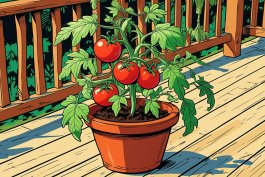
You’ve likely tossed a tomato slice on a sandwich or simmered them into a sauce. But have you ever stopped to think about how this vibrant red fruit—yes, fruit!—might be …
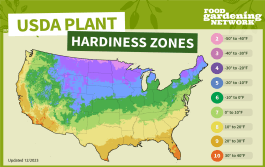
Radishes are cool-season vegetables that grow best in USDA Hardiness Zones 2–10, making them suitable for most of the continental U.S. They’re fast-growing, hardy, and can be planted multiple times …
Lavender thrives in USDA Hardiness Zones 5a-9b, meaning it can withstand a range of temperatures from -20°F to 85°F (-29°C to 29°C). It loves full sun and well-drained soil, making …
Corn thrives best in warm climates with temperatures between 65°F and 80°F (18°C to 27°C). The recommended growing zones for corn are Zones 10a-11b, which provide the warmth and extended …
In the 1930s, thanks to a misplaced decimal point in a scientific paper, spinach was erroneously believed to contain 10 times more iron than it actually did. Enter Popeye, with …
Who doesn’t love burgers? They’re great to indulge in once in a while. I know I get some really strong burger cravings from time to time! Of course, you don’t …
Raspberries are one of those fruits that truly deserve a place in your garden—and on your plate. With their vibrant red color, delicate texture, and sweet-tart flavor, raspberries are a …
Blackberries are hardy, versatile plants that can be grown in many parts of the United States. Here’s a breakdown of their recommended growing zones, examples of states where they thrive, …
 Give a Gift