Give a Gift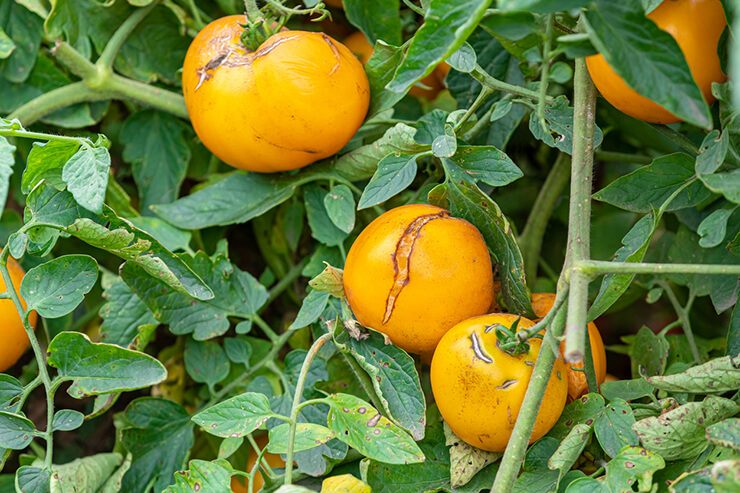
Even after everything you’ve learned—about soil, water, pruning, pests, flavor, and timing—there will be moments when a tomato plant looks at you and says, “Something’s not right.”
That doesn’t mean you’ve failed.
It means you’re gardening.
This final chapter is your calm, practical troubleshooting guide—a way to diagnose common tomato problems quickly, respond appropriately, and move on without losing momentum or joy. Think of it as the voice in your head that says, “Okay, let’s slow down and figure this out.”

Start Here: The Three-Question Check
Before reaching for tools, sprays, or drastic solutions, ask yourself:
- Has anything changed recently?
(Weather, watering schedule, fertilizer, pruning, transplanting) - Is the problem spreading quickly—or staying localized?
(Fast spread suggests disease or severe stress; slow spread suggests a correctable issue) - Are the plants still growing and setting fruit?
(If yes, the problem may be cosmetic or temporary)
Most tomato problems reveal themselves when you answer these honestly.
Problem: Wilting Leaves
Likely Causes
- Inconsistent watering
- Heat stress
- Root disturbance
- Temporary midday wilt
What to Do
- Check soil moisture below the surface
- Water deeply in the morning
- Mulch to stabilize temperature
- Observe evening recovery
If plants perk up by evening, it’s usually not serious.
Problem: Yellowing Leaves
Likely Causes
- Natural aging (lower leaves first)
- Nitrogen deficiency
- Overwatering or poor drainage
What to Do
- Remove aging lower leaves
- Adjust watering schedule
- Feed gently only if growth is weak
Not every yellow leaf is a call to action.
Problem: Lots of Flowers, Few Tomatoes
Likely Causes
- Heat stress
- Poor pollination
- Excess nitrogen
- Inconsistent watering
What to Do
- Improve airflow
- Water consistently
- Reduce nitrogen inputs
- Gently shake plants during flowering
Tomatoes pause fruiting in extreme heat—and resume when conditions improve.
Problem: Big Plants, No Fruit
Likely Causes
- Too much nitrogen
- Overwatering
- Excessive pruning of flowers
What to Do
- Stop feeding
- Let soil dry slightly between waterings
- Be patient
Lush foliage is impressive—but fruit needs balance.
Problem: Cracked or Split Fruit
Likely Causes
- Sudden water uptake after dry periods
- Heavy rain or irregular watering
What to Do
- Mulch more heavily
- Water consistently
- Harvest ripe fruit promptly
Cracked tomatoes are still edible—just don’t store them long.
Problem: Misshapen or Scarred Tomatoes
Likely Causes
- Cool temperatures during flowering
- Incomplete pollination
- Variety characteristics
What to Do
- Don’t panic
- Improve airflow and pollination
- Note varieties prone to cosmetic quirks
Ugly tomatoes often taste fantastic.
Problem: Leaf Spots or Blotches
Likely Causes
- Fungal disease
- Wet leaves
- Poor airflow
What to Do
- Remove affected leaves
- Avoid overhead watering
- Improve spacing and ventilation
Focus on slowing spread—not achieving perfection.
Problem: Tomatoes Taste Bland
Likely Causes
- Excess water late in ripening
- Too much nitrogen
- Poor variety choice
What to Do
- Reduce watering slightly once fruit begins to color
- Feed less aggressively
- Choose flavor-forward varieties next season
Flavor is grown, not fixed.
When to Intervene—and When to Let It Be
Intervene When:
- The problem is spreading rapidly
- Young plants are affected
- Fruit production is threatened
Let It Be When:
- Damage is cosmetic
- Plants are still productive
- The season is nearly over
Some problems resolve themselves if you stop hovering.
End-of-Season Perspective
Late in the season, perfection is unrealistic.
At that point:
- Focus on harvesting
- Remove declining plants
- Take notes
- Start thinking about next year
Gardening is iterative. Every season informs the next.
The Calm Gardener’s Mindset
The most successful tomato growers I know share a few traits:
- They observe more than they react
- They fix root causes, not symptoms
- They accept imperfection
- They keep learning
Tomatoes don’t need constant intervention. They need informed support.
A Final Word from Your Intrepid Gardening Reporter
If you’ve made it this far, you now know more about tomatoes than most people who grow them.
But more importantly, you’ve learned how to think about tomatoes:
- How to diagnose
- How to adapt
- How to stay calm when things wobble
That confidence is the real harvest.
Every season will still surprise you.
Some will frustrate you.
Many will reward you.
And every time you slice into a tomato you grew yourself, you’ll remember exactly why you started.
Now—go enjoy the garden.