Give a Gift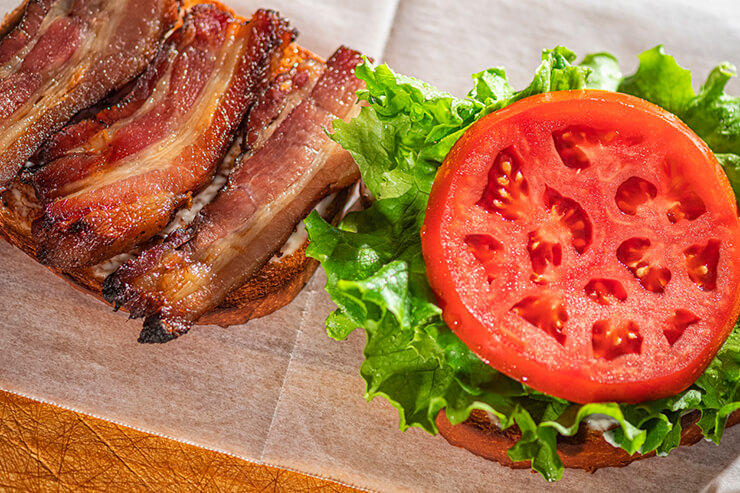
Some tomatoes are destined for jars and freezers.
Others never make it past the garden gate.
These are the tomatoes that get eaten standing up, juice running down your wrist, before you’ve even thought about a recipe. The ones sliced thick for sandwiches, tossed warm into salads, or popped whole like candy on the walk back to the house.
This chapter is about fresh-eating tomatoes—how to grow them, harvest them, and enjoy them at the peak of what tomatoes do best.

Why Fresh-Eating Tomatoes Are a Category of Their Own
Fresh tomatoes are judged by different standards than sauce tomatoes.
Here, it’s all about:
- Texture
- Balance of sweetness and acidity
- Juiciness without sogginess
- Aroma
- How they behave on a plate
A tomato that makes a great sauce can be a disappointment in a sandwich. A perfect slicer can be terrible in a jar.
Fresh eating demands intentional choices.
“If I’m growing tomatoes for sandwiches, I grow them differently—and I pick them differently.”
— Paula, Zone 6b, Ohio
The Three Fresh-Eating Tomato Stars
Slicing Tomatoes: Built for Bread
Slicing tomatoes are the backbone of fresh eating.
What makes a great slicer:
- Large, even slices
- Balanced juice and flesh
- Good structure (not mushy)
Best uses:
- Sandwiches
- Burgers
- Caprese salads
- Simple plates with salt and olive oil
Growing tips:
- Steady watering prevents cracks
- Strong support keeps fruit clean
- Avoid excess nitrogen to maintain texture
A slicer should hold its shape and still melt in your mouth.
Salad Tomatoes: The Reliable Middle Ground
Salad tomatoes are versatile, manageable, and dependable.
What defines them:
- Medium size
- Thin skins
- Balanced flavor
- Uniform ripening
Best uses:
- Chopped salads
- Grain bowls
- Fresh salsas
Growing tips:
- Thrive in raised beds and containers
- Often mature earlier than slicers
- Consistent producers
Salad tomatoes are the workhorses of fresh eating—always useful, rarely disappointing.
Cherry and Grape Tomatoes: Garden Candy
If you only grew one fresh-eating tomato, cherries would make a strong case.
Why they’re so beloved:
- High sugar content
- Thin skins
- Heavy production
- Long harvest window
Best uses:
- Snacking straight off the vine
- Salads
- Roasting
- Skewers
Growing tips:
- Extremely vigorous—plan support early
- Thrive in containers and hydroponics
- Pick often to keep production high
“Cherry tomatoes never make it into the house. That’s my measure of success.”
— Paul, Zone 8a, North Carolina
Flavor Comes from How You Grow Them
Fresh-eating tomatoes are unforgiving of sloppy care.
To maximize flavor:
- Avoid overwatering once fruit begins to ripen
- Feed lightly after flowering
- Maintain consistent moisture
- Grow in full sun
Lush foliage with bland fruit usually means too much nitrogen and too much water.
Texture Matters More Than You Think
A fresh tomato should:
- Yield slightly when pressed
- Hold its shape when sliced
- Release juice without collapsing
Texture problems often come from:
- Overwatering
- Harvesting too late
- Poor variety choice
You can’t fix texture in the kitchen. You grow it in the garden.
Harvesting Fresh-Eating Tomatoes
Timing is everything.
Harvest when:
- Color is deep and even
- Fruit is slightly soft
- Aroma is noticeable
Fresh tomatoes don’t improve after refrigeration—so plan to eat them within a few days of picking.
Storing Fresh Tomatoes (Without Ruining Them)
Never refrigerate tomatoes meant for fresh eating.
Instead:
- Store at room temperature
- Keep out of direct sunlight
- Place stem-side down
Cold dulls flavor and ruins texture. Once that happens, there’s no going back.
Mixing Varieties for Better Plates
One of the simplest ways to elevate fresh eating is variety.
Grow:
- One large slicer
- One dependable salad tomato
- One or two cherry types
On the plate, this creates:
- Flavor contrast
- Color contrast
- Textural interest
Great salads start in the garden, not the kitchen.
Fresh Tomatoes Don’t Need Much Help
When tomatoes are grown for flavor, preparation can be minimal.
Often all you need is:
- A sharp knife
- A pinch of salt
- A drizzle of good olive oil
If a tomato needs a lot of fixing, it wasn’t ready—or wasn’t grown for fresh eating.
Common Fresh-Eating Mistakes
- Growing only one type of tomato
- Overwatering late in the season
- Refrigerating ripe fruit
- Waiting too long to harvest
- Chasing size instead of taste
Fresh tomatoes reward restraint and attention.
The Big Takeaway
Fresh-eating tomatoes are the reason many of us garden in the first place.
They’re immediate.
They’re honest.
They don’t hide behind recipes.
When you choose the right varieties, grow them with intention, and harvest them at the right moment, fresh tomatoes become more than food—they become proof that the garden is doing exactly what it’s supposed to do.
Coming Up Next
Fresh tomatoes shine in the moment—but the season always moves on.
Up next: A Full-Year Tomato Growing Roadmap, where we’ll walk through the entire tomato season month by month, from winter planning to final harvest and everything in between.
Let’s Keep Growing