Give a Gift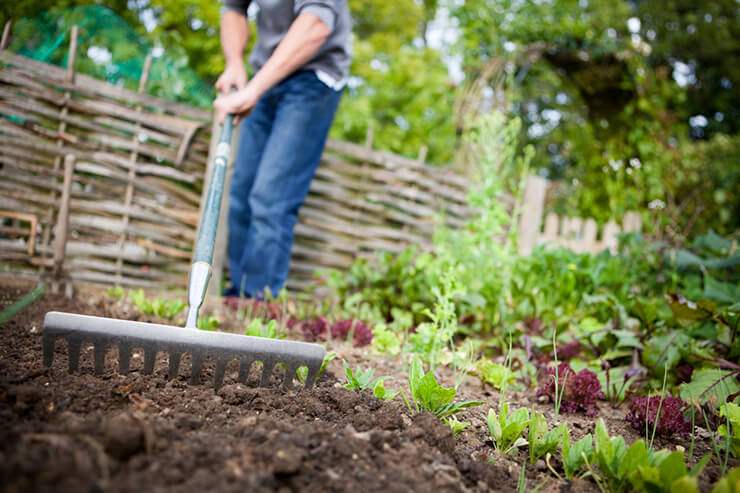

Winter is soil’s season of rest. Beneath the snow or under a blanket of mulch, microbial life slows, roots sleep, and the garden quietly rebuilds itself. But when spring arrives, it’s time to wake the soil gently, feed it, and prepare it for a season of abundance.
Think of spring soil care as a gardener’s version of making coffee in the morning: you don’t rush it, but you know the day won’t go right unless you start it well.
Step 1: Remove and Refresh Mulch
As the soil warms, peel back old winter mulch.
- Don’t throw it out—partially decomposed mulch can be worked back in as organic matter.
- Leave a thin layer to protect against erosion and spring weeds.
- Add fresh mulch later once crops are established.
Step 2: Test and Adjust
Spring is the best time for a soil test if you didn’t do one in the fall.
- Adjust pH before planting—lime or sulfur take weeks to work.
- Correct nutrient imbalances early so plants get what they need right from the start.
Step 3: Feed with Compost
Add a blanket of life to your soil.
- General guideline: 1–2 inches of compost over garden beds.
- Lightly fork or rake it in—no need for deep tilling.
- For raised beds, refill sunken soil with fresh compost-rich mix.
- For containers, replace 20–30% of soil with new mix plus compost.
“Every spring I give my beds a compost breakfast. The plants seem to say thank you all summer long.” —Clara, Vermont
Step 4: Loosen Without Tilling
Soil structure is fragile. Instead of heavy tilling, use gentle methods:
- Broadfork or garden fork: Insert and rock gently to aerate without flipping soil layers.
- Hand raking: Break surface crusts and mix compost into the top few inches.
- Avoid compaction: Stay off wet soil—wait until it crumbles in your hand instead of smearing.
Step 5: Jump-Start Biology
Help the soil wake up fully:
- Apply compost tea or diluted fish emulsion to boost microbial activity.
- Add worm castings to seedling areas for a gentle nutrient push.
- Plant early cover crops like oats or peas in unused beds for a spring nitrogen boost.
Step 6: Prepare for Specific Crops
- Leafy greens & brassicas: Add nitrogen-rich amendments (composted manure, alfalfa meal).
- Root crops: Keep soil loose, low in nitrogen, with extra sand if needed.
- Fruiting crops: Build balanced fertility—compost + kelp or rock phosphate.
Raised Beds & Containers in Spring
- Raised beds: Add 2 inches of compost, refresh mulch, check for settling. If soil has sunk more than 4 inches, add new mix.
- Containers: Replace ⅓ of soil, add compost, flush with water to remove salts from last season.
Spring Troubleshooting
- Soil too wet to work → Wait. Working wet soil destroys structure.
- Weedy soil → Solarize with a clear cover for 2–3 weeks before planting.
- Pale early crops → Feed with diluted compost tea to correct nitrogen lag.
A Gardener’s Reflection
There’s something deeply hopeful about turning compost into thawing soil, seeing worms wriggle back to life, and catching that earthy scent that says, “We’re ready.” Spring soil care is less about fixing problems and more about setting the stage. Get it right now, and the rest of the year will unfold much more smoothly.
As Tony from Colorado says:
“Spring is when I remember the soil is alive. You don’t wake it with a hammer—you wake it with a whisper and a spoonful of compost.”
Key Takeaway: Spring soil care is about waking gently—remove mulch, test and amend, feed with compost, and loosen without disturbing structure. With this fresh start, your soil is primed for a season of growth.