Give a Gift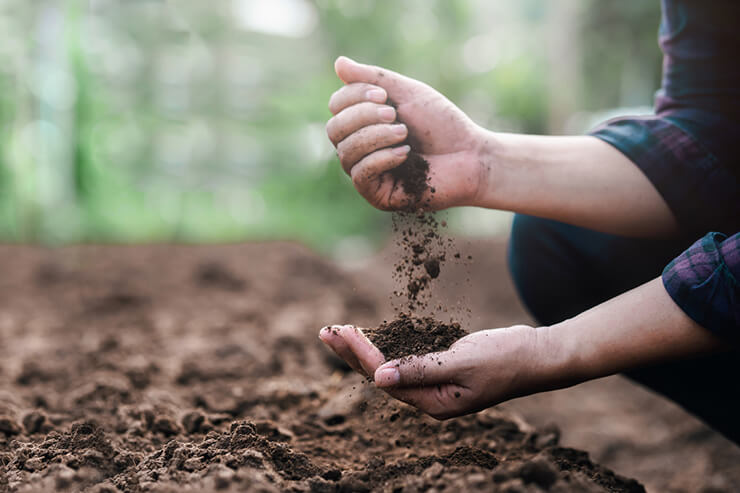
If tomatoes had a motto, it might be this:
“Take care of my roots, and I’ll take care of everything else.”
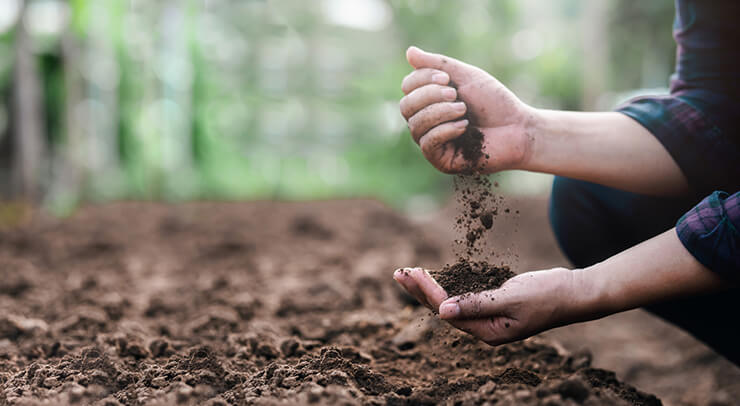
Great tomato harvests don’t start with fertilizer schedules or fancy products. They start with healthy soil—soil that holds water when needed, drains when it must, and quietly delivers nutrients in a steady, reliable way.
This chapter is about building that foundation, understanding what tomatoes actually eat, and learning how to feed them without overdoing it.
Because when it comes to tomatoes, more nutrition is not the same thing as better nutrition.
Why Soil Health Matters More Than Any Fertilizer
Tomatoes are heavy feeders—but they’re also picky.
They want:
- Nutrients in balance
- Access over time, not all at once
- Roots that can breathe
- Soil life working on their behalf
Poor soil leads to:
- Weak plants
- Disease susceptibility
- Blossom end rot
- Big vines with disappointing flavor
Healthy soil, on the other hand, acts like a pantry that restocks itself.
“Once I stopped chasing fertilizer and focused on soil, my tomatoes calmed down—and got better.”
— Joanne, Zone 6b, Connecticut
What Healthy Tomato Soil Looks Like
You don’t need lab-perfect soil. You need functional soil.
Healthy tomato soil is:
- Loose and crumbly
- Dark in color
- Full of organic matter
- Alive with earthworms and microbes
It drains well but doesn’t dry out immediately. When you squeeze it, it holds together briefly—then falls apart.
If your soil feels like concrete when dry or pudding when wet, tomatoes will struggle.
Understanding What Tomatoes Actually Need
Tomatoes rely on a mix of macronutrients and micronutrients.
The big three get the most attention:
- Nitrogen (N): Leaf and stem growth
- Phosphorus (P): Root development and flowering
- Potassium (K): Fruit development, flavor, and plant health
But tomatoes also depend on:
- Calcium (for cell structure and preventing blossom end rot)
- Magnesium (for photosynthesis)
- Trace minerals that support overall metabolism
The key is balance.
Too much nitrogen creates lush plants with few tomatoes. Too little nutrition produces stressed plants that never reach their potential.
Organic Matter: The Secret Sauce
Organic matter is the single most important ingredient in tomato soil.
It:
- Improves soil structure
- Holds moisture evenly
- Feeds beneficial microbes
- Releases nutrients slowly
Excellent sources include:
- Finished compost
- Leaf mold
- Aged manure
- Compost made from kitchen and garden waste
Adding organic matter every year isn’t optional—it’s maintenance.
Compost: Tomatoes’ Best Friend
If you only do one thing for your tomato soil, make it compost.
Use compost to:
- Amend soil before planting
- Side-dress plants midseason
- Improve container and raised bed mixes
- Restore nutrients after harvest
Compost doesn’t overwhelm plants. It supports them quietly and consistently.
“I compost first and fertilize second—if at all.”
— David, Zone 5a, New Hampshire
Fertilizers: When—and How—to Use Them
Fertilizers are tools, not solutions.
They work best when:
- Soil health is already good
- You understand what your plants need
- They’re applied thoughtfully
At Planting Time
A balanced organic fertilizer or compost blend is usually sufficient.
Avoid high-nitrogen formulas early on. Tomatoes don’t need to sprint out of the gate—they need to establish roots.
During Growth
As plants begin flowering and setting fruit:
- Shift focus away from nitrogen
- Support potassium and calcium availability
Slow-release organic fertilizers or gentle liquid feeds work well here.
Midseason Adjustments
If plants show signs of deficiency:
- Pale leaves
- Weak growth
- Poor fruit set
Correct gently. Overcorrecting causes more harm than good.
Blossom End Rot: A Nutrition Lesson in Disguise
Blossom end rot looks dramatic—but it’s rarely caused by a lack of calcium in the soil.
More often, it’s caused by:
- Inconsistent watering
- Root stress
- Rapid growth caused by excess nitrogen
Calcium must move through the plant via water. If watering is uneven, calcium can’t reach developing fruit.
The fix isn’t dumping calcium into the soil—it’s stabilizing conditions.
Soil pH: The Quiet Influencer
Tomatoes prefer slightly acidic soil:
- Ideal range: pH 6.0–6.8
Outside that range:
- Nutrients become less available
- Plants struggle even when nutrients are present
If tomatoes consistently underperform despite good care, a soil test is worth the time.
Think of pH as the gatekeeper. If it’s off, nutrients can’t get in.
Feeding Tomatoes in Different Growing Systems
In-Ground and Raised Beds
- Focus on soil building
- Use compost annually
- Supplement lightly as needed
Containers
- Nutrients wash out faster
- Regular feeding is essential
- Slow-release fertilizers plus liquid feeds work well
Indoor Soil Growing
- Light feeding only
- Overfertilization causes more problems indoors
Greenhouses
- Consistency matters most
- Avoid feast-or-famine cycles
Each system has its own rhythm. Match feeding to how water moves through your setup.
Signs You’re Overfeeding (It Happens a Lot)
Watch for:
- Dark green, overly lush foliage
- Lots of leaves, few flowers
- Delayed fruiting
- Increased pest problems
When in doubt, ease off. Tomatoes recover from underfeeding faster than overfeeding.
Building Better Soil Year After Year
Great tomato growers think beyond a single season.
After harvest:
- Remove old plants
- Add compost
- Cover soil with mulch or cover crops
Soil improves cumulatively. Each year of care makes the next year easier—and more productive.
The Big Takeaway
Tomato nutrition isn’t about feeding plants directly—it’s about creating soil that feeds them steadily.
When soil is healthy:
- Plants grow evenly
- Problems decrease
- Flavor improves
- Gardening feels calmer
You stop reacting and start anticipating.
And that’s when tomato growing becomes less of a gamble—and more of a partnership.
Coming Up Next
Now that your tomatoes are well-fed, it’s time to talk about something just as important—and far more commonly misunderstood.
Up next: Watering Tomatoes Without Worry, where we’ll explore how to keep plants hydrated, roots healthy, and fruit crack-free all season long.
Let’s Keep Growing