Give a Gift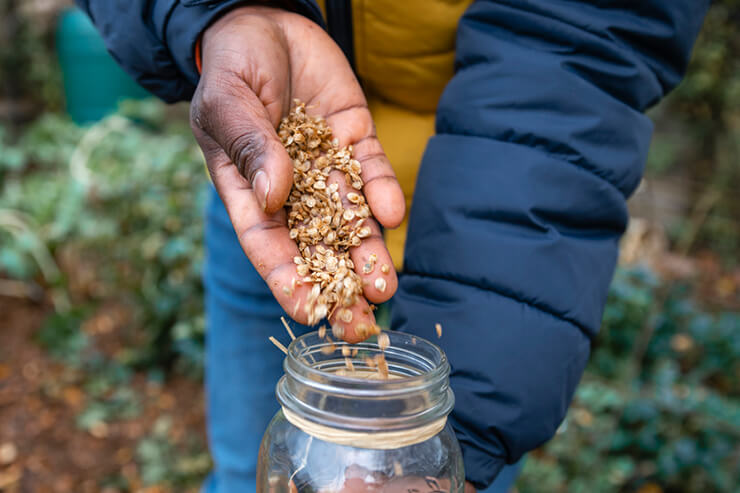
Every tomato season ends the same way—plants pulled, beds cleaned, tools washed—but for attentive gardeners, something important remains.
Potential.
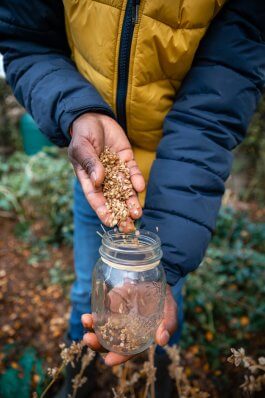
Inside every ripe tomato is next year’s garden, quietly waiting. Seed saving isn’t just thrift or nostalgia; it’s one of the most practical ways to improve your tomatoes year after year, adapting them to your soil, your climate, and your habits.
This chapter is about saving tomato seeds simply, safely, and successfully—without turning your kitchen into a science lab.
Why Save Tomato Seeds at All?
There are good reasons gardeners decide to save tomato seeds:
- Preserving favorite varieties
- Adapting tomatoes to local conditions
- Reducing seed costs
- Maintaining self-reliance
- Carrying personal garden history forward
When you save seeds from tomatoes that thrive in your garden, you’re quietly breeding plants that know exactly where they live.
“My tomatoes seem to know my soil better every year.”
— Ruth, Zone 6a, Pennsylvania
First Rule of Seed Saving: Know What You’re Saving
Not all tomatoes save true.
Heirloom and Open-Pollinated Varieties
These are ideal for seed saving.
- Offspring resemble the parent plant
- Traits remain stable
Hybrid Varieties
Seeds may grow—but results are unpredictable.
- Fruit may differ in size, flavor, or growth habit
- Sometimes fun, often disappointing
If consistency matters, save seeds from open-pollinated tomatoes.
Choosing the Right Tomatoes for Seed Saving
Seed quality starts in the garden.
Choose fruit that:
- Came from the healthiest plant
- Ripened fully on the vine
- Showed excellent flavor and performance
Avoid:
- Early fruit from stressed plants
- Tomatoes affected by disease
- Off-type or misshapen fruit
The best seeds come from the best tomatoes—not the leftovers.
The Fermentation Method (Simple and Effective)
Tomato seeds are surrounded by a gel that prevents premature germination. Fermentation removes it naturally.
What You’ll Need
- Fully ripe tomatoes
- A small jar or container
- Water
- A warm spot
Step-by-Step
- Scoop seeds and gel into a jar
- Add a little water
- Cover loosely
- Let sit 2–4 days
You’ll see bubbles and possibly mold. That’s normal.
When finished:
- Viable seeds sink
- Gel breaks down
Cleaning and Drying Seeds
After fermentation:
- Add water and swirl
- Pour off debris and floating material
- Repeat until seeds are clean
Dry seeds on:
- A plate
- Coffee filter
- Parchment paper
Avoid paper towels—seeds stick.
Dry thoroughly for at least a week, stirring occasionally.
Labeling: The Step Everyone Forgets
Label seeds immediately.
Include:
- Variety name
- Year
- Any notes about flavor or performance
Unlabeled tomato seeds are just tiny mysteries.
Storage: Keeping Seeds Viable
Store seeds:
- Cool
- Dry
- Dark
Good options include:
- Paper envelopes
- Glass jars with desiccant
- Airtight containers
Properly stored tomato seeds remain viable for 4–6 years—and often longer.
Preventing Cross-Pollination (When It Matters)
Tomatoes are mostly self-pollinating, but cross-pollination can occur.
If purity matters:
- Space different varieties apart
- Save seeds from isolated plants
- Use physical barriers if needed
For most home gardeners, minor crossing is rare and often harmless.
Testing Saved Seeds
Before committing an entire season:
- Germinate a few seeds
- Check sprouting rate
If most sprout quickly, you’re good to go.
Creating Your Own Local Strain
This is where seed saving gets exciting.
By consistently saving seeds from:
- Healthy plants
- Best flavor
- Strong disease resistance
…you slowly create tomatoes uniquely suited to your garden.
This isn’t fancy breeding—it’s observation and repetition.
Sharing Seeds (The Best Part)
Saved seeds make excellent gifts.
Sharing:
- Strengthens gardening communities
- Preserves rare varieties
- Spreads local success
A small envelope of tomato seeds carries more generosity than it appears.
Common Seed-Saving Mistakes
- Saving seeds from underripe fruit
- Skipping fermentation
- Storing seeds before fully dry
- Forgetting labels
None are fatal—but all are avoidable.
The Big Takeaway
Saving tomato seeds closes the gardening loop.
It turns:
- One good season into many
- Experience into resilience
- A harvest into a legacy
When you plant seeds saved from tomatoes you loved, you’re not starting over—you’re continuing a conversation that began seasons ago.
Coming Up Next
Now that you’ve carried tomatoes forward biologically, it’s time to improve them strategically.
Up next: Boosting Yield Without Sacrificing Flavor, where we explore techniques that increase productivity while keeping tomatoes worth eating.
Let’s Keep Growing