Give a Gift
 Previous
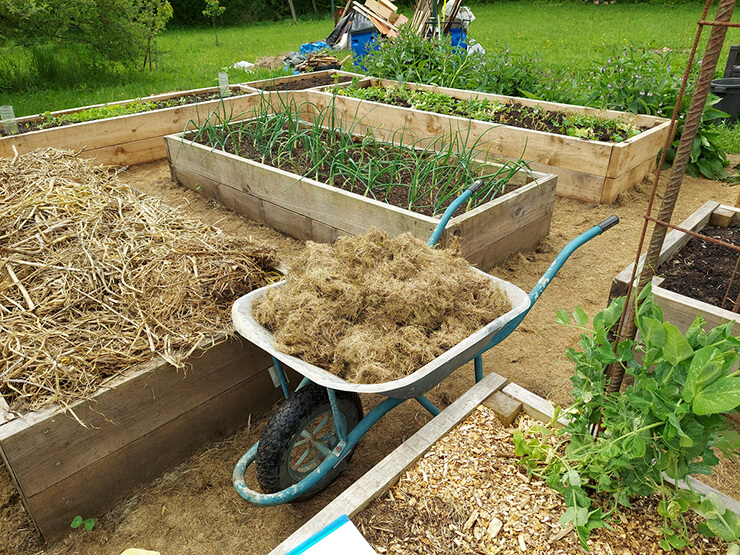
Raised beds have become the poster child of modern food gardening—and for good reason. They’re neat, productive, easier on the knees, and they let gardeners sidestep stubborn native soils. But what really makes raised beds shine isn’t the wood, stone, or metal frames. It’s what’s inside them: the soil.
If you’ve ever heard a gardener say, “My raised beds were incredible the first year, but then things slowed down,” you’ve just heard a raised bed soil story. This chapter is about how to build that soil right from the start—and how to keep it healthy and productive year after year.
Why Raised Beds Work
- Control: You decide what soil mix to use, avoiding poor native soil.
- Drainage: Beds warm and drain faster in spring, letting you plant earlier.
- Concentration: Nutrients and water are more accessible to plants.
- Accessibility: No bending or compacting the soil by walking on it.
As Nora from Wisconsin says:
“I built my first raised bed because I was tired of wrestling clay. Now I have five of them—and I’ll never go back.”
Building the Base: Layering 101
The classic raised bed soil recipe works well, but layering adds a little extra magic.
A Simple Layered Approach (Bottom to Top):
- Cardboard or newspaper – Smother weeds and grass, breaks down naturally.
- Coarse organic material – Twigs, straw, old leaves for drainage and airflow.
- Bulk filler – Partially decomposed compost, aged manure, or garden soil.
- Top mix – The good stuff: 40% compost, 40% topsoil, 20% aeration material (perlite, sand, or coir).
This “lasagna method” builds a fertile foundation and invites worms to move in.
Soil Depth Matters
- 12–18 inches: Best for most vegetables, especially root crops.
- 6–8 inches: Works for herbs, salad greens, strawberries.
- 24+ inches: Great for perennials, dwarf fruit trees, and deep-rooted crops.
If your bed isn’t that deep, don’t worry—plants will happily grow, but some crops may be limited in size or yield.
Refreshing Beds Each Year
Raised bed soil is like a bank account. Each season, you make withdrawals in the form of harvests. To stay solvent, you’ve got to make deposits.
- Top-dress with compost: Add 1–2 inches at the start of each season.
- Rotate crops: Don’t plant tomatoes in the same spot every year—switch families to prevent disease buildup.
- Mulch generously: Keeps soil biology active, reduces water loss, and breaks down into organic matter.
- Cover crop breaks: If you can spare a bed for a season, sow clover, buckwheat, or rye to recharge the soil.
When to Replace Soil
You don’t need to dump out your beds every few years, but occasionally they may need a partial reset. Signs it’s time:
- Soil is compacted and lifeless, with few worms.
- Yields are dropping despite compost and amendments.
- Salt buildup from repeated fertilizer use.
Fix: Remove 25–30% of old soil, mix in fresh compost, topsoil, and aeration material. For containers, go further (50% replacement each year).
Pest & Disease Considerations
Raised beds don’t make you immune to soilborne problems. If you’ve had blight, clubroot, or nematodes, give that bed a rest. Grow cover crops, solarize with clear plastic, or switch to different crops for a season or two.
Special Raised Bed Mixes
- For leafy greens: Compost-rich, steady nitrogen.
- For tomatoes & peppers: Add lime or crushed eggshells for calcium.
- For carrots & root crops: Loose, sandy-textured mix for straight roots.
- For berries: Acid-loving mix with peat/coir, compost, and pine needles.
As Liam from Oregon told me:
“I thought my carrots were just cursed—until I loosened the soil in my raised beds with extra sand. Suddenly I had prizewinners instead of corkscrews.”
A Gardener’s Reflection
Raised beds are a gift, but they need attention just like in-ground soil. Think of them as high-performance engines—they give you power and precision, but they also need regular tune-ups. Compost, mulch, rotation, and the occasional refresh will keep them humming for years.
Key Takeaway: Raised beds give you a head start, but long-term success comes from layering, refreshing, and feeding the soil every season. Treat your raised bed soil as a living system, and it will pay you back with bumper crops and fewer headaches.