Give a Gift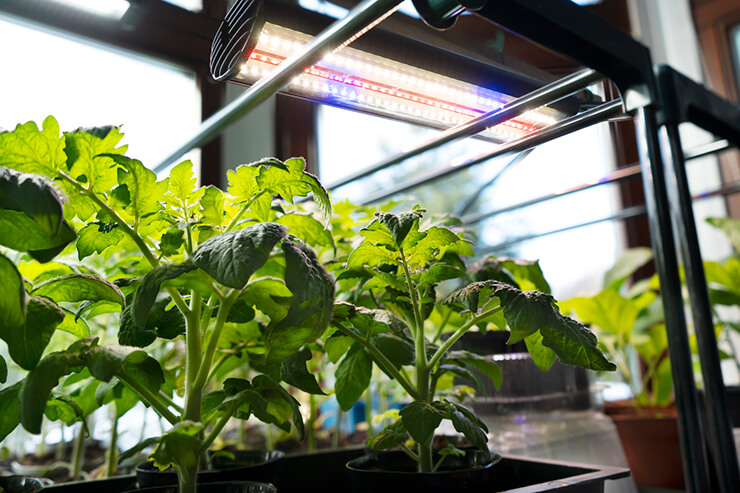
Let’s begin with a little honesty, because tomatoes deserve it—and so do you.
Growing tomatoes indoors with soil and grow lights can work.
It can be deeply satisfying.
It can even be productive.
But it is not the same as growing tomatoes outdoors in summer sunlight.
This chapter is about setting realistic expectations, choosing the right varieties, and using light, timing, and patience to grow indoor tomatoes that are worth the effort—not just an experiment you politely abandon in March.

Why Grow Tomatoes Indoors at All?
People grow tomatoes indoors for different reasons:
- To extend the season
- To harvest fresh tomatoes in winter
- To start plants early and keep them strong
- To garden when outdoor space is limited
Indoor growing trades quantity for control.
You may not get buckets of tomatoes—but you can get fresh, flavorful fruit when the garden outside is frozen solid.
“A winter tomato isn’t about volume—it’s about joy.”
— Claire, Zone 5b, Maine
The Reality Check (Read This First)
Indoor tomatoes:
- Grow more slowly
- Stay smaller
- Produce fewer fruit
- Require hands-on care
They also:
- Avoid weather stress
- Avoid many pests
- Allow total control over light and water
If your goal is winter abundance, focus on cherry and dwarf varieties. If your goal is learning and enjoyment, indoor growing delivers.
Choosing the Right Tomato Varieties for Indoors
This is the most important decision you’ll make.
Indoor tomatoes must be:
- Compact
- Efficient
- Comfortable in confined spaces
Best choices include:
- Dwarf tomato varieties
- Determinate or compact indeterminate types
- Cherry and grape tomatoes
Large slicers and sprawling vines are poor candidates unless you have a dedicated indoor grow room with serious lighting.
If a variety description includes words like compact, dwarf, patio, or container-friendly, pay attention.
Containers for Indoor Tomatoes
Indoor tomatoes still need room for roots.
Recommended container sizes:
- Dwarf and compact varieties: 3–5 gallons
- Larger indoor plants: 5–7 gallons
Use containers with:
- Drainage holes
- Saucers to protect floors
- Enough weight to stay stable
Place containers where water spills won’t cause heartbreak.
Soil: Light, Clean, and Well-Draining
Indoor tomatoes live in soil that must behave perfectly.
Use:
- High-quality potting mix
- Lightweight, sterile soil blends
Avoid:
- Garden soil
- Reused soil without sterilization
Enhance soil gently with:
- Compost (small amounts)
- Slow-release fertilizer
Overloading soil indoors leads to gnats, smells, and disappointment.
Grow Lights: The Non-Negotiable Ingredient
Tomatoes cannot thrive indoors on window light alone.
They need:
- Strong, full-spectrum grow lights
- 12–16 hours of light per day
- Consistent intensity
Key grow light guidelines:
- Position lights 6–12 inches above plants
- Adjust height as plants grow
- Use timers to maintain consistency
Leggy growth means insufficient light. Tomatoes are honest about this.
“Once I upgraded my lights, everything changed.”
— Daniel, Zone 6a, Illinois
Temperature and Airflow
Indoor tomatoes prefer:
- Daytime temperatures of 70–75°F
- Nighttime temperatures above 60°F
They also need airflow.
Use:
- A small oscillating fan
- Gentle air movement
This strengthens stems and reduces disease risk.
Watering Indoor Tomatoes
Indoor tomatoes want consistency without soggy soil.
Water:
- When the top inch of soil feels dry
- Slowly and thoroughly
- Until water drains out
Never let pots sit in standing water.
Overwatering indoors causes more problems than underwatering.
Feeding Indoor Tomatoes
Because indoor plants grow slowly, they need:
- Light, regular feeding
- Balanced nutrients
Use:
- Diluted liquid fertilizer every 2–3 weeks
- Slow-release fertilizer at planting
Avoid heavy nitrogen—it leads to lush leaves and no fruit.
Pollination: You’re the Bee Now
Indoors, tomatoes don’t get help from wind or insects.
You’ll need to assist.
Simple options include:
- Gently shaking the plant
- Tapping flower clusters
- Using a soft paintbrush
Pollinate every few days when plants are flowering.
It feels silly—until it works.
Managing Expectations and Enjoying the Process
Indoor tomatoes are not about efficiency.
They’re about:
- Freshness in winter
- Learning plant behavior
- Staying connected to gardening year-round
Celebrate each flower.
Celebrate each fruit.
Celebrate the fact that you’re growing tomatoes in January.
Common Indoor Tomato Mistakes
- Weak lighting: Tomatoes need intensity
- Overwatering: Let soil dry slightly
- Poor airflow: Use a fan
- Wrong varieties: Compact plants win
Indoor growing rewards attention—not shortcuts.
Why Indoor Tomato Growing Is Worth Trying
Even if you only harvest a handful of tomatoes, indoor growing:
- Sharpens your skills
- Extends your season
- Keeps gardening alive year-round
And sometimes, that’s more valuable than yield.
Coming Up Next
If growing indoors feels like careful choreography, hydroponics feels like precision engineering.
Next up, we’ll explore Growing Tomatoes Hydroponically, where nutrients, water, and light work together in a very different—but very powerful—way.
Let’s Keep Growing