Give a Gift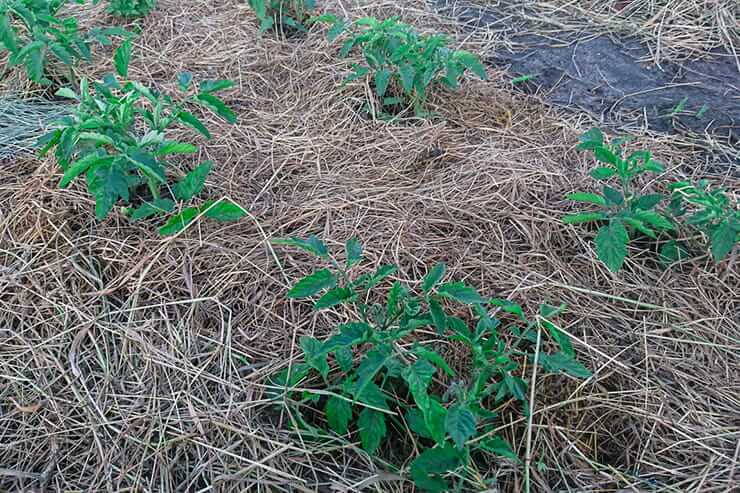
I’m still convinced that nothing quite matches a tomato grown with its roots deep in real earth.
There’s something deeply satisfying about growing tomatoes directly in the ground.
No containers to tip over.
No raised bed walls to lean on.
Just soil, sun, and a tomato plant that’s free to stretch its roots and settle in for the season.
In-ground tomatoes often grow:
- Bigger
- Deeper
- More resilient
But they also demand a little more planning up front. Once they’re planted, there’s no moving them to better light or warmer soil. What you prepare—and how you plant—sets the tone for the entire season.
Let’s do it right.
Why In-Ground Tomatoes Still Matter
With all the options available today—containers, raised beds, hydroponics—it’s fair to ask why in-ground growing still deserves attention.
Here’s why many experienced gardeners swear by it:
- Deep soil buffers temperature swings
- Roots access moisture more consistently
- Plants handle heat stress better
- Large indeterminate varieties thrive
- Flavor often improves with deeper root systems
In-ground tomatoes aren’t always the fastest starters—but they often finish strong.
“My in-ground tomatoes don’t rush. They build, then explode with fruit.”
— Gary, Zone 6a, Illinois
Choosing the Right Spot
Tomatoes are forgiving in many ways—but not about sunlight.
Sun Requirements
- Minimum: 6 hours of direct sun
- Ideal: 8 or more hours
Morning sun is especially valuable. It:
- Dries dew from leaves
- Reduces disease pressure
- Gets plants off to a strong start
Avoid locations:
- Shaded by trees in midsummer
- Blocked by fences or buildings
- Prone to standing water
If you’re choosing between two spots, choose the sunnier one—even if it’s less convenient.
Soil: The Foundation You Can’t Fake
Tomatoes are heavy feeders with refined tastes.
They want soil that is:
- Loose
- Well-drained
- Rich in organic matter
Ideal Soil Characteristics
- Slightly acidic (pH 6.0–6.8)
- Crumbly, not compacted
- Alive with microbial activity
If your soil is hard, sticky, or pale, tomatoes will struggle—no matter how much fertilizer you add.
Improving Garden Soil for Tomatoes
A few proven strategies:
- Add compost generously
- Work in aged manure (never fresh)
- Use leaf mold or well-rotted organic matter
- Avoid over-tilling, which destroys soil structure
You don’t need perfect soil—just improving soil.
“Every year I add compost, and every year my tomatoes thank me.”
— Susan, Zone 5b, Minnesota
Spacing: Give Them Room to Breathe
Crowding tomatoes is one of the most common—and costly—mistakes.
In-ground tomatoes need airflow.
General Spacing Guidelines
- Determinate: 18–24 inches apart
- Indeterminate: 24–36 inches apart
More space means:
- Better airflow
- Fewer disease issues
- Easier harvesting
- Stronger plants
If you’re tempted to squeeze in “just one more plant,” remember this:
Crowded tomatoes don’t yield more—they yield problems.
Planting Deep: One of Tomato’s Greatest Gifts
Tomatoes have a superpower: they can grow roots along buried stems.
Take advantage of it.
How to Plant Tomatoes In-Ground
- Dig a deep hole or trench
- Remove lower leaves
- Bury the stem so only the top leaves remain above soil
- Water deeply
This encourages:
- Stronger root systems
- Better drought resistance
- More stable plants
Leggy seedlings aren’t a failure—they’re an opportunity.
Watering In-Ground Tomatoes
In-ground tomatoes prefer:
- Deep watering
- Less frequent irrigation
- Consistency
Shallow, frequent watering leads to:
- Weak roots
- Stress
- Cracking fruit
Water at the base of the plant, not overhead, and aim for:
- One to two deep waterings per week
- More during extreme heat
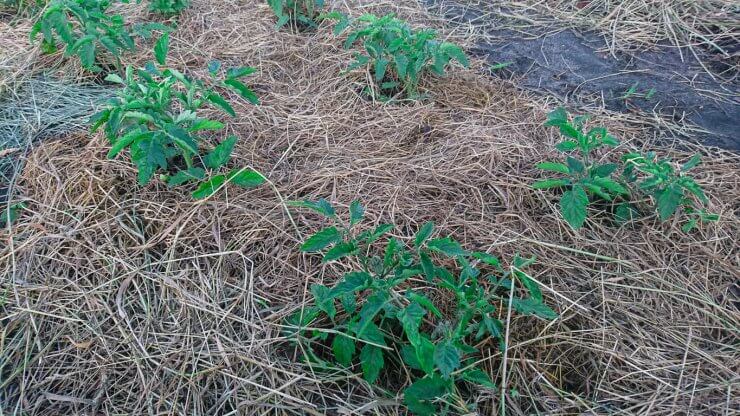
Mulch is your best ally here.
Mulching: The Unsung Hero
A thick layer of mulch:
- Retains moisture
- Regulates soil temperature
- Suppresses weeds
- Reduces soil splash (and disease)
Good mulch options include:
- Straw
- Shredded leaves
- Untreated grass clippings (thin layers)
Mulch after soil has warmed to avoid trapping cold.
Supporting In-Ground Tomatoes
Big plants need serious support.
Choose your system early:
- Sturdy cages
- Tall stakes
- Trellises
Install supports at planting time to avoid:
- Root damage
- Broken stems later
If you think your support is tall enough—add a foot.
Varieties That Shine In-Ground
In-ground gardens are ideal for:
- Large indeterminate slicers
- Heirlooms with deep flavor
- Long-season varieties
Gardeners in shorter seasons may prefer:
- Early-maturing determinates
- Cold-tolerant varieties
Long-season gardeners can indulge in:
- Massive beefsteaks
- Extended-harvest indeterminates
The soil gives you options—use them.
Common In-Ground Challenges (and How to Avoid Them)
- Soil compaction: Loosen soil before planting
- Disease pressure: Rotate crops and space plants
- Uneven watering: Mulch and water deeply
- Weeds: Mulch early and consistently
Most problems are easier to prevent than fix.
Why In-Ground Tomatoes Teach Patience
In-ground tomatoes often take a little longer to show off.
They’re building roots.
They’re settling in.
They’re preparing for the long haul.
And then, seemingly overnight, they take off.
When they do, you’ll understand why generations of gardeners still swear by growing tomatoes right in the earth.
Coming Up Next
Not everyone has in-ground space—and many gardeners choose a different path even when they do.
Up next, we’ll explore Growing Tomatoes in Raised Beds—where warmer soil, excellent drainage, and thoughtful design offer a powerful alternative.
Let’s Keep Growing