Give a Gift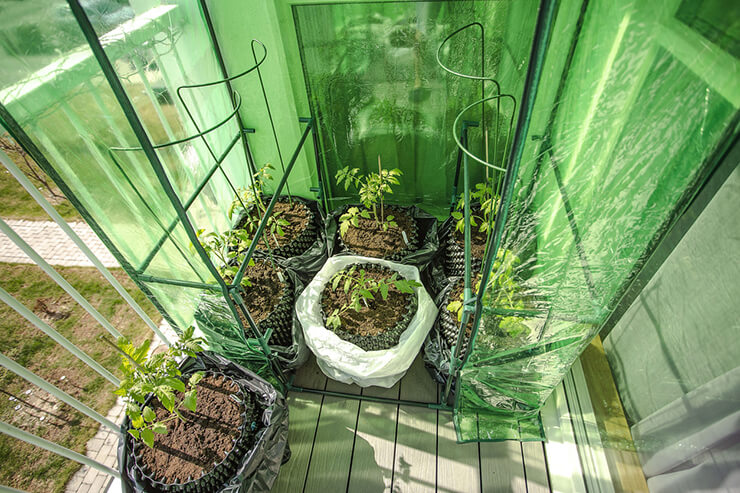
If tomatoes could choose where to grow, many of them would pick a greenhouse.
It’s warm when they want warmth.
Protected when weather turns ugly.
Bright, airy, and predictable in ways outdoor gardens rarely are.
Greenhouse tomato growing combines the freedom of soil with the precision of controlled environments. It allows gardeners to start earlier, grow longer, and harvest tomatoes that feel just a little bit extraordinary.
This chapter is about using that advantage wisely—because a greenhouse doesn’t forgive neglect, but it rewards attention spectacularly.

Why Greenhouses Are Tomato Magnets
Tomatoes thrive in greenhouses for some very specific reasons:
- Protection from frost, wind, and heavy rain
- Warmer soil and air temperatures
- Extended growing seasons
- Reduced disease pressure from soil splash
- Greater control over water and nutrients
For gardeners in short-season climates, greenhouses are a game-changer. For gardeners in long-season climates, they unlock earlier harvests and late-season tomatoes that would otherwise never happen.
“My greenhouse tomatoes don’t just grow longer—they grow better.”
— Elaine, Zone 5b, Vermont
Greenhouse Types and What They Mean for Tomatoes
Not all greenhouses behave the same way.
Common types include:
- Freestanding greenhouses
- Attached or lean-to greenhouses
- Hoop houses and high tunnels
Each provides varying degrees of control. Even simple structures dramatically improve tomato performance by:
- Trapping heat
- Blocking wind
- Stabilizing moisture
You don’t need a complex setup to see meaningful results.
Soil, Containers, or Hydroponics in a Greenhouse?
Greenhouses give you options.
Tomatoes can be grown:
- Directly in greenhouse beds
- In large containers or grow bags
- Hydroponically
Each approach works—but consistency matters more than method.
Soil-grown greenhouse tomatoes often deliver the best flavor. Container and hydroponic systems offer precision and cleanliness. Choose what matches your comfort level and maintenance style.
Choosing Tomato Varieties for Greenhouse Success
Greenhouses favor tomatoes that:
- Grow tall
- Produce over a long season
- Benefit from protection
Top greenhouse candidates include:
- Indeterminate slicers
- Cherry and grape tomatoes
- Heirloom varieties that struggle outdoors
Determinates can work—but they rarely take full advantage of the extended season.
Planting and Spacing in Greenhouses
Greenhouse tomatoes grow big.
Plan for:
- Wider spacing than outdoor gardens
- Strong vertical support
- Clear walkways for airflow and access
Crowding in a greenhouse leads to:
- Poor airflow
- Higher humidity
- Disease problems
Less planting equals more harvesting.
Supporting Greenhouse Tomatoes
Support systems are essential—and often vertical.
Common methods include:
- Overhead strings and clips
- Trellises
- Tall stakes
Install supports early. Once greenhouse tomatoes get going, they move fast.
Training vines upward improves:
- Airflow
- Light penetration
- Fruit quality
Watering and Feeding in Greenhouses
Greenhouse tomatoes prefer:
- Regular, predictable watering
- Even moisture
- No sudden stress
Because rain is removed from the equation, you control everything.
Use:
- Drip irrigation or hand watering at soil level
- Balanced feeding schedules
- Regular observation
Inconsistent watering is the fastest way to invite cracked fruit and blossom end rot.
Temperature Management: Ventilation Matters
Heat builds quickly in greenhouses—even in spring.
Tomatoes prefer:
- Daytime temperatures around 70–80°F
- Cooler nights
- Good airflow
Use:
- Roof vents
- Side vents
- Fans
A greenhouse without ventilation quickly becomes a tomato sauna—and tomatoes don’t love saunas.
Humidity and Disease Prevention
Greenhouses reduce some disease pressures but increase others.
High humidity can encourage:
- Fungal diseases
- Poor pollination
Counteract this with:
- Spacing
- Ventilation
- Morning watering
Healthy greenhouse tomatoes breathe fresh air.
Pollination in Greenhouses
Protected tomatoes still need help.
Pollination options include:
- Gentle shaking of vines
- Tapping flower clusters
- Fans to simulate wind
Without pollination, flowers drop and fruit never forms—no matter how healthy the plant looks.
Extending the Greenhouse Season
One of the great joys of greenhouse tomatoes is stretching the calendar.
You can:
- Start earlier in spring
- Harvest later in fall
- Grow tomatoes when neighbors can’t
Row covers, thermal mass (like water barrels), and attention to night temperatures all help push the season further.
Common Greenhouse Tomato Mistakes
- Overcrowding: Plants grow bigger than expected
- Poor ventilation: Heat and humidity build fast
- Under-supporting plants: Vines get heavy quickly
- Ignoring temperature swings: Monitor daily
Greenhouses magnify both good habits and bad ones.
Why Greenhouse Tomatoes Feel Special
Greenhouse tomatoes often taste richer, look cleaner, and grow more consistently.
They’re not magic—but they feel close.
They reward planning, observation, and a willingness to adjust as conditions change.
If you enjoy dialing in details and stretching what’s possible in your climate, greenhouse tomatoes are deeply satisfying.
Coming Up Next
Now that we’ve covered where tomatoes grow best, it’s time to focus on what keeps them thriving all season long.
Up next: Soil Health and Tomato Nutrition, where we’ll dig into feeding tomatoes properly—without turning your garden into a chemistry experiment.
Let’s Keep Growing