×
  • Home
  • Daily
    • Buyers Guides
    • Composting
    • Container Gardening
    • Easy Healthy Recipes
    • Food Preservation
    • Garden Design
    • Garden Tools
    • Gardening LIfe
      • Animals in the Garden
      • Funny Business
      • Gardening History
      • Gardening Humor
      • Gardening Mishaps
      • Gardening Poems
      • Gardening Romance
      • Gardening Science
      • Gardening with Kids
      • Healing Gardens
      • Joy of Gardening
      • Mystical Gardens
      • Ornamental Gardening
    • Growing Fruits & Berries
    • Indoor Gardening
    • Pests & Diseases
    • Seeds & Seedlings
    • Soil & Fertilizer
    • Spice & Herb Gardening
    • Vegetable Gardening
    • Watering & Irrigation
  • Freebies
  • Videos
  • Libraries
    • Food Gardening Magazine
    • GreenPrints Magazine
    • RecipeLion Magazine
    • GuideBooks
    • Cookbooks
      • Beverages
      • Bakery
      • Breakfast
      • Appetizers
      • Salads & Dressings
      • Soups
      • Entrées
      • Side Dishes & Sauces
      • Desserts
    • Story Collections
    • StoryBooks
    • Recipe Collections
  • Kits
    • Garden Calendars
    • Garden Plans
    • Recipe Cards
    • Greeting Cards
    • ArtPrints
  • Book Club
  • About Us
  • Contact Us
  • Affiliate Program
  • Sponsor Program
  • Give a Gift
  • Privacy Policy & Terms of Use
  • Authors
  • GreenPrints Writer’s Guidelines
  • Keyword Index
  • Join
Crochet, Food Gardening, Knitting, Quilting, Rug Hooking, Sewing

Food Gardener's Book Club

Give a GiftJoin
Visit Our Amazon Store!
  • Daily
    • Buyers Guides
    • Composting
    • Container Gardening
    • Easy Healthy Recipes
    • Food Preservation
    • Garden Design
    • Garden Tools
    • Gardening Life
      • Animals in the Garden
      • Funny Business
      • Gardening History
      • Gardening Humor
      • Gardening Mishaps
      • Gardening Poems
      • Gardening Romance
      • Gardening Science
      • Gardening with Kids
      • Healing Gardens
      • Joy of Gardening
      • Mystical Gardens
      • Ornamental Gardening
    • Growing Fruits & Berries
    • Indoor Gardening
    • Pests & Diseases
    • Seeds & Seedlings
    • Soil & Fertilizer
    • Spice & Herb Gardening
    • Vegetable Gardening
    • Watering & Irrigation
  • Freebies
  • Videos
  • Libraries
    • Food Gardening Magazine
    • GreenPrints Magazine
    • RecipeLion Magazine
    • GuideBooks
    • Cookbooks
      • Beverages
      • Bakery
      • Breakfast
      • Appetizers
      • Salads & Dressings
      • Soups
      • Entrées
      • Side Dishes & Sauces
      • Desserts
    • Story Collections
    • StoryBooks
    • Recipe Collections
  • Kits
    • Garden Calendars
    • Garden Plans
    • Recipe Cards
    • Greeting Cards
    • ArtPrints
  • Book Club
  • Visit Our Amazon Store!|
  • Sign In
  • Search

Growing Tomatoes Hydroponically

Growing Tomatoes Hydroponically

Precision Gardening for Big Results in Small Spaces

By Don Nicholas

If growing tomatoes in soil is a conversation with nature, growing tomatoes hydroponically is more like a carefully managed partnership.

Every input matters.
Every adjustment shows results.
And when it’s working, it can feel a little bit like gardening with superpowers.

Hydroponic tomatoes grow faster, often yield more, and let you control nearly every variable—light, nutrients, water, and environment. But they also demand attention and curiosity. This isn’t a “set it and forget it” method.

This chapter is about what hydroponics does best, where it can frustrate you, and how to grow hydroponic tomatoes that actually taste good—not just impressive.
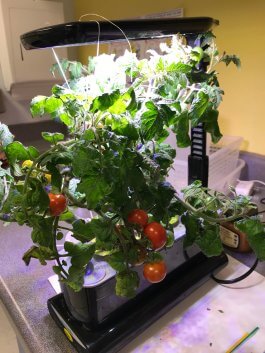
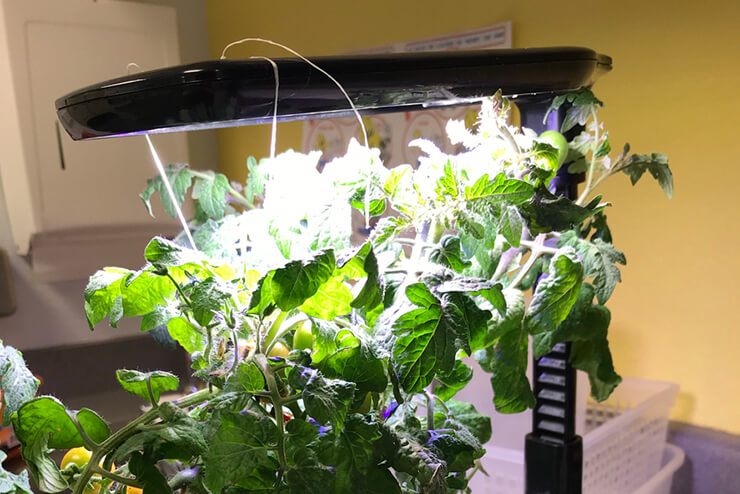
Why Grow Tomatoes Hydroponically?

Gardeners turn to hydroponics for good reasons:

  • Limited space
  • Poor or nonexistent soil
  • Year-round growing
  • Faster growth and earlier harvests

Hydroponics removes soil from the equation entirely, which means:

  • No soil-borne diseases
  • No weeding
  • Extremely efficient nutrient uptake

When conditions are right, tomatoes respond with enthusiasm.

“My hydroponic tomatoes grow twice as fast—and they don’t know winter exists.”
— Kevin, Zone 5a, Michigan

A Quick Hydroponics Reality Check

Hydroponics offers control—but not forgiveness.

Expect:

  • Rapid growth
  • Fast feedback when something is wrong
  • A learning curve

Hydroponic systems magnify mistakes quickly. The upside? They also reward good habits immediately.

If you enjoy tinkering, measuring, and optimizing, hydroponics can be deeply satisfying.

Choosing the Right Tomato Varieties for Hydroponics

Not all tomatoes thrive hydroponically.

The best candidates are:

  • Cherry and grape tomatoes
  • Compact indeterminate varieties
  • Dwarf tomatoes

Large beefsteaks can be grown hydroponically—but they require:

  • Strong supports
  • Excellent lighting
  • Careful nutrient management

If you’re new to hydroponics, start small-fruited and forgiving.

Common Hydroponic Systems for Tomatoes

Several systems work well for tomatoes, including:

  • Deep Water Culture (DWC)
  • Dutch bucket systems
  • Drip irrigation systems
  • Ebb and flow systems

Each has strengths, but all share the same fundamentals:

  • Oxygenated roots
  • Balanced nutrients
  • Clean water

Choose a system that matches your comfort level and available space.

Starting Tomatoes for Hydroponics

Hydroponic tomatoes usually begin:

  • From seed
  • Or from very young seedlings

Start seeds in:

  • Rockwool cubes
  • Coco coir plugs
  • Other inert growing media

Transplant seedlings into the system once roots are well established but not tangled.

Clean starts reduce disease risk.

Light: The Engine of Hydroponic Growth

Hydroponic tomatoes require strong, consistent light.

They thrive with:

  • Full-spectrum LED grow lights
  • 12–16 hours of light daily
  • Proper light distance to prevent stretch or burn

Without adequate light, hydroponic systems underperform—no matter how perfect the nutrients are.

Nutrients: Feeding Tomatoes Directly

In hydroponics, nutrients are delivered straight to the roots.

This requires:

  • Balanced hydroponic nutrient solutions
  • Attention to nitrogen, phosphorus, potassium, calcium, and micronutrients
  • Regular monitoring

Key principles:

  • Follow manufacturer guidelines
  • Avoid overfeeding
  • Adjust nutrient strength as plants mature

Blossom end rot and poor fruit quality often trace back to nutrient imbalance.

Water Quality and Monitoring

Hydroponic tomatoes depend entirely on water quality.

Pay attention to:

  • Clean water sources
  • Regular reservoir changes
  • pH balance

Most tomatoes prefer:

  • Slightly acidic conditions (around pH 5.8–6.5)

Regular monitoring prevents small issues from becoming system-wide failures.

Temperature, Airflow, and Humidity

Even in hydroponics, tomatoes care about their environment.

Ideal conditions include:

  • Daytime temperatures around 70–75°F
  • Good airflow to strengthen stems
  • Moderate humidity

Use fans to keep air moving and reduce disease risk.

Pollination in Hydroponic Systems

Indoor hydroponic tomatoes still need pollination help.

Options include:

  • Gentle shaking
  • Tapping flower clusters
  • Hand pollination

Greenhouse hydroponic setups may benefit from natural airflow or pollinators—but indoors, you’re usually the bee.

Supporting Hydroponic Tomatoes

Hydroponic tomatoes grow fast—and heavy.

Plan supports early:

  • Trellises
  • Strings and clips
  • Stakes

Install support before plants need it. Once fruit sets, hydroponic tomatoes don’t wait.

Common Hydroponic Tomato Challenges

  • Rapid nutrient imbalance: Monitor regularly
  • Root issues: Keep systems clean and oxygenated
  • Weak flavor: Don’t push growth too hard
  • Overconfidence: Stay curious

Hydroponics rewards attention—not assumptions.

Flavor and Nutrition: Slowing Down Just Enough

Fast growth is impressive—but flavor comes from balance.

To improve taste:

  • Avoid excessive nitrogen
  • Allow fruit to ripen fully
  • Maintain stable conditions

Hydroponic tomatoes can be exceptionally flavorful when grown thoughtfully.

Why Hydroponic Tomatoes Are Worth the Effort

Hydroponics isn’t for everyone—but for gardeners who enjoy precision, it offers:

  • High productivity
  • Efficient use of space
  • Year-round growing
  • A deeper understanding of plant nutrition

It’s gardening distilled down to its essentials—and tomatoes respond beautifully.

Coming Up Next

Now that we’ve explored soil, containers, indoor growing, and hydroponics, it’s time to step into a protected environment that blends the best of all worlds.

Next up: Growing Tomatoes in Greenhouses, where season extension, climate control, and tomato ambition truly come together.

Let’s Keep Growing

« Determinate vs. Indeterminate
Growing Tomatoes in Greenhouses »

Tags

dwarf tomatoes, grow lights, growing tomatoes, growing tomatoes hydroponically, hydroponic tomatoes, hydroponics, led grow lights, tomato varieties, tomatoes, what hydroponics

Comments

Click here to cancel reply.

Leave a Reply Cancel reply

Your email address will not be published. Required fields are marked *

Give a Gift

FREEBIE!

With your FREEBIE, you’ll also receive regular email messages from the Food Gardening Network. You can unsubscribe at any time.

Your email address is private. We promise never to sell, rent or disclose your email address to third parties.

Freebies

  • Worst Best Gardening Jokes Calendar
  • 5 Easy Healthy Carrot Recipes
  • 5 Easy Healthy Lemon Recipes
  • 5 Easy Healthy Salsa Recipes
  • 5 Easy Healthy Apple Recipes
  • 5 Easy Healthy Chicken Breast Recipes
  • Top 11 Food Gardening Tools You Need to Succeed
  • A Printable Companion Planting Chart
  • Plants for Bug Control Chart
  • Printable Seed Germination Temperature Chart
  • Printable Tomato Garden-to-Table Chart
  • Planning Your Perfect Food Garden
  • Printable Butterfly Garden Planting Chart
  • The Best Way to Grow Tomatoes
  • Printable Composting 101 Charts
  • How to Master Spice and Herb Gardening at Home
  • 10 Best Garden Poems of All Time
  • Vegetable Garden Planting Chart Freebie
  • Printable Flower Garden Companion Planting Chart
  • 10 Things You Can Grow That Your Pet Will LOVE To Eat!
  • Rose Garden Planting Chart Freebie
  • Printable Kitchen Garden Planting Charts
  • Sunflower Garden Planting Chart Freebie
  • Seasonal ArtPrints Collection Kit Sampler
  • Sampler: Gardening Humor
  • Sampler: Wit, Wisdom, & Learning
  • Gardening in Every Season
  • How to Start a Freedom Garden
  • Recipes from Your Garden
  • Sampler: Animals in the Garden
  • Sampler: Healing Gardens
  • Sampler: Joy of Gardening
  • Growing Vegetables Indoors for Beginners
  • 15 Easiest Fruits to Grow at Home
  • How to Grow a Vegetable Garden

Browse Topics

  • Buyers Guides
  • Composting
  • Container Gardening
  • Easy Healthy Recipes
  • Food Preservation
  • Garden Design
  • Garden Tools
  • Gardening Life
  • Growing Fruits & Berries
  • Indoor Gardening
  • Ornamental Gardening
  • Pests & Diseases
  • Seeds & Seedlings
  • Soil & Fertilizer
  • Spice & Herb Gardening
  • Uncategorized
  • Vegetable Gardening
  • Watering & Irrigation

Buyers Guides:

  • 9 Automated Garden Tools for Effortless Growing
  • 12 Cool Gardening Tools and Gifts for the Plant Lover in Your Life
  • Choosing the Best Shovel for Your Gardening Needs
  • 10 Gardening Tools for Seniors That Actually Make a Difference
  • This Countertop Compost Machine Turns Scraps into Compost in a Few Hours
  • 10+ Food Gardening Gadgets We Love
  • 15 Adaptive and Accessible Gardening Tools and Raised Beds
  • 13 Canning Tools, Supplies & Equipment You Need
  • The 3 Best Gardening Shoes
  • 5+ Best Bird Deterrents for Gardens
  • Shop Our Amazon Store

Authors:

  • Bill Dugan
  • Amanda MacArthur
  • Mike McGrath
  • Don Nicholas
  • Norann Oleson
  • Christy Page
  • Becky Rupp
  • Beth Rush
  • Pat Stone
  • Diana Wells

Enter Your Log In Credentials

This setting should only be used on your home or work computer.

  • Lost your password? Create New Password
  • No account? Sign up

Need Assistance?

Call Food Gardening Network Customer Service at
(800) 777-2658

Food Gardening Network is an active member of the following industry associations:

  • American Horticultural Society
  • GardenComm Logo
  • GardenComm Laurel Media Award
  • MCMA logo
  • Join Now
  • Learn More
  • About Food Gardening Network
  • Contact Us
  • Affiliate Program
  • Sponsor Program
  • Give a Gift
  • Privacy Policy & Terms of Use
  • Food Gardener’s Book Club FAQ

Food Gardening Network
99 Derby Street, Suite 200
Hingham, MA 02043
support@foodgardening.mequoda.com

To learn more about our Email Marketing and Broadcasting Services, Exchange Program, or to become a marketing partner with any of our publications, click here to contact us at Mequoda Publishing Network.

FREE E-Newsletter for You!

Discover how to grow, harvest, and eat good food from your own garden—with our FREE e-newsletter, delivered directly to your email inbox.

  • Facebook
  • Twitter
  • Instagram
  • Pinterest

Powered by
Mequoda Publishing Network
copyright © 2026 Mequoda Systems, LLC

Food Gardening Network®, Food Gardening Magazine® and GreenPrints® are registered trademarks of Mequoda Systems, LLC.