Give a Gift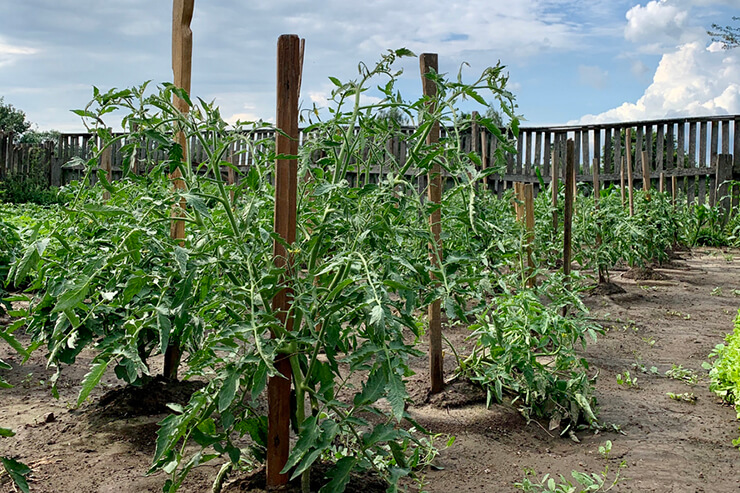
I’ve learned the hard way that not all tomatoes grow with the same intentions.
If I could go back in time and whisper one piece of tomato wisdom to my younger gardening self, it would be this:
Figure out whether your tomatoes are determinate or indeterminate before you plant them.
This single distinction quietly influences:
- How big your plants get
- How much support they need
- When you harvest
- How long they produce
- How much pruning makes sense
- Whether your garden feels orderly… or slightly feral
And yet, it’s one of the most commonly overlooked details on a seed packet.
Let’s fix that.
Why This Distinction Matters So Much
Determinate and indeterminate tomatoes aren’t just different sizes.
They have entirely different life strategies.
Think of it this way:
- One is a sprinter
- One is a marathon runner
Neither is better.
But choosing the wrong one for your space, schedule, or goals can make the season feel harder than it needs to be.
Determinate Tomatoes: Built with a Plan
Determinate tomatoes grow to a predetermined size, set most of their fruit over a relatively short period, and then… they’re done.
They are focused.
They are efficient.
They are not interested in endless growth.
What Determinate Tomatoes Do Well
- Stay compact
- Produce a large harvest all at once
- Require minimal pruning
- Fit beautifully in containers and raised beds
What Determinate Tomatoes Are Best For
- Sauce and paste tomatoes
- Canning and preserving
- Gardeners who want a predictable harvest window
- Smaller spaces
Once determinate tomatoes set fruit, their energy shifts almost entirely to ripening. They are all-in on the mission.
“My determinate tomatoes give me a glorious two-week window of sauce-making madness—and then I get my life back.”
— Ellen, Zone 6b, Pennsylvania
Indeterminate Tomatoes: The Overachievers
Indeterminate tomatoes have no preset stopping point.
They will:
- Keep growing
- Keep flowering
- Keep producing
…until frost, disease, or exhaustion ends the season.
These are the vines that:
- Outgrow their cages
- Climb trellises with enthusiasm
- Make you wonder if they’re planning a garden takeover
What Indeterminate Tomatoes Do Well
- Produce steadily all season
- Offer continuous harvests
- Grow large, impressive plants
- Excel in long growing seasons and protected environments
What Indeterminate Tomatoes Are Best For
- Fresh eating throughout summer
- Slicing tomatoes
- Cherry and snacking tomatoes
- Greenhouses and in-ground gardens
“I grow indeterminates because I want tomatoes in July, August, September—and sometimes October.”
— Carlos, Zone 9b, California
Growth Habit in the Garden: What It Actually Looks Like
Here’s how this plays out in real life.
Determinate in the Garden
- Bushy, compact plants
- Fewer support structures
- Limited height
- Shorter season of production
They behave themselves.
Indeterminate in the Garden
- Tall, sprawling vines
- Constant need for support
- Ongoing pruning decisions
- Long, rewarding harvest season
They demand attention—but they give back generously.
Pruning: A Completely Different Conversation
This is where many gardeners get tripped up.
Pruning Determinate Tomatoes
- Minimal pruning recommended
- Removing too many branches can reduce yield
- Focus on removing damaged or diseased growth only
Determinate tomatoes already know when to stop. Don’t rush them.
Pruning Indeterminate Tomatoes
- Pruning is optional—but powerful
- Helps manage size
- Improves airflow
- Can increase fruit size and quality
Indeterminates give you choices:
- Fewer stems, bigger fruit
- More stems, more fruit
- Cleaner structure or joyful chaos
There’s room for preference here—and we’ll dig deeper into this later.
Support Systems: Match the Habit, Not the Hype
Choosing the right support becomes obvious once you know the growth habit.
Determinate Supports
- Short cages
- Stakes
- Tomato ladders
- Containers with built-in trellises
Indeterminate Supports
- Tall cages
- Strong stakes
- Trellises
- Greenhouse strings and clips
If your support system feels inadequate, it probably is.
Timing Your Harvest (and Your Expectations)
Determinate Tomatoes
- Heavy harvest over a short window
- Ideal for batch cooking and preserving
- Less daily picking
Indeterminate Tomatoes
- Ongoing harvest
- Ideal for fresh eating
- Requires regular monitoring and picking
One is a big event.
The other is a long relationship.
Which Should You Choose? Ask Yourself This
Before planting, ask:
- Do I want tomatoes all season—or all at once?
- How much space do I have vertically?
- Am I growing for sauce, fresh eating, or both?
- How much pruning and support am I willing to do?
Many experienced gardeners—myself included—choose both.
A Practical Strategy I Recommend
I like to plant:
- Determinate tomatoes for sauce and preserving
- Indeterminate tomatoes for fresh eating
This gives me:
- Predictable harvests
- Long-season enjoyment
- Flexibility when weather surprises me
It also keeps me from trying to can tomatoes one jar at a time—or eating thirty slicers in one week.
The Big Takeaway
Determinate and indeterminate tomatoes aren’t competing ideas.
They’re tools.
Once you understand how each grows, you stop fighting the plant and start designing a season that works for:
- Your space
- Your schedule
- Your kitchen
- Your sanity
And that’s when tomato growing gets a whole lot more enjoyable.
Coming Up Next
Now that you know what tomatoes you want—and how they grow—it’s time to talk about how to start them.
Up next: Seeds, Seedlings, and Starts—and how to choose the healthiest beginning for a tomato season that actually delivers.
Let’s Keep Going