Give a Gift
 Previous
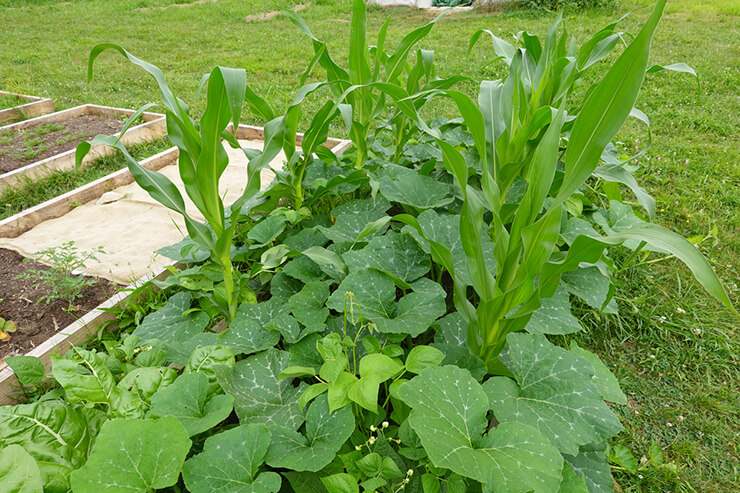
If mulch is the soil’s blanket and cover crops are its armor, then crop rotation is its compass. What you plant—and when—can either drain the soil or restore it. Rotation is the gardener’s way of ensuring balance: feeding different crops in sequence so that no single plant family wears out its welcome or depletes the ground beneath it.
Why Rotate?
- Nutrient management: Heavy feeders (like corn and tomatoes) can follow nitrogen-fixers (like peas and beans).
- Disease prevention: Avoids buildup of pests and diseases tied to plant families.
- Weed suppression: Different crops shade soil differently, breaking weed cycles.
- Soil structure: Roots of various depths loosen and condition the soil.
“Before I rotated crops, my tomatoes were always sickly by August. Once I started rotating families, the blights calmed down and my soil held steady.” —Karen, Wisconsin
Understanding Plant Families
Crop rotation works best when you group crops by botanical family. Here are the big ones for food gardeners:
- Solanaceae (Nightshades): Tomatoes, peppers, eggplant, potatoes
- Fabaceae (Legumes): Peas, beans, clover, alfalfa
- Brassicaceae (Brassicas): Broccoli, cabbage, kale, radish, mustard
- Cucurbitaceae (Cucurbits): Squash, cucumbers, melons, pumpkins
- Alliaceae (Alliums): Onions, garlic, leeks, shallots
- Poaceae (Grasses): Corn, wheat, oats, rye
- Miscellaneous: Lettuce, carrots, beets, spinach, herbs
Rotating by family—rather than just by individual crop—keeps soil balanced and reduces risks of disease.
A Simple Four-Year Rotation
- Legumes (Peas/Beans) → Fix nitrogen
- Leafy Greens (Lettuce/Brassicas) → Use nitrogen
- Fruit-Bearers (Tomatoes, Peppers, Cucumbers, Squash) → Heavy feeders
- Root Crops (Carrots, Beets, Onions, Potatoes) → Benefit from loosened soil
Then repeat!
Raised Beds and Containers
- Raised beds: Easy to assign a rotation cycle per bed. Keep a journal or sketch of what went where.
- Containers: More challenging—replace or refresh soil each year, or rotate crops between pots.
Seasonal Rotation Tips
- Spring: Plant nitrogen-fixers in early beds (peas, beans).
- Summer: Follow with heavy feeders (corn, tomatoes).
- Fall: Cool-season leafy crops (kale, spinach).
- Winter: Sow cover crops or mulch heavily for soil rest.
Common Rotation Mistakes
- Rotating too little → Moving tomatoes one bed over isn’t enough if it’s still the same soil zone.
- Forgetting perennials → Asparagus, strawberries, and rhubarb stay put, but rotate annuals around them.
- Ignoring weeds and volunteers → Rogue potatoes or tomatoes can carry diseases into new cycles.
Advanced Soil Balance Strategies
- Interplanting: Mix fast and slow growers for balance.
- Polyculture: Rotate within a season—like radishes with later-developing squash.
- Zone-specific planning: In short-season zones (3–5), tighter cycles may be necessary. In long-season zones (9–12), you may rotate twice in one year.
A Gardener’s Reflection
Crop rotation isn’t about making life harder—it’s about making life easier for your soil. Just like a balanced diet keeps people healthy, a balanced crop cycle keeps soil alive and strong.
As Miguel from Texas put it:
“When I stopped planting tomatoes in the same spot every year, my yields doubled. Turns out my soil just needed a break!”
Key Takeaway: Rotate crops by family, cycle through four-year plans when possible, and adapt rotation to beds, containers, and zones. This keeps nutrients in balance, pests at bay, and soil healthier for the long haul.