×
  • Home
  • Daily
    • Buyers Guides
    • Composting
    • Container Gardening
    • Easy Healthy Recipes
    • Food Preservation
    • Garden Design
    • Garden Tools
    • Gardening LIfe
      • Animals in the Garden
      • Funny Business
      • Gardening History
      • Gardening Humor
      • Gardening Mishaps
      • Gardening Poems
      • Gardening Romance
      • Gardening Science
      • Gardening with Kids
      • Healing Gardens
      • Joy of Gardening
      • Mystical Gardens
      • Ornamental Gardening
    • Growing Fruits & Berries
    • Indoor Gardening
    • Pests & Diseases
    • Seeds & Seedlings
    • Soil & Fertilizer
    • Spice & Herb Gardening
    • Vegetable Gardening
    • Watering & Irrigation
  • Freebies
  • Videos
  • Libraries
    • Food Gardening Magazine
    • GreenPrints Magazine
    • RecipeLion Magazine
    • GuideBooks
    • Cookbooks
      • Beverages
      • Bakery
      • Breakfast
      • Appetizers
      • Salads & Dressings
      • Soups
      • Entrées
      • Side Dishes & Sauces
      • Desserts
    • Story Collections
    • StoryBooks
    • Recipe Collections
  • Kits
    • Garden Calendars
    • Garden Plans
    • Recipe Cards
    • Greeting Cards
    • ArtPrints
  • Book Club
  • About Us
  • Contact Us
  • Affiliate Program
  • Sponsor Program
  • Give a Gift
  • Privacy Policy & Terms of Use
  • Authors
  • GreenPrints Writer’s Guidelines
  • Keyword Index
  • Join
Crochet, Food Gardening, Knitting, Quilting, Rug Hooking, Sewing

Food Gardener's Book Club

Give a GiftJoin
Visit Our Amazon Store!
  • Daily
    • Buyers Guides
    • Composting
    • Container Gardening
    • Easy Healthy Recipes
    • Food Preservation
    • Garden Design
    • Garden Tools
    • Gardening Life
      • Animals in the Garden
      • Funny Business
      • Gardening History
      • Gardening Humor
      • Gardening Mishaps
      • Gardening Poems
      • Gardening Romance
      • Gardening Science
      • Gardening with Kids
      • Healing Gardens
      • Joy of Gardening
      • Mystical Gardens
      • Ornamental Gardening
    • Growing Fruits & Berries
    • Indoor Gardening
    • Pests & Diseases
    • Seeds & Seedlings
    • Soil & Fertilizer
    • Spice & Herb Gardening
    • Vegetable Gardening
    • Watering & Irrigation
  • Freebies
  • Videos
  • Libraries
    • Food Gardening Magazine
    • GreenPrints Magazine
    • RecipeLion Magazine
    • GuideBooks
    • Cookbooks
      • Beverages
      • Bakery
      • Breakfast
      • Appetizers
      • Salads & Dressings
      • Soups
      • Entrées
      • Side Dishes & Sauces
      • Desserts
    • Story Collections
    • StoryBooks
    • Recipe Collections
  • Kits
    • Garden Calendars
    • Garden Plans
    • Recipe Cards
    • Greeting Cards
    • ArtPrints
  • Book Club
  • Visit Our Amazon Store!|
  • Sign In
  • Search

Common Tomato Pests

Common Tomato Pests

And How to Outsmart Them Without Losing Your Mind

By Don Nicholas

At some point in every tomato season, you’ll walk into the garden feeling proud—only to notice something is chewing, sucking, tunneling, or otherwise treating your tomato plants like an all-you-can-eat buffet.

This is normal.
This is expected.
And this is not a personal failure.

Tomatoes are popular plants—not just with gardeners, but with insects who discovered them long before we did. The goal isn’t to create a pest-free garden (that’s fantasy). The goal is to notice problems early, respond calmly, and keep plants healthy enough to outgrow minor damage.

This chapter is about awareness, balance, and smart intervention—not panic spraying.
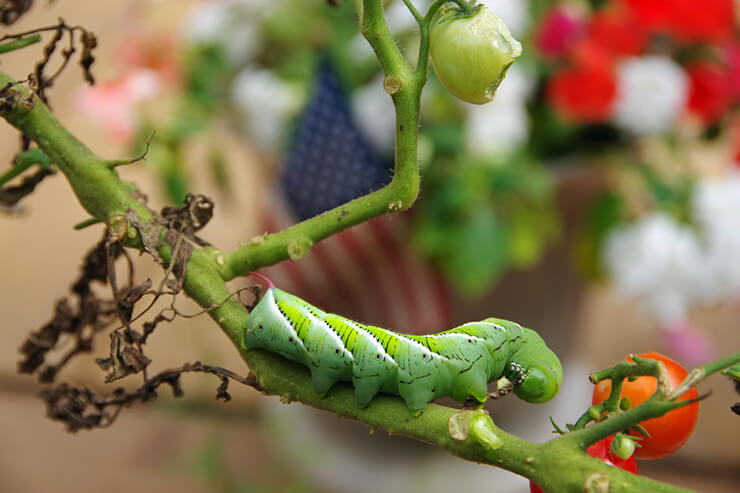
The First Rule of Tomato Pest Management

Healthy plants tolerate pests far better than stressed ones.

Most serious infestations begin when tomatoes are already struggling with:

  • Inconsistent watering
  • Poor airflow
  • Nutrient imbalance
  • Crowding

Strong plants recover quickly. Weak plants invite trouble.

“Once I focused on plant health instead of chasing every bug, pests stopped being a crisis.”
— Laura, Zone 6a, New Jersey

Meet the Usual Suspects

You don’t need to memorize every insect in the garden. Focus on the few that show up most often on tomatoes.
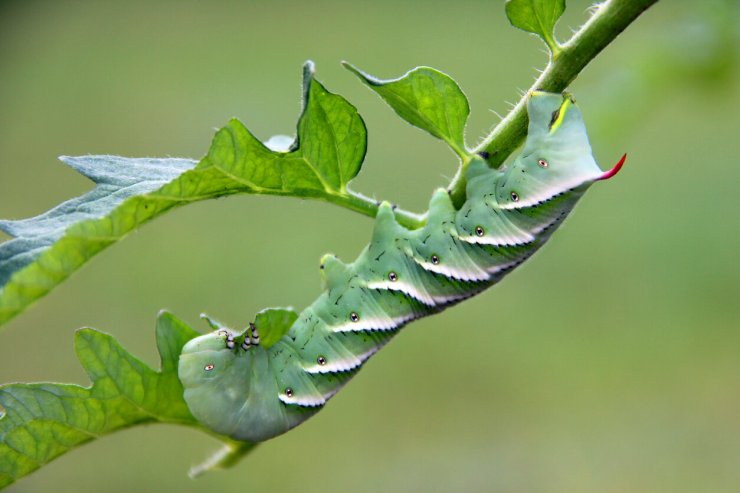
Tomato Hornworms: Big, Bold, and Startling

Tomato hornworms are large, green caterpillars that blend in disturbingly well.

Signs:

  • Missing leaves
  • Bare stems
  • Dark droppings on leaves or soil

What to do:

  • Handpick (the fastest and most effective solution)
  • Check plants early morning or evening
  • Look carefully—they hide in plain sight

One hornworm can cause a lot of drama. Calm inspection usually ends it.

“They’re horrifying—but easy once you actually see them.”
— Greg, Zone 7a, Maryland
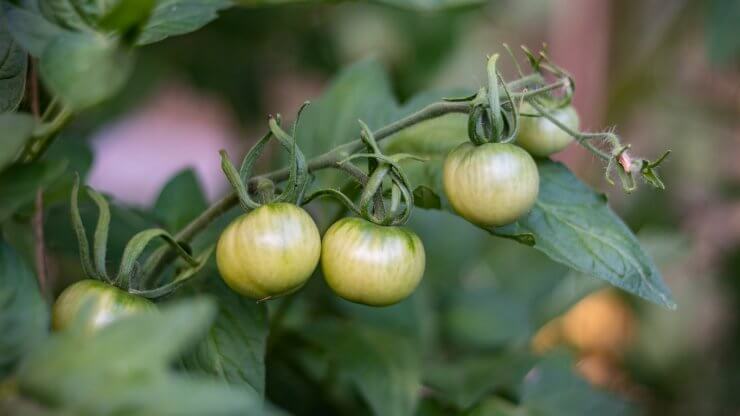
aphids on tomato plants

Aphids: Small, Sneaky, and Persistent

Aphids cluster on new growth and leaf undersides, sucking sap and slowing plants down.

Signs:

  • Sticky residue on leaves
  • Curled or distorted growth
  • Ant activity on plants

What to do:

  • Spray off with water
  • Remove heavily infested growth
  • Improve plant vigor

Aphids thrive on stressed plants. Fix conditions, and they often disappear.
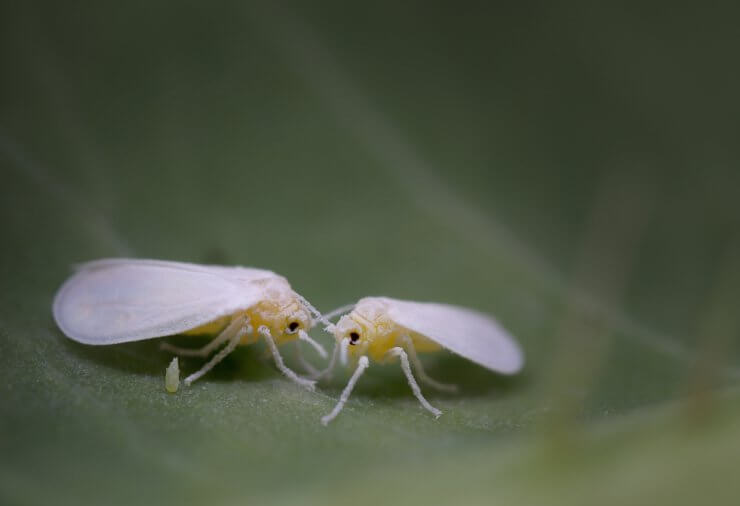
Whiteflies on leaf

Whiteflies: The Tiny Flyers

Whiteflies lift off in clouds when disturbed and weaken plants by feeding on leaf undersides.

What to do:

  • Remove badly infested leaves
  • Improve airflow
  • Monitor regularly

They multiply quickly in warm, stagnant conditions.
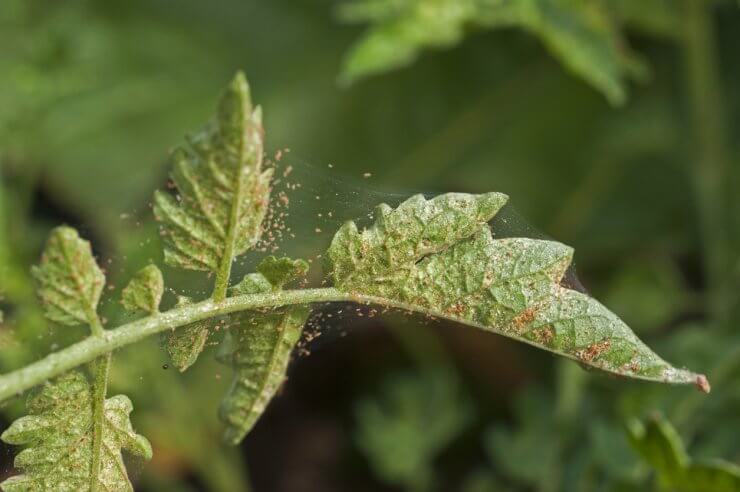
Spider Mites: Invisible but Destructive

Spider mites thrive in hot, dry conditions and often go unnoticed until damage appears.

Signs:

  • Fine stippling on leaves
  • Dull, dusty appearance
  • Fine webbing

What to do:

  • Increase humidity
  • Rinse leaf undersides
  • Remove affected foliage

Spider mites are a signal that conditions need adjustment.
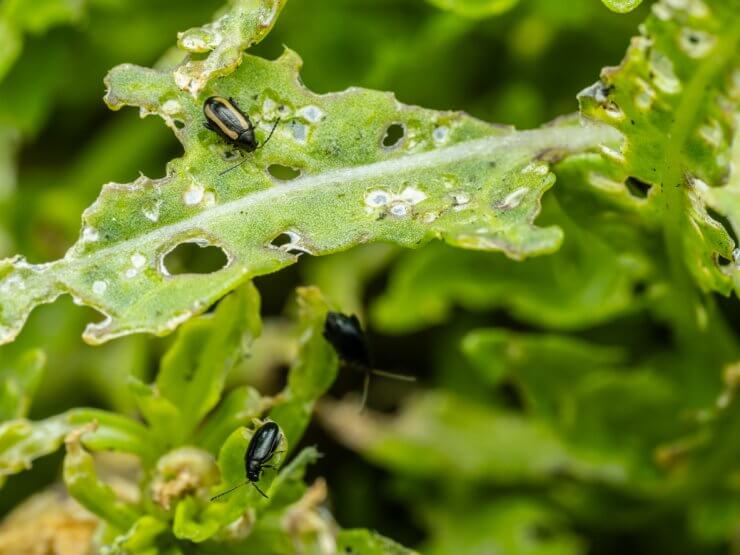
Flea Beetles: Pinholes with Attitude

Flea beetles chew tiny holes in leaves, especially on young plants.

What to do:

  • Protect seedlings early
  • Keep plants growing vigorously
  • Mature plants usually outgrow damage

Cutworms: Nighttime Saboteurs

Cutworms chew through young stems at soil level.

Prevention:

  • Use collars around transplants
  • Clear debris before planting
  • Inspect soil before setting plants

Once plants are established, cutworms usually move on.

Observation Is Your Best Pest Control Tool

Five minutes of observation beats five bottles of spray.

Get in the habit of:

  • Checking plants regularly
  • Looking under leaves
  • Noticing changes early

Most pest problems are manageable when caught early.

“Five minutes in the garden saves hours of frustration later.”
— Ben, Zone 5b, Colorado

Beneficial Insects: Your Built-In Defense System

Not all insects are enemies.

Lady beetles, lacewings, parasitic wasps, and other beneficial insects feed on tomato pests.

Encourage them by:

  • Avoiding broad-spectrum pesticides
  • Planting flowers nearby
  • Accepting minor leaf damage

A balanced garden polices itself.

A Simple, Organic, Nontoxic Homemade Bug Spray

Before reaching for anything harsh, start with this. It’s organic, nontoxic to people and pets, and effective when used correctly.

Basic Garden Soap Spray

Ingredients:

  • 1 quart (4 cups) water
  • 1 teaspoon pure liquid castile soap (or unscented, additive-free liquid soap)

Optional boost (for stubborn infestations):

  • ½ teaspoon neem oil

How to mix:

  1. Add water to a spray bottle
  2. Add soap (and neem oil if using)
  3. Gently swirl—do not shake aggressively

How This Spray Works

This is not poison.

  • Soap breaks down the protective coating of soft-bodied insects, causing dehydration
  • Neem oil disrupts feeding and reproduction

It works only by direct contact, which makes it precise and low-impact.

When to Use the Spray

Use it when you see:

  • Aphids clustering
  • Whiteflies increasing
  • Early spider mite activity

It works best:

  • Early in infestations
  • On soft-bodied pests
  • When sprayed directly on affected areas

When Not to Use It

Do not spray:

  • During extreme heat
  • On stressed or wilted plants
  • In direct midday sun
  • When beneficial insects are active
  • When damage is minor or cosmetic

Spraying stressed plants creates new problems.

How to Apply Correctly

  • Spray early morning or early evening
  • Target undersides of leaves
  • Avoid soaking flowers
  • Repeat every 5–7 days only if needed

Once pests are under control, stop spraying.

More is not better.

“Learning when to stop spraying was as important as learning when to start.”
— Ben, Zone 5b, Colorado

A Stronger Option (Use Sparingly)

For heavy aphid or mite pressure:

Garlic-Soap Spray

  • 1 quart water
  • 1 teaspoon liquid castile soap
  • 1 teaspoon garlic powder (not garlic salt)

Use as a spot treatment only. Test on one leaf and wait 24 hours before wider use.

Why Sprays Are a Last Step

Even gentle sprays treat symptoms, not causes.

Long-term pest resistance comes from:

  • Proper spacing
  • Consistent watering
  • Healthy soil
  • Good airflow

Most pests fade when conditions improve.

The Big Takeaway

Tomato pests are part of gardening—not a sign you’re doing something wrong.

With:

  • Healthy plants
  • Regular observation
  • Calm, targeted responses
  • A simple homemade spray used only when needed

…most pest problems stay small and manageable.

Tomatoes don’t need perfection.
They need balance.

Coming Up Next

Sometimes the issue isn’t insects at all—it’s disease, nutrient imbalance, or environmental stress wearing a clever disguise.

Up next: Tomato Diseases and Disorders, where we’ll learn how to read plant signals accurately and respond wisely.

Let’s Keep Growing

« Pruning, Staking, and Support Systems
Tomato Diseases and Disorders »

Tags

beneficial insects, garlic, tomato diseases, tomatoes

Comments

Click here to cancel reply.

Leave a Reply Cancel reply

Your email address will not be published. Required fields are marked *

Give a Gift

FREEBIE!

With your FREEBIE, you’ll also receive regular email messages from the Food Gardening Network. You can unsubscribe at any time.

Your email address is private. We promise never to sell, rent or disclose your email address to third parties.

Freebies

  • Worst Best Gardening Jokes Calendar
  • 5 Easy Healthy Carrot Recipes
  • 5 Easy Healthy Lemon Recipes
  • 5 Easy Healthy Salsa Recipes
  • 5 Easy Healthy Apple Recipes
  • 5 Easy Healthy Chicken Breast Recipes
  • Top 11 Food Gardening Tools You Need to Succeed
  • A Printable Companion Planting Chart
  • Plants for Bug Control Chart
  • Printable Seed Germination Temperature Chart
  • Printable Tomato Garden-to-Table Chart
  • Planning Your Perfect Food Garden
  • Printable Butterfly Garden Planting Chart
  • The Best Way to Grow Tomatoes
  • Printable Composting 101 Charts
  • How to Master Spice and Herb Gardening at Home
  • 10 Best Garden Poems of All Time
  • Vegetable Garden Planting Chart Freebie
  • Printable Flower Garden Companion Planting Chart
  • 10 Things You Can Grow That Your Pet Will LOVE To Eat!
  • Rose Garden Planting Chart Freebie
  • Printable Kitchen Garden Planting Charts
  • Sunflower Garden Planting Chart Freebie
  • Seasonal ArtPrints Collection Kit Sampler
  • Sampler: Gardening Humor
  • Sampler: Wit, Wisdom, & Learning
  • Gardening in Every Season
  • How to Start a Freedom Garden
  • Recipes from Your Garden
  • Sampler: Animals in the Garden
  • Sampler: Healing Gardens
  • Sampler: Joy of Gardening
  • Growing Vegetables Indoors for Beginners
  • 15 Easiest Fruits to Grow at Home
  • How to Grow a Vegetable Garden

Browse Topics

  • Buyers Guides
  • Composting
  • Container Gardening
  • Easy Healthy Recipes
  • Food Preservation
  • Garden Design
  • Garden Tools
  • Gardening Life
  • Growing Fruits & Berries
  • Indoor Gardening
  • Ornamental Gardening
  • Pests & Diseases
  • Seeds & Seedlings
  • Soil & Fertilizer
  • Spice & Herb Gardening
  • Uncategorized
  • Vegetable Gardening
  • Watering & Irrigation

Buyers Guides:

  • 9 Automated Garden Tools for Effortless Growing
  • 12 Cool Gardening Tools and Gifts for the Plant Lover in Your Life
  • Choosing the Best Shovel for Your Gardening Needs
  • 10 Gardening Tools for Seniors That Actually Make a Difference
  • This Countertop Compost Machine Turns Scraps into Compost in a Few Hours
  • 10+ Food Gardening Gadgets We Love
  • 15 Adaptive and Accessible Gardening Tools and Raised Beds
  • 13 Canning Tools, Supplies & Equipment You Need
  • The 3 Best Gardening Shoes
  • 5+ Best Bird Deterrents for Gardens
  • Shop Our Amazon Store

Authors:

  • Bill Dugan
  • Amanda MacArthur
  • Mike McGrath
  • Don Nicholas
  • Norann Oleson
  • Christy Page
  • Becky Rupp
  • Beth Rush
  • Pat Stone
  • Diana Wells

Enter Your Log In Credentials

This setting should only be used on your home or work computer.

  • Lost your password? Create New Password
  • No account? Sign up

Need Assistance?

Call Food Gardening Network Customer Service at
(800) 777-2658

Food Gardening Network is an active member of the following industry associations:

  • American Horticultural Society
  • GardenComm Logo
  • GardenComm Laurel Media Award
  • MCMA logo
  • Join Now
  • Learn More
  • About Food Gardening Network
  • Contact Us
  • Affiliate Program
  • Sponsor Program
  • Give a Gift
  • Privacy Policy & Terms of Use
  • Food Gardener’s Book Club FAQ

Food Gardening Network
99 Derby Street, Suite 200
Hingham, MA 02043
support@foodgardening.mequoda.com

To learn more about our Email Marketing and Broadcasting Services, Exchange Program, or to become a marketing partner with any of our publications, click here to contact us at Mequoda Publishing Network.

FREE E-Newsletter for You!

Discover how to grow, harvest, and eat good food from your own garden—with our FREE e-newsletter, delivered directly to your email inbox.

  • Facebook
  • Twitter
  • Instagram
  • Pinterest

Powered by
Mequoda Publishing Network
copyright © 2026 Mequoda Systems, LLC

Food Gardening Network®, Food Gardening Magazine® and GreenPrints® are registered trademarks of Mequoda Systems, LLC.